Author name: admin

Sepsis

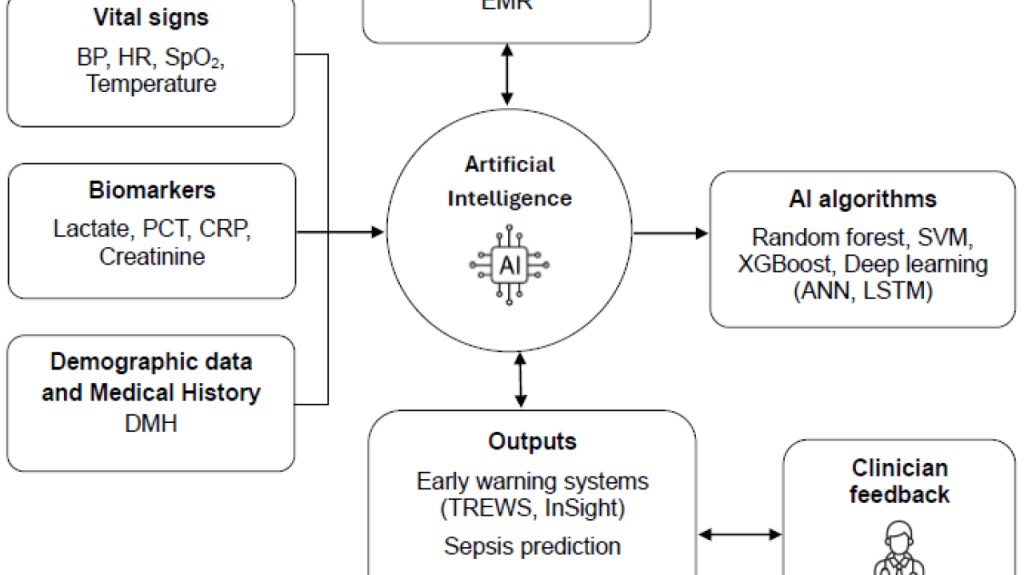
The Potential of Artificial Intelligence in the Diagnosis and Prognosis of Sepsis: A Narrative Review

Abstract Sepsis, one of the leading causes of ICU mortality worldwide, remains a diagnostic and therapeutic challenge due to its nonspecific presentation and rapidly evolving course. In this narrative review, Tocu and colleagues explore the emerging role of artificial intelligence (AI) in diagnosing and predicting sepsis. Drawing from 45 studies between 2016 and 2024, the […]
,

The Potential of Artificial Intelligence in the Diagnosis and Prognosis of Sepsis: A Narrative Review Read Post »

Circulatory, Respiratory

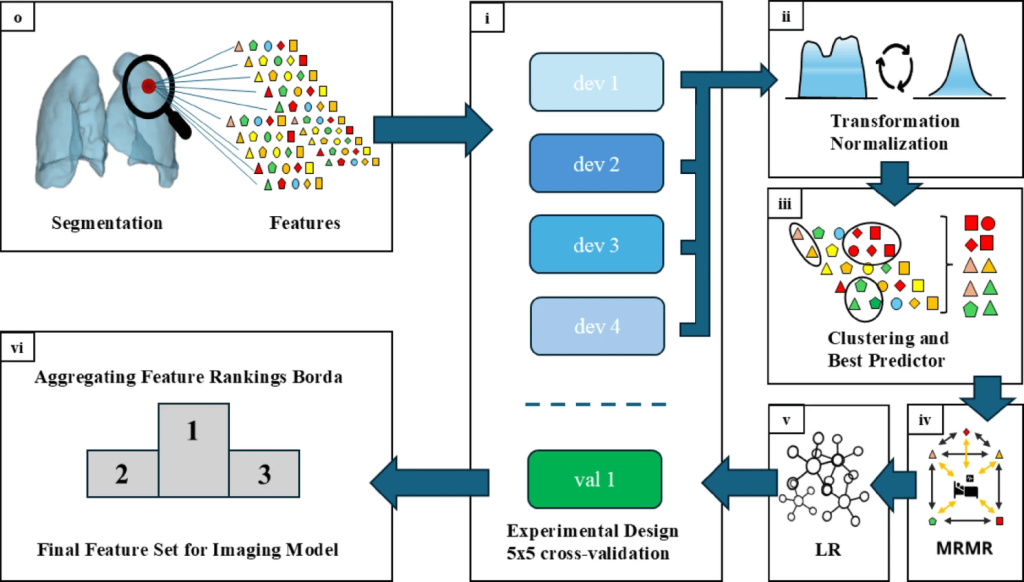
Radiomics-enhanced modelling approach for predicting the need for ECMO in ARDS patients: a retrospective cohort study

Predicting ECMO Before It’s Too Late: When Radiomics Meets Critical Care 🩺 Abstract The decision to initiate ECMO in patients with severe ARDS remains one of the most challenging and time-sensitive in critical care. In this retrospective cohort of 375 adults with COVID-19–associated ARDS, researchers from Germany explored whether combining quantitative CT radiomics with clinical

, , ,

Radiomics-enhanced modelling approach for predicting the need for ECMO in ARDS patients: a retrospective cohort study Read Post »

Renal

Renal replacement therapy

Abstract: The approach to renal replacement therapy (RRT) in critically ill patients has evolved from early, empirical use to more individualized, evidence-based practice. Large randomized controlled trials (RCTs) now support delayed initiation unless urgent complications arise, and new data inform decisions on modality, dose, and discontinuation. This review summarizes the key updates and current standards

,

Renal replacement therapy Read Post »

Circulatory, Respiratory

Extracorporeal membrane oxygenation (ECMO) and beyond in near fatal asthma: A comprehensive review

Extracorporeal Membrane Oxygenation (ECMO) and Beyond in Near-Fatal Asthma Abstract: Near-fatal asthma (NFA) is a life-threatening condition that sometimes proves refractory to conventional therapies, including mechanical ventilation. This comprehensive review examines the role of extracorporeal membrane oxygenation (ECMO) and extracorporeal CO₂ removal (ECCO₂R) as rescue therapies in NFA. It synthesizes registry data, observational studies, and

, ,

Extracorporeal membrane oxygenation (ECMO) and beyond in near fatal asthma: A comprehensive review Read Post »

Miscellaneous

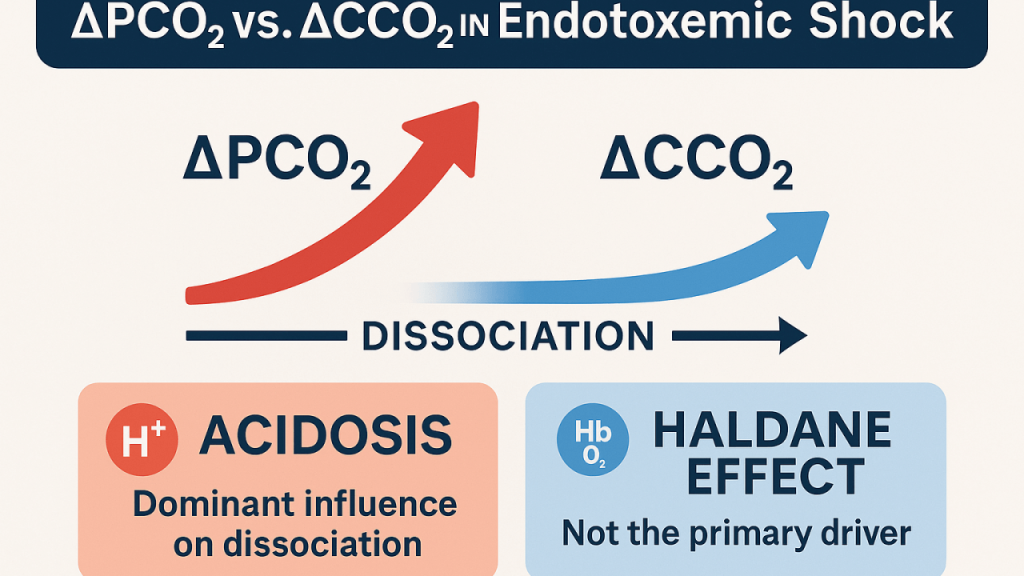
Regional venous-to-arterial carbon dioxide pressure and content differences during endotoxemic shock: influence of hydrogen ion accumulation vs…..

Abstract: This study investigated whether discrepancies between venous-to-arterial carbon dioxide pressure (ΔPCO₂) and content differences (ΔCCO₂) during endotoxemic shock are primarily influenced by hydrogen ion accumulation (acidosis) or hemoglobin oxygen saturation (Haldane effect). Using a porcine endotoxemia model, researchers induced and resuscitated shock with fluids and norepinephrine, measuring systemic and mesenteric CO₂ parameters. Key Insights:

,

Regional venous-to-arterial carbon dioxide pressure and content differences during endotoxemic shock: influence of hydrogen ion accumulation vs….. Read Post »

Neurology

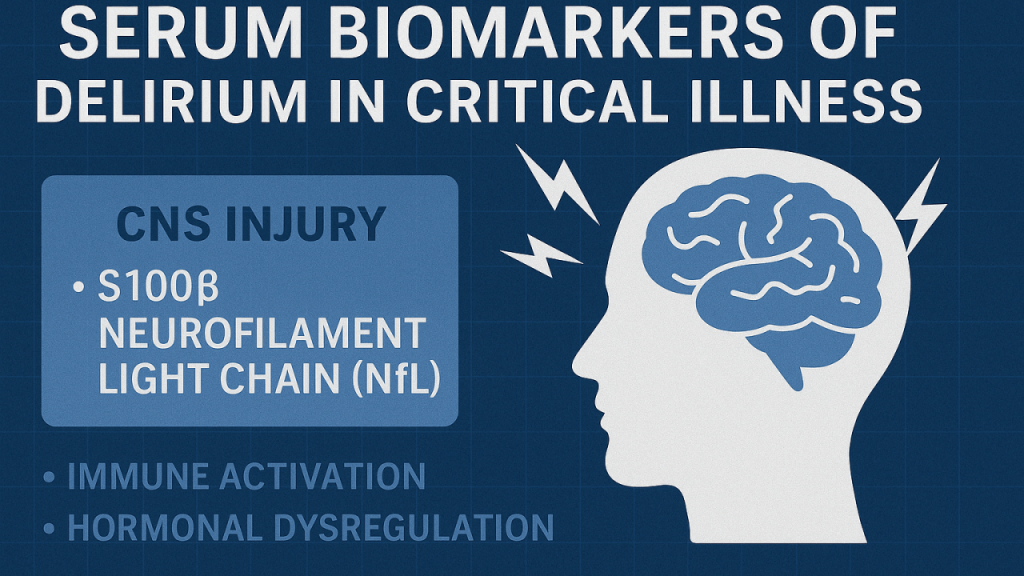
Serum biomarkers of delirium in critical illness: a systematic review of mechanistic and diagnostic evidence

Serum Biomarkers of Delirium in Critical Illness Abstract: Delirium is a frequent and serious complication of critical illness, with up to 80% of ventilated ICU patients affected. This systematic review synthesized evidence from 28 studies assessing 54 serum biomarkers related to delirium, grouped into six mechanistic categories: CNS injury, immune activation, hormonal dysregulation, neurotransmission, coagulation,

, ,

Serum biomarkers of delirium in critical illness: a systematic review of mechanistic and diagnostic evidence Read Post »

Respiratory

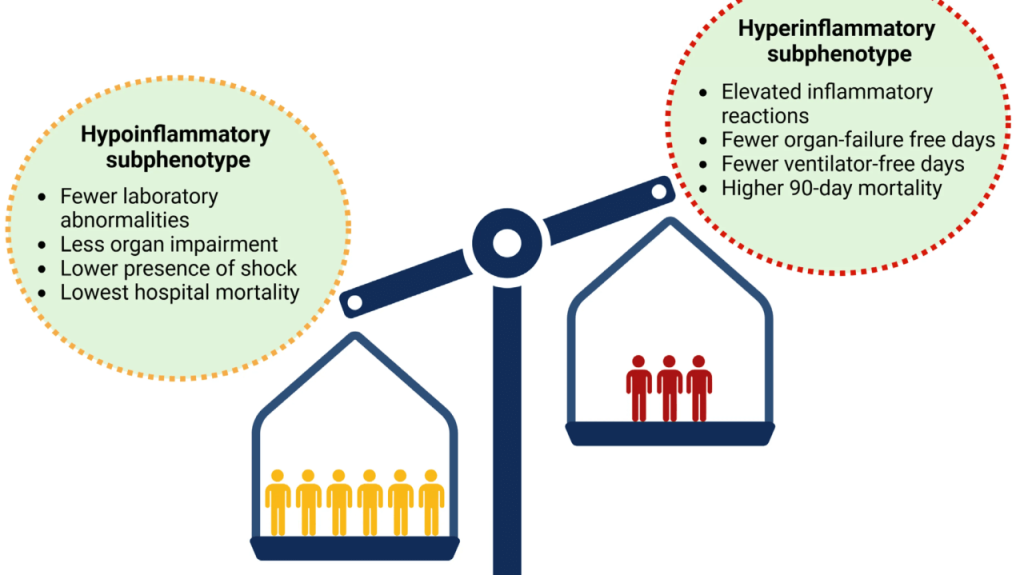
Acute Respiratory Distress Syndrome: Pathophysiological Insights, Subphenotypes, and Clinical Implications—A Comprehensive Review

ARDS: Pathophysiological Insights, Subphenotypes, and Precision Medicine Abstract: ARDS is a syndrome of hypoxemic respiratory failure caused by alveolo-capillary barrier dysfunction, dysregulated inflammation, and mechanical injury. Despite 60 years of research, mortality remains near 40%. The heterogeneity of ARDS has driven interest in subphenotypes—biological, clinical, physiological, and radiographic—that may explain variable responses to therapies. This

, ,

Acute Respiratory Distress Syndrome: Pathophysiological Insights, Subphenotypes, and Clinical Implications—A Comprehensive Review Read Post »

Respiratory

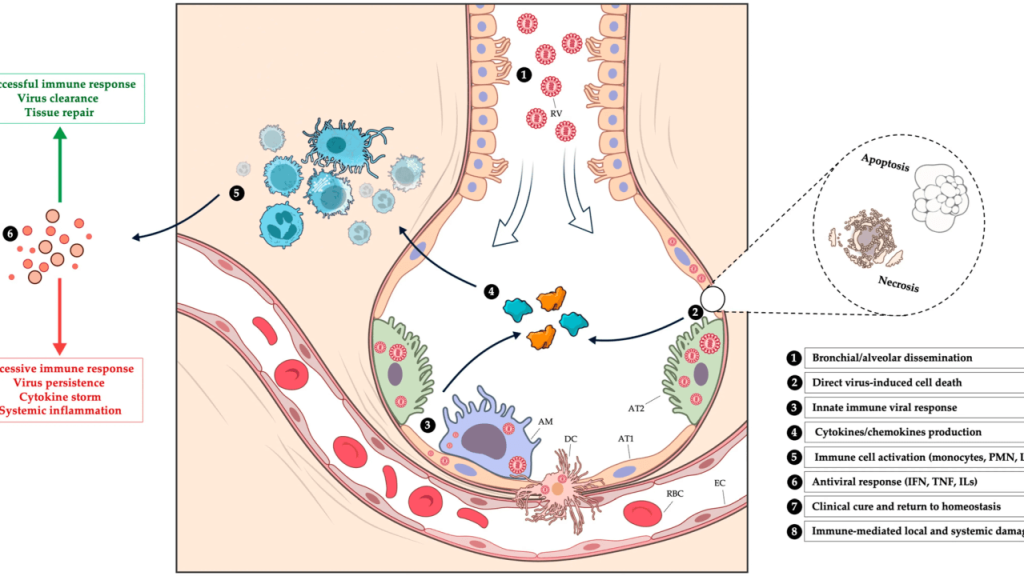
Role of Respiratory Viruses in Severe Acute Respiratory Failure

 The Role of Respiratory Viruses in Severe Acute Respiratory Failure Abstract: Respiratory viruses contribute substantially to severe acute respiratory failure (ARF) and ICU admissions. With the widespread use of multiplex PCR (mPCR), viruses are now identified in up to 30–40% of community-acquired pneumonia (CAP) cases. Influenza viruses and Pneumoviridae (RSV, hMPV) are the leading culprits,

, , ,

Role of Respiratory Viruses in Severe Acute Respiratory Failure Read Post »

Pulmonary, Respiratory, Sepsis

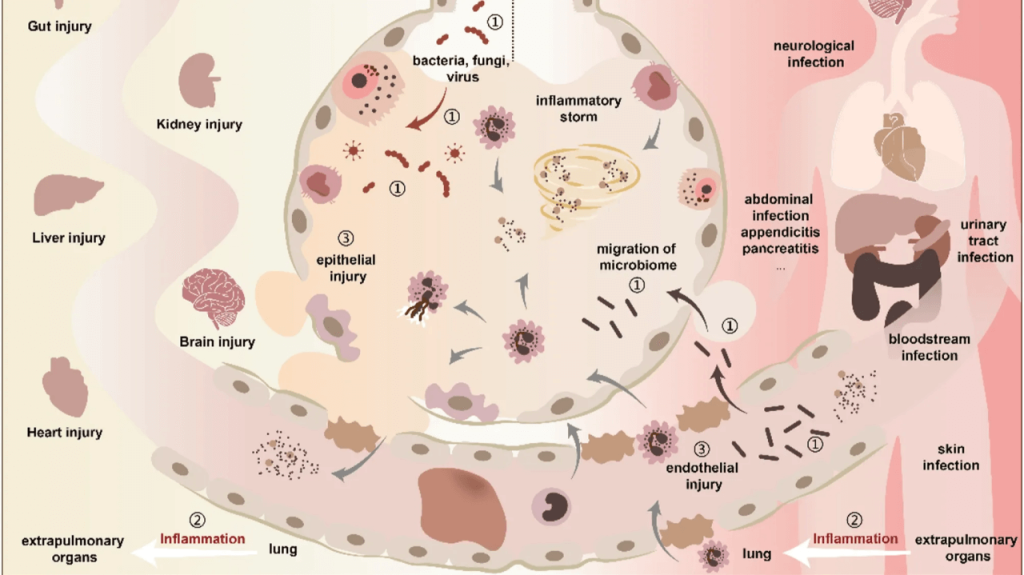
Crosstalk between lung and extrapulmonary organs in sepsis-related acute lung injury/acute respiratory distress syndrome

Organ Crosstalk in Sepsis-Related ALI/ARDS: New Insights into Lung–System Interactions Abstract: Sepsis-related ALI/ARDS remains highly lethal (>30% mortality), and most research has historically focused only on the lung. This review highlights organ crosstalk as a central mechanism in sepsis pathophysiology. The authors differentiate pulmonary sepsis-associated ALI/ARDS (PSA) from extrapulmonary sepsis-associated ALI/ARDS (ESA), outline systemic inflammation,

, , ,

Crosstalk between lung and extrapulmonary organs in sepsis-related acute lung injury/acute respiratory distress syndrome Read Post »

Mechanical Ventilation

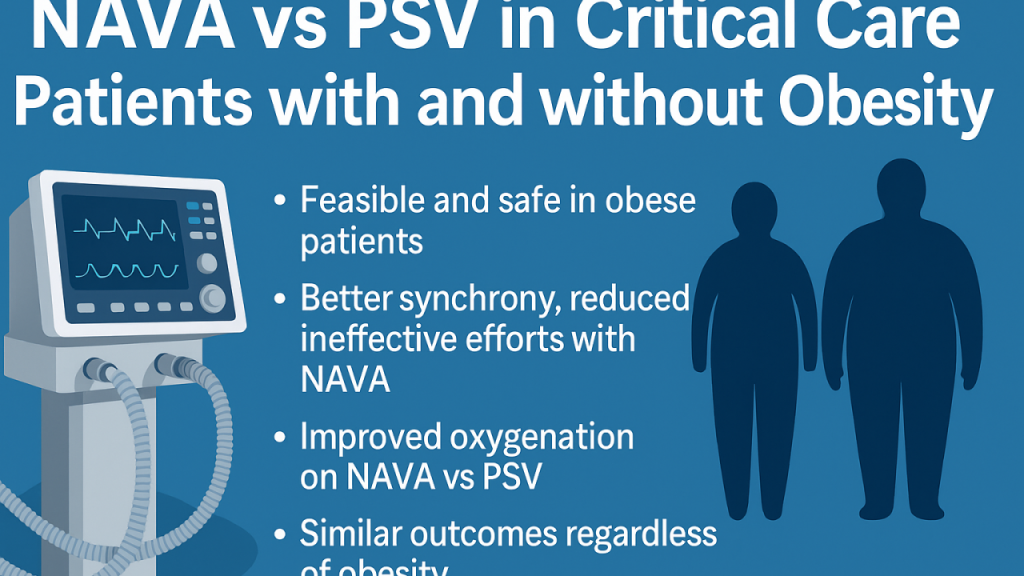
Neurally adjusted ventilatory assist in critical care patients with and without obesity: a prospective randomized crossover study

NAVA vs PSV in Obese ICU Patients: First Evidence of Safety and Benefit Abstract: This randomized crossover study is the first to test Neurally Adjusted Ventilatory Assist (NAVA) in critically ill obese patients. Twenty-one ventilated patients (10 obese, 11 non-obese) underwent 30 minutes of NAVA and PSV each. Researchers assessed safety, patient-ventilator synchrony, oxygenation, and

, ,

Neurally adjusted ventilatory assist in critical care patients with and without obesity: a prospective randomized crossover study Read Post »

Scroll to Top