pneumonia

Pharmacological Insights in Critical Care

Corticosteroids and hospital-acquired pneumonia

1. Why This Article Matters — Why You Should Read This Corticosteroids are everywhere in critical care. ARDS. Septic shock. COVID-19. Refractory hypoxemia. But when it comes to hospital-acquired pneumonia (HAP) and ventilator-associated pneumonia (VAP), their role remains controversial, inconsistently applied, and poorly understood. This narrative review tackles a clinically uncomfortable reality: While steroids may […]

, ,

Corticosteroids and hospital-acquired pneumonia Read Post »
Respiratory

Role of Respiratory Viruses in Severe Acute Respiratory Failure

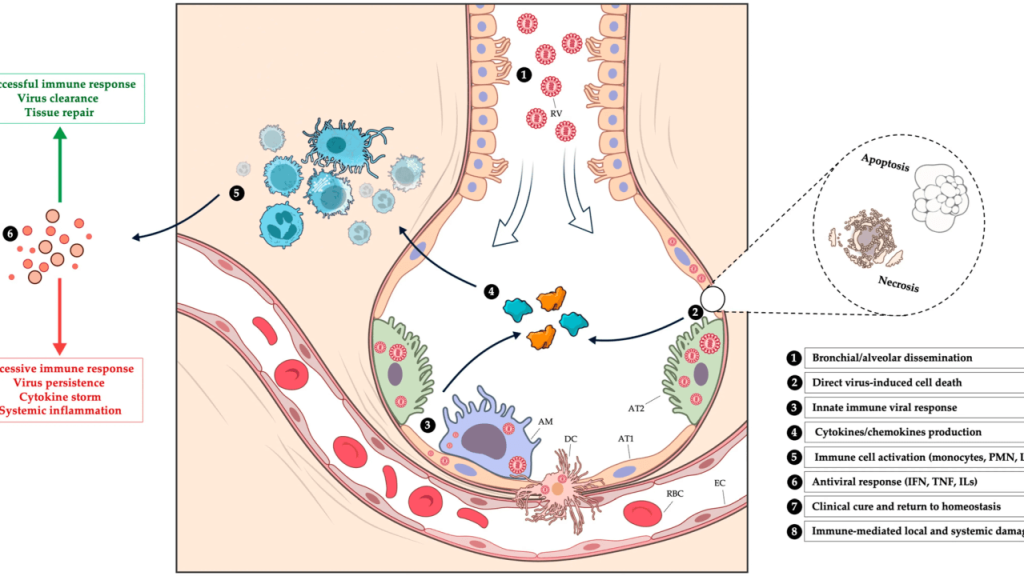
 The Role of Respiratory Viruses in Severe Acute Respiratory Failure Abstract: Respiratory viruses contribute substantially to severe acute respiratory failure (ARF) and ICU admissions. With the widespread use of multiplex PCR (mPCR), viruses are now identified in up to 30–40% of community-acquired pneumonia (CAP) cases. Influenza viruses and Pneumoviridae (RSV, hMPV) are the leading culprits,

, , ,

Role of Respiratory Viruses in Severe Acute Respiratory Failure Read Post »

Respiratory

Ventilator-associated pneumonia: mechanisms, an appraisal of current therapies and the role for inhaled antibiotics in prevention and treatment

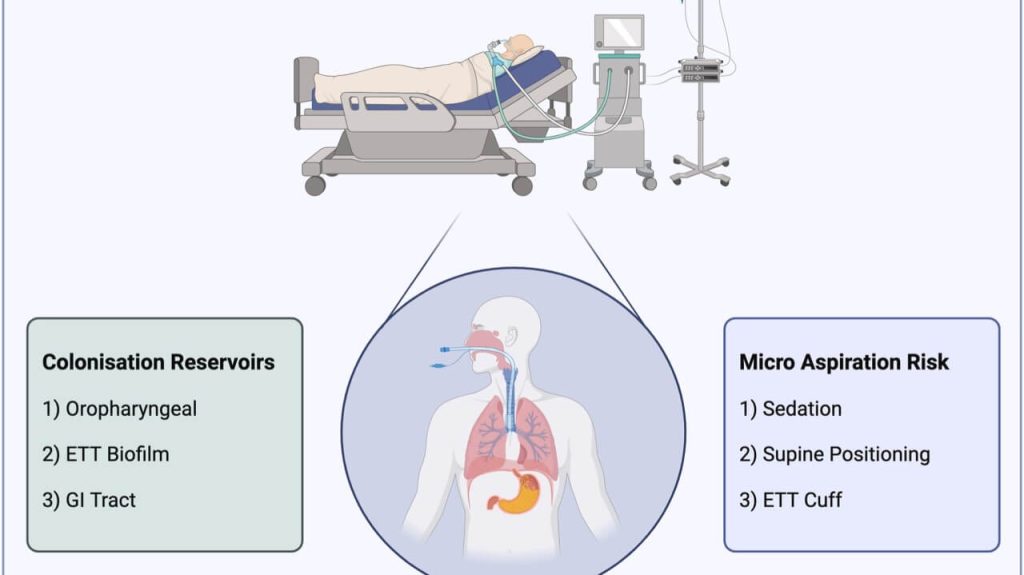
Summary Ventilator-associated pneumonia (VAP), the most common healthcare-associated infection in the ICU, significantly increases healthcare costs and negatively impacts patient outcomes. The review outlines complex VAP pathophysiology, involving abnormal microbiota colonization and micro-aspiration associated with mechanical ventilation. Traditional intravenous antibiotic therapies face challenges such as systemic complications and antibiotic resistance, while inhaled antibiotics offer a

, , , ,

Ventilator-associated pneumonia: mechanisms, an appraisal of current therapies and the role for inhaled antibiotics in prevention and treatment Read Post »

Pulmonary

How to approach a patient hospitalized for pneumonia who is not responding to treatment?

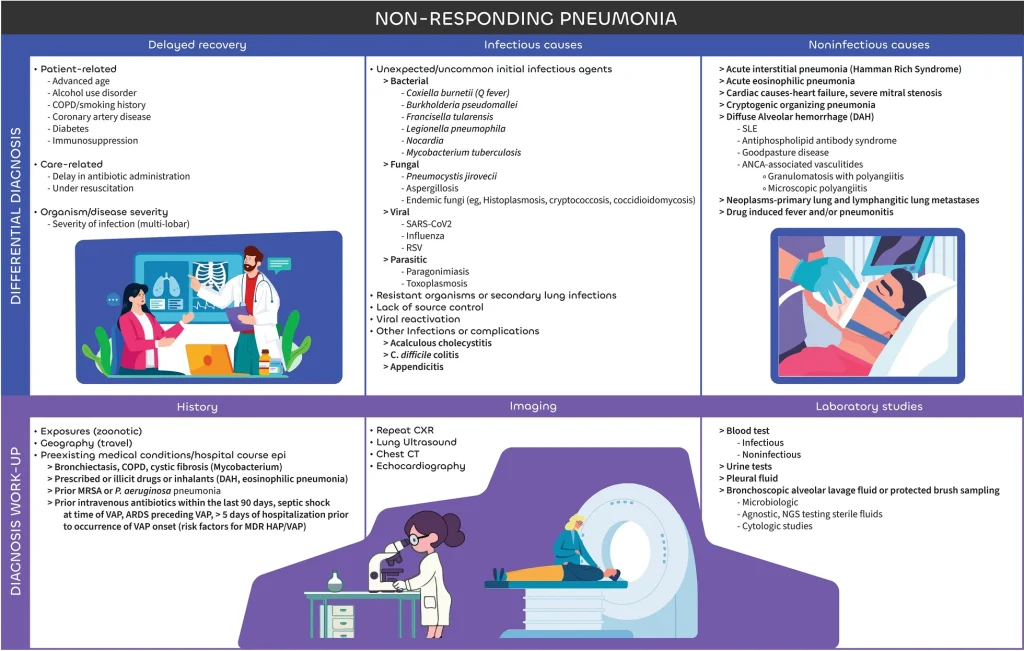
Summary of “How to Approach a Patient Hospitalized for Pneumonia Who is Not Responding to Treatment?” (Povoa et al.) Abstract Summary: Povoa et al. provide a structured approach for clinicians managing patients hospitalized for pneumonia who do not respond adequately to initial antibiotic therapy. Non-response, defined as persistent or worsening clinical signs after 48-72 hours,

How to approach a patient hospitalized for pneumonia who is not responding to treatment? Read Post »

Respiratory

Inhaled antibiotics for treating pneumonia in invasively ventilated patients in intensive care unit: a meta-analysis of randomized clinical trials with trial sequential analysis

Abstract Background The use of inhaled antibiotics for treating pneumonia in invasively ventilated patients offers a direct approach, allowing for high local concentrations of the drug in the lower respiratory tract while simultaneously reducing systemic toxicity. However, the real efficacy and safety of nebulized antibiotics remain unclear. The aim of the present is to assess

, , , , , ,

Inhaled antibiotics for treating pneumonia in invasively ventilated patients in intensive care unit: a meta-analysis of randomized clinical trials with trial sequential analysis Read Post »

Uncategorized

D-PRISM: a global survey-based study to assess diagnostic and treatment approaches in pneumonia managed in intensive care

Abstract Background Pneumonia remains a significant global health concern, particularly among those requiring admission to the intensive care unit (ICU). Despite the availability of international guidelines, there remains heterogeneity in clinical management. The D-PRISM study aimed to develop a global overview of how pneumonias (i.e., community-acquired (CAP), hospital-acquired (HAP), and Ventilator-associated pneumonia (VAP)) are diagnosed

, , ,

D-PRISM: a global survey-based study to assess diagnostic and treatment approaches in pneumonia managed in intensive care Read Post »

Scroll to Top