Pulmonary

Pulmonary, Respiratory, Sepsis

Crosstalk between lung and extrapulmonary organs in sepsis-related acute lung injury/acute respiratory distress syndrome

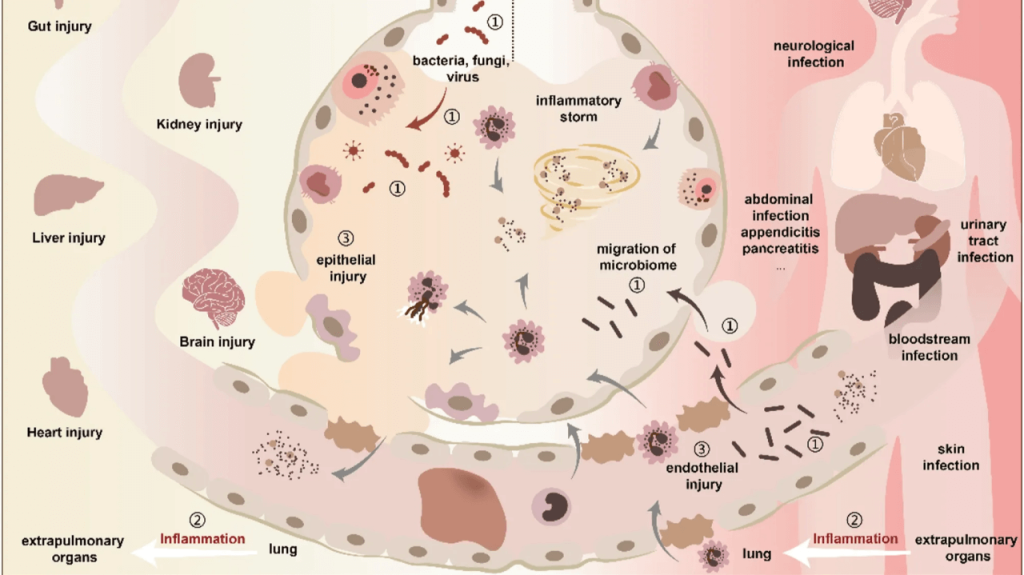
Organ Crosstalk in Sepsis-Related ALI/ARDS: New Insights into Lung–System Interactions Abstract: Sepsis-related ALI/ARDS remains highly lethal (>30% mortality), and most research has historically focused only on the lung. This review highlights organ crosstalk as a central mechanism in sepsis pathophysiology. The authors differentiate pulmonary sepsis-associated ALI/ARDS (PSA) from extrapulmonary sepsis-associated ALI/ARDS (ESA), outline systemic inflammation, […]

, , ,

Crosstalk between lung and extrapulmonary organs in sepsis-related acute lung injury/acute respiratory distress syndrome Read Post »

Pulmonary

Non-mechanical haemodynamic support in acute pulmonary thromboembolism: a scoping review

Abstract: This scoping review maps all non-mechanical haemodynamic support used in acute pulmonary embolism (PE) while definitive clot-reducing therapy is pursued. Across animal studies, case series, observational cohorts, trials, and reviews, the authors catalogue vasopressors, inotropes, fluids, and pulmonary vasodilators. Evidence is heterogeneous and mostly low-quality; some agents improve physiological surrogates (CO, PVR, RV function),

Non-mechanical haemodynamic support in acute pulmonary thromboembolism: a scoping review Read Post »

Pulmonary

Pulmonary shunt in critical care: a practical approach with clinical scenarios

Abstract: Raimondi Cominesi et al. deliver an extensive review on pulmonary shunt, a critical physiological phenomenon where venous blood bypasses alveolar gas exchange, leading to impaired oxygenation. The authors provide practical methods to assess and calculate pulmonary shunt in various critical care scenarios, highlighting its clinical importance, especially in complex conditions such as acute respiratory

,

Pulmonary shunt in critical care: a practical approach with clinical scenarios Read Post »

Pulmonary

Respiratory management of critically ill pneumocystis pneumonia patients: a multicenter retrospective study

🫁 Respiratory Management of Critically Ill Pneumocystis Pneumonia Patients Reizine F, Stiegler V, Lécuyer R, Tessoulin B, Gallais M, Camou F, Morio F, Cady A, Gabriel F, Canet E, Raffi F, Boutoille D, Issa N, Gaborit B, and the PRONOCYSTIS Study Group. Ann Intensive Care. 2025;15:114. doi:10.1186/s13613-025-01503-6 Abstract: Pneumocystis jirovecii pneumonia (PjP) is an emerging

Respiratory management of critically ill pneumocystis pneumonia patients: a multicenter retrospective study Read Post »

Pulmonary

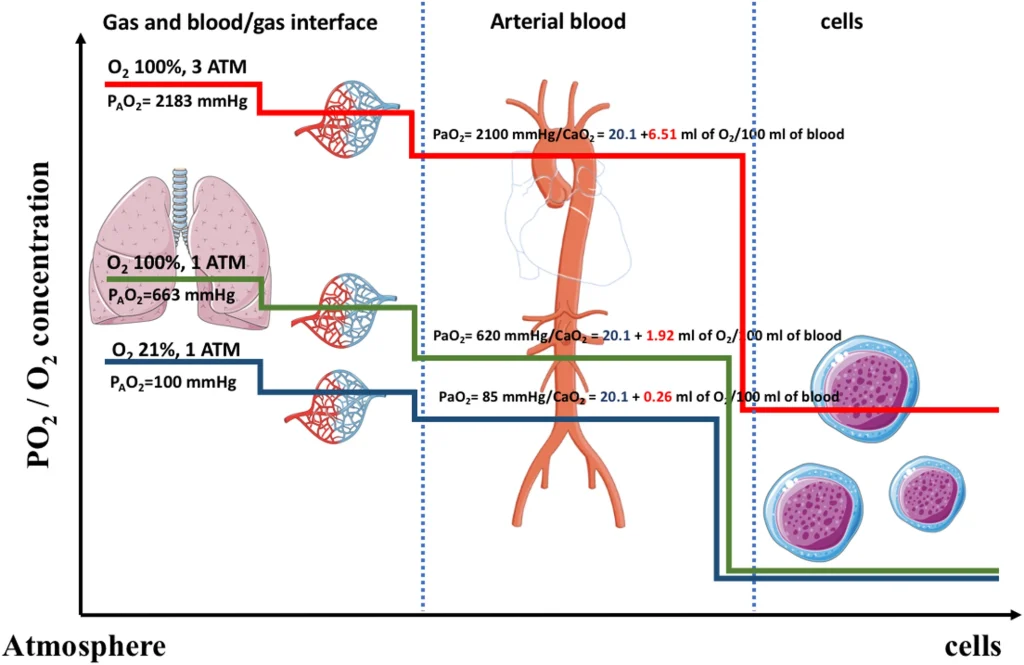
Hyperoxia and acute brain injury

🧠 Hyperoxia in Acute Brain Injury: Friend or Foe? Abstract: This commentary responds to Romero-García et al.’s meta-analysis linking arterial hyperoxemia (PaO₂ elevation) to worse neurological outcomes in acute brain injury (ABI). The authors argue that equating hyperoxemia with cellular hyperoxia and oxidative injury is an oversimplification. Physiological evidence shows that oxygen transport is constrained

,

Hyperoxia and acute brain injury Read Post »

Pulmonary

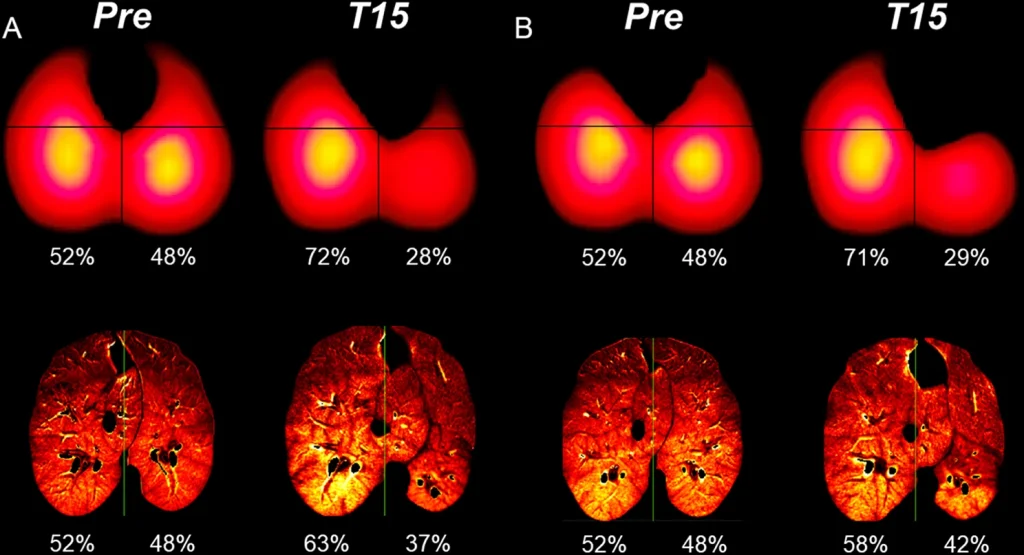
First real-time imaging of bronchoscopic lung volume reduction by electrical impedance tomography

Summary: “First real-time imaging of bronchoscopic lung volume reduction by electrical impedance tomography” Abstract Summary: This study investigated the real-time effects of inspired oxygen fraction (FIO₂) on regional lung volumes and ventilation/perfusion during bronchoscopic lung volume reduction (BLVR) using endobronchial valves (EBVs), utilizing electrical impedance tomography (EIT). The findings demonstrate that higher FIO₂ significantly accelerates

,

First real-time imaging of bronchoscopic lung volume reduction by electrical impedance tomography Read Post »

Pulmonary

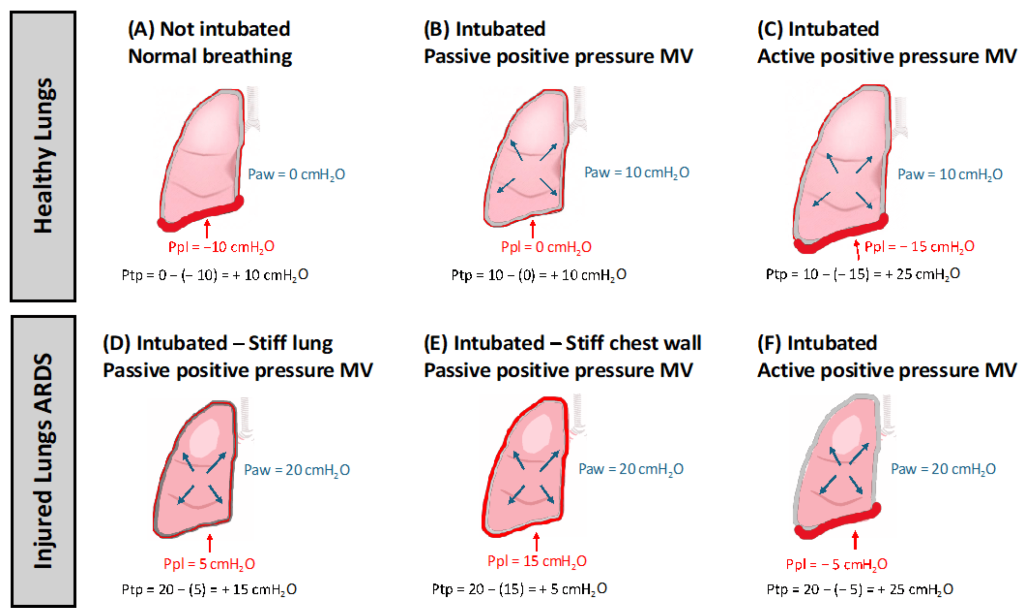
Ventilator-Induced Lung Injury: The Unseen Challenge in Acute Respiratory Distress Syndrome Management

Summary of “Ventilator-Induced Lung Injury: The Unseen Challenge in Acute Respiratory Distress Syndrome Management” (Merola et al.) Abstract Summary: Merola et al. comprehensively review ventilator-induced lung injury (VILI) within acute respiratory distress syndrome (ARDS) management, underscoring the complex interplay of pathophysiological mechanisms. The authors discuss traditional and emerging concepts such as volutrauma, barotrauma, atelectrauma, biotrauma,

,

Ventilator-Induced Lung Injury: The Unseen Challenge in Acute Respiratory Distress Syndrome Management Read Post »

Pulmonary

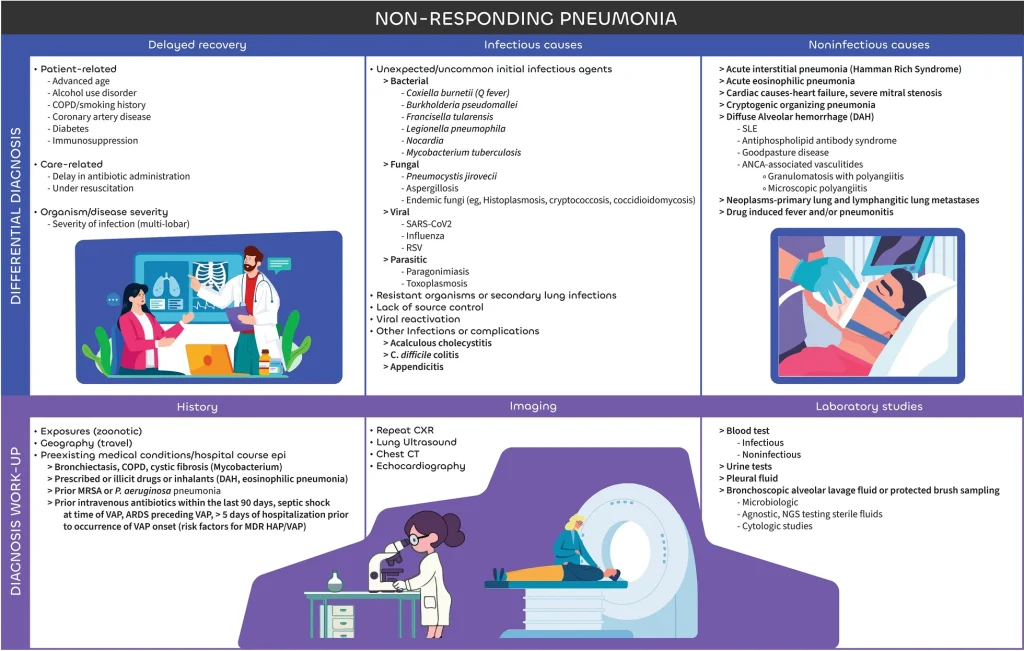
How to approach a patient hospitalized for pneumonia who is not responding to treatment?

Summary of “How to Approach a Patient Hospitalized for Pneumonia Who is Not Responding to Treatment?” (Povoa et al.) Abstract Summary: Povoa et al. provide a structured approach for clinicians managing patients hospitalized for pneumonia who do not respond adequately to initial antibiotic therapy. Non-response, defined as persistent or worsening clinical signs after 48-72 hours,

How to approach a patient hospitalized for pneumonia who is not responding to treatment? Read Post »

Pulmonary, Respiratory

Fluid management strategies in critically ill patients with ARDS: a narrative review

Summary of “Fluid management strategies in critically ill patients with ARDS: a narrative review” (Ziaka and Exadaktylos) Abstract Summary: Ziaka and Exadaktylos comprehensively review fluid management strategies in patients with acute respiratory distress syndrome (ARDS), underscoring the delicate balance required between hypervolemia risks (lung edema, cardiopulmonary complications, and prolonged ventilatory support) and hypovolemia risks (acute

,

Fluid management strategies in critically ill patients with ARDS: a narrative review Read Post »

Pulmonary

Deep insight into cytokine storm: from pathogenesis to treatment

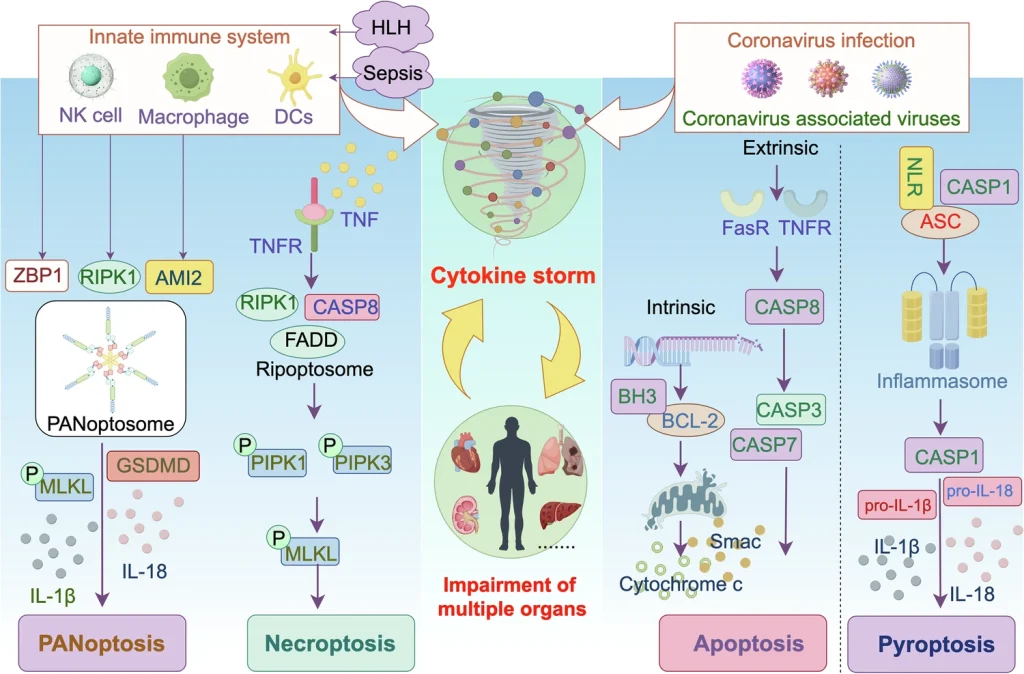
Summary of Deep Insight into Cytokine Storm: From Pathogenesis to Treatment (Nie et al.) Abstract Summary: Nie et al. provide a comprehensive review on cytokine storm (CS), a severe systemic inflammatory syndrome characterized by excessive immune cell activation and elevated cytokine levels. This paper highlights key signaling pathways involved, associated immune cells, targeted organ damage,

Deep insight into cytokine storm: from pathogenesis to treatment Read Post »

Scroll to Top