ARDS management

Respiratory

Acute Respiratory Distress Syndrome: Pathophysiological Insights, Subphenotypes, and Clinical Implications—A Comprehensive Review

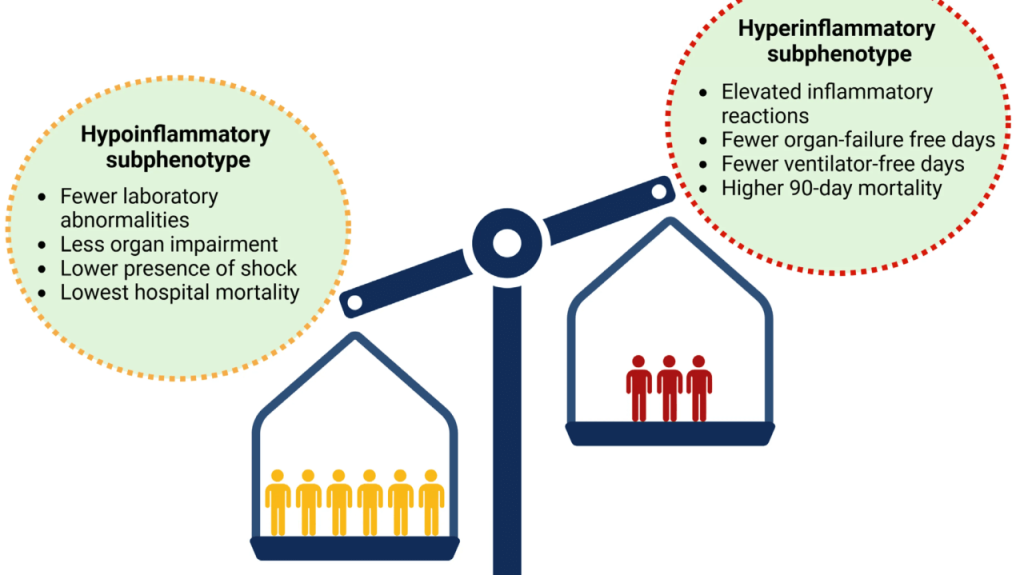
ARDS: Pathophysiological Insights, Subphenotypes, and Precision Medicine Abstract: ARDS is a syndrome of hypoxemic respiratory failure caused by alveolo-capillary barrier dysfunction, dysregulated inflammation, and mechanical injury. Despite 60 years of research, mortality remains near 40%. The heterogeneity of ARDS has driven interest in subphenotypes—biological, clinical, physiological, and radiographic—that may explain variable responses to therapies. This […]
, ,

Acute Respiratory Distress Syndrome: Pathophysiological Insights, Subphenotypes, and Clinical Implications—A Comprehensive Review Read Post »

Mechanical Ventilation, Respiratory

Assessment of recruitment from CT to the bedside: challenges and future directions

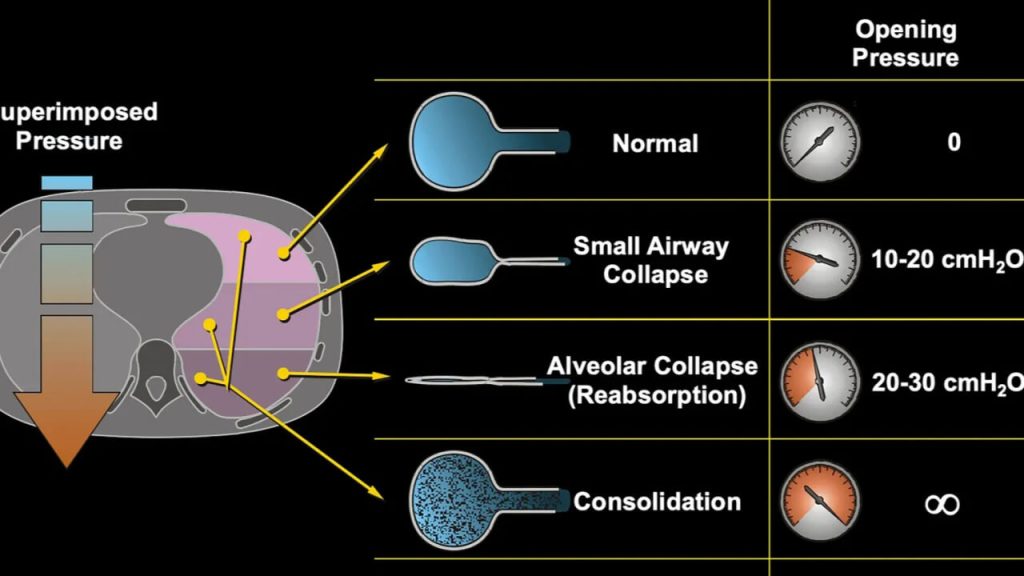
Abstract Assessing and quantifying recruitability are important for characterizing ARDS severity and for reducing or preventing the atelectrauma caused by the cyclic opening and closing of pulmonary units. Over the years, several methods for recruitment assessment have been developed, grouped into three main approaches: 1) Quantitative CT Scanning: This method accurately measures the amount of

, , , , , , ,

Assessment of recruitment from CT to the bedside: challenges and future directions Read Post »

Respiratory

Impact of airway closure and lung collapse on inhaled nitric oxide effect in acute lung injury: an experimental study

Abstract Background Efficacy of inhaled therapy such as Nitric Oxide (iNO) during mechanical ventilation may depend on airway patency. We hypothesized that airway closure and lung collapse, countered by positive end-expiratory pressure (PEEP), influence iNO efficacy. This could support the role of an adequate PEEP titration for inhalation therapy. The main aim of this study

, , , ,

Impact of airway closure and lung collapse on inhaled nitric oxide effect in acute lung injury: an experimental study Read Post »

Respiratory

Challenges in Transitioning from Controlled to Assisted Ventilation in Acute Respiratory Distress Syndrome (ARDS) Management

Abstract Acute respiratory distress syndrome (ARDS) presents significant challenges in critical care, primarily due to its inflammatory nature, which leads to impaired gas exchange and respiratory mechanics. While mechanical ventilation (MV) is essential for patient support, the transition from controlled to assisted ventilation is complex and may be associated with intensive care unit-acquired weakness, ventilator-induced

, ,

Challenges in Transitioning from Controlled to Assisted Ventilation in Acute Respiratory Distress Syndrome (ARDS) Management Read Post »

Respiratory

Gattinoni’s Legacy: Personalizing ARDS Management Through Physiology

While writing this editorial, we learned that Professor Luciano Gattinoni—a giant in our field—had passed away. “Giant” seems an inadequate descriptor for a physician-scientist whose profound insights have fundamentally reshaped our understanding of critical care in general, and of acute respiratory distress syndrome (ARDS) in particular. His enduring legacy will continue to impact researchers, clinicians,

, ,

Gattinoni’s Legacy: Personalizing ARDS Management Through Physiology Read Post »

Scroll to Top