ARDS

Respiratory

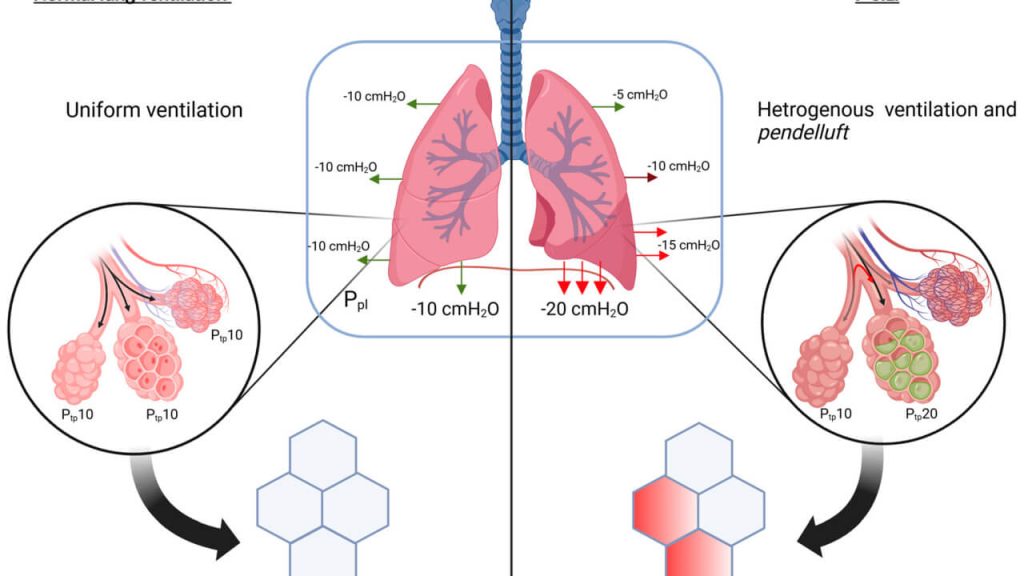
Patient-Self Inflicted Lung Injury (P-SILI): An Insight into the Pathophysiology of Lung Injury and Management

Abstract Acute respiratory distress syndrome (ARDS) is a heterogeneous group of disease entities that are associated with acute hypoxic respiratory failure and significant morbidity and mortality. With a better understanding and phenotyping of lung injury, novel pathophysiologic mechanisms demonstrate the impact of a patient’s excessive spontaneous breathing effort on perpetuating lung injury. Patient self-inflicted lung […]
, , ,

Patient-Self Inflicted Lung Injury (P-SILI): An Insight into the Pathophysiology of Lung Injury and Management Read Post »

Respiratory

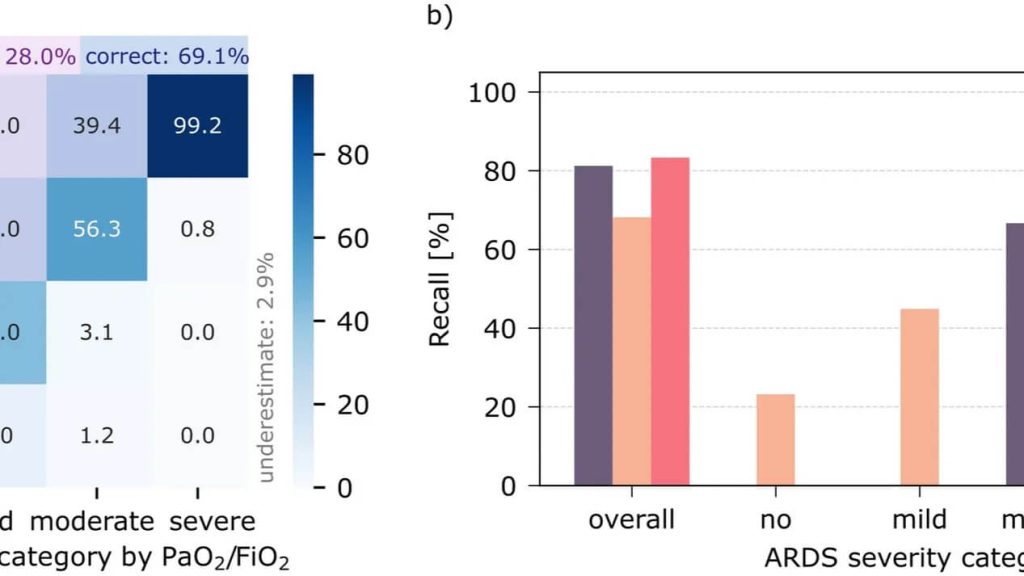
Limitations of SpO2 / FiO2-ratio for classification and monitoring of acute respiratory distress syndrome—an observational cohort study

Abstract Background The ratio of pulse-oximetric peripheral oxygen saturation to fraction of inspired oxygen (SpO2/FiO2) has been proposed as additional hypoxemia criterion in a new global definition of acute respiratory distress syndrome (ARDS). This study aims to evaluate the clinical and theoretical limitations of the SpO2/FiO2-ratio when using it to classify patients with ARDS and

, , ,

Limitations of SpO2 / FiO2-ratio for classification and monitoring of acute respiratory distress syndrome—an observational cohort study Read Post »

Respiratory

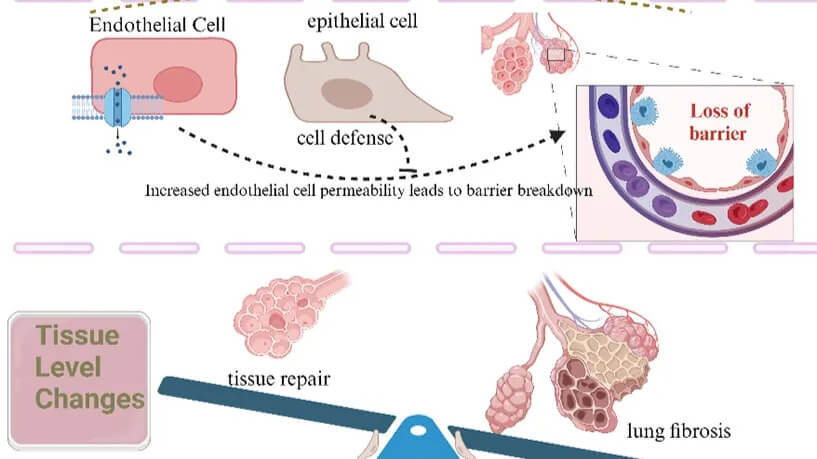
Pathophysiological mechanisms of ARDS: a narrative review from molecular to organ-level perspectives

Abstract Background Acute respiratory distress syndrome (ARDS) remains a life-threatening pulmonary condition with persistently high mortality rates despite significant advancements in supportive care. Its complex pathophysiology involves an intricate interplay of molecular and cellular processes, including cytokine storms, oxidative stress, programmed cell death, and disruption of the alveolar-capillary barrier. These mechanisms drive localized lung injury

,

Pathophysiological mechanisms of ARDS: a narrative review from molecular to organ-level perspectives Read Post »

Respiratory

Understanding Pulmonary Stress-Strain Relationships in Severe ARDS and Its Implications for Designing a Safer Approach to Setting the Ventilator

Abstract This review describes the current understanding of the lungs’ response to deforming stress under conditions of both normal physiology and acute lung injury. Several limiting assumptions are needed to infer lung parenchymal stress and strain from airway pressure, volume, and flow data from mechanically ventilated patients with injured lungs. These assumptions include the effects

, , ,

Understanding Pulmonary Stress-Strain Relationships in Severe ARDS and Its Implications for Designing a Safer Approach to Setting the Ventilator Read Post »

Mechanical Ventilation, Respiratory

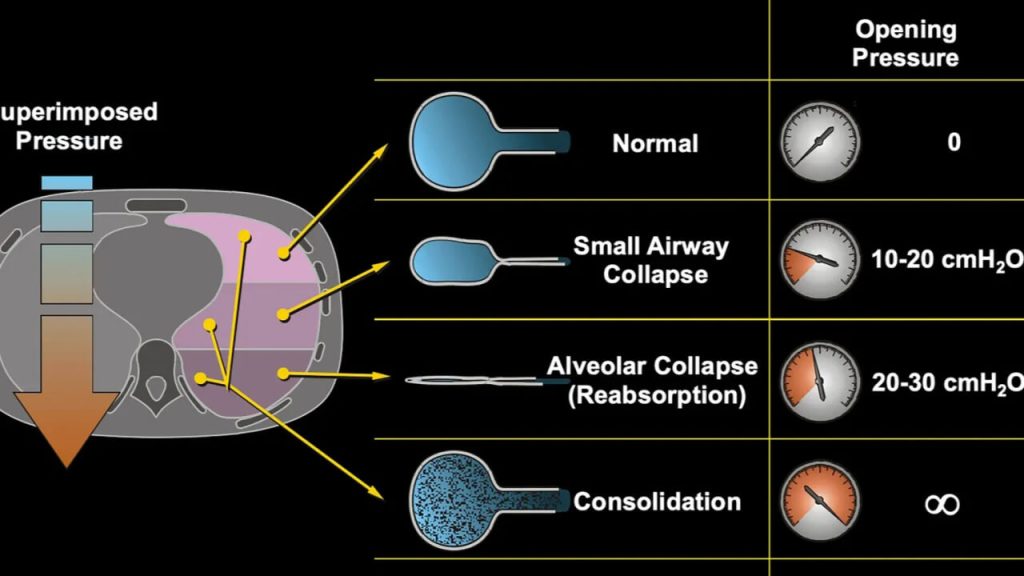
Assessment of recruitment from CT to the bedside: challenges and future directions

Abstract Assessing and quantifying recruitability are important for characterizing ARDS severity and for reducing or preventing the atelectrauma caused by the cyclic opening and closing of pulmonary units. Over the years, several methods for recruitment assessment have been developed, grouped into three main approaches: 1) Quantitative CT Scanning: This method accurately measures the amount of

, , , , , , ,

Assessment of recruitment from CT to the bedside: challenges and future directions Read Post »

Respiratory

Impact of airway closure and lung collapse on inhaled nitric oxide effect in acute lung injury: an experimental study

Abstract Background Efficacy of inhaled therapy such as Nitric Oxide (iNO) during mechanical ventilation may depend on airway patency. We hypothesized that airway closure and lung collapse, countered by positive end-expiratory pressure (PEEP), influence iNO efficacy. This could support the role of an adequate PEEP titration for inhalation therapy. The main aim of this study

, , , ,

Impact of airway closure and lung collapse on inhaled nitric oxide effect in acute lung injury: an experimental study Read Post »

Respiratory

Hemodynamic Implications of Prone Positioning in Patients with ARDS

Abstract This review investigates the hemodynamic effects of prone positioning in patients with acute respiratory distress syndrome (ARDS). It highlights how prone positioning influences venous return, right ventricular (RV) and left ventricular (LV) preload, and afterload. Additionally, it evaluates techniques for detecting fluid responsiveness during prone positioning, essential for optimizing fluid therapy and overall patient

, ,

Hemodynamic Implications of Prone Positioning in Patients with ARDS Read Post »

Uncategorized

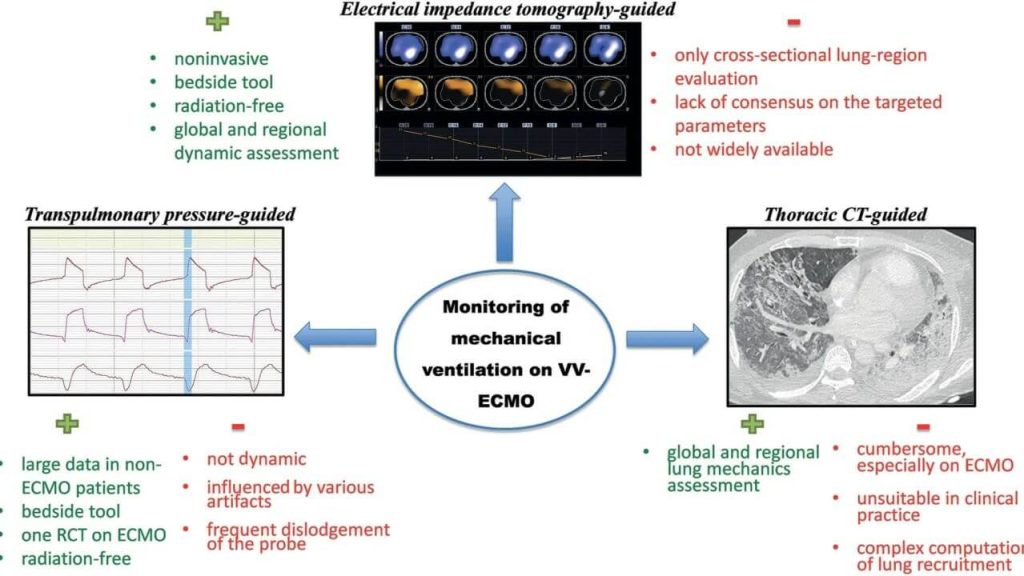
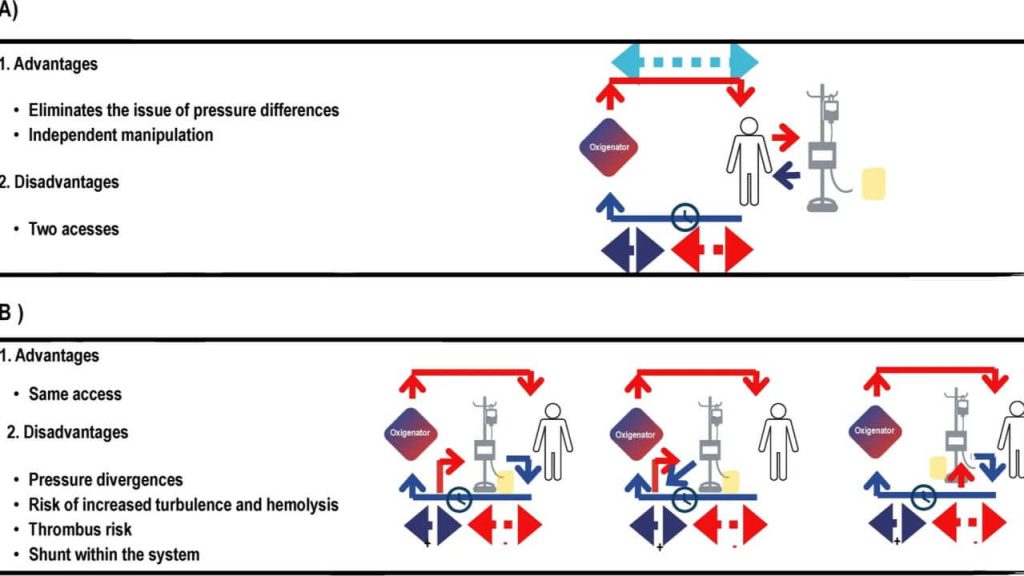
Setting and Monitoring of Mechanical Ventilation During Venovenous ECMO

Abstract This review provides insights into the management of mechanical ventilation during venovenous extracorporeal membrane oxygenation (VV-ECMO) for severe acute respiratory distress syndrome (ARDS). It focuses on strategies to minimize ventilator-induced lung injury (VILI) by employing ultra-lung-protective ventilation, exploring key parameters like tidal volume, plateau pressure, and driving pressure. Key Points Lung Rest Strategy: VV-ECMO

, , ,

Setting and Monitoring of Mechanical Ventilation During Venovenous ECMO Read Post »

Circulatory, Renal

Advancements in understanding the mechanisms of lung–kidney crosstalk

Abstract This narrative review delves into the intricate interplay between the lungs and the kidneys, with a focus on elucidating the pathogenesis of diseases influenced by immunological factors, acid–base regulation, and blood gas disturbances, as well as assessing the effects of various therapeutic modalities on these interactions. Key disorders, such as anti-glomerular basement membrane (anti-GBM)

, , , , , ,

Advancements in understanding the mechanisms of lung–kidney crosstalk Read Post »

Mechanical Ventilation

What every paediatrician needs to know about mechanical ventilation

Abstract Invasive mechanical ventilation (MV) is one of the most practiced interventions in the intensive care unit (ICU) and is unmistakably lifesaving for children with acute respiratory failure (ARF). However, if delivered inappropriately (i.e. ignoring the respiratory system mechanics and not targeted to the need of the individual patient at a specific time point in

, , , , ,

What every paediatrician needs to know about mechanical ventilation Read Post »

Scroll to Top