hemodynamic management

Circulatory

Immediate Clinical Complications Occurring During Membrane Change in Patients on Veno-Venous Extracorporeal Membrane Oxygenation

Abstract The clinical tolerance of extracorporeal membrane oxygenation (ECMO) membrane changes in acute respiratory distress syndrome (ARDS) patients under veno-venous ECMO (VV-ECMO) has not been reported. The aim of this study was to describe the tolerance of membrane change. Patients requiring VV-ECMO were retrospectively included between March 2020 and May 2022. In case of membrane […]

, , ,

Immediate Clinical Complications Occurring During Membrane Change in Patients on Veno-Venous Extracorporeal Membrane Oxygenation Read Post »

Circulatory

Hemodynamic Impact of the Trendelenburg Position: A Systematic Review and Meta-analysis

Abstract Objective To systematically evaluate the impact of the Trendelenburg position on hemodynamic parameters in adult patients. Design Systematic literature review and meta-analysis using PubMed and Medline. Setting All prospective interventional studies comparing the hemodynamic characteristics of patients in the horizontal supine position and Trendelenburg position. Measurements and main results A total of 16 studies

, ,

Hemodynamic Impact of the Trendelenburg Position: A Systematic Review and Meta-analysis Read Post »

Respiratory

Hemodynamic Implications of Prone Positioning in Patients with ARDS

Abstract This review investigates the hemodynamic effects of prone positioning in patients with acute respiratory distress syndrome (ARDS). It highlights how prone positioning influences venous return, right ventricular (RV) and left ventricular (LV) preload, and afterload. Additionally, it evaluates techniques for detecting fluid responsiveness during prone positioning, essential for optimizing fluid therapy and overall patient

, ,

Hemodynamic Implications of Prone Positioning in Patients with ARDS Read Post »

Mechanical Ventilation

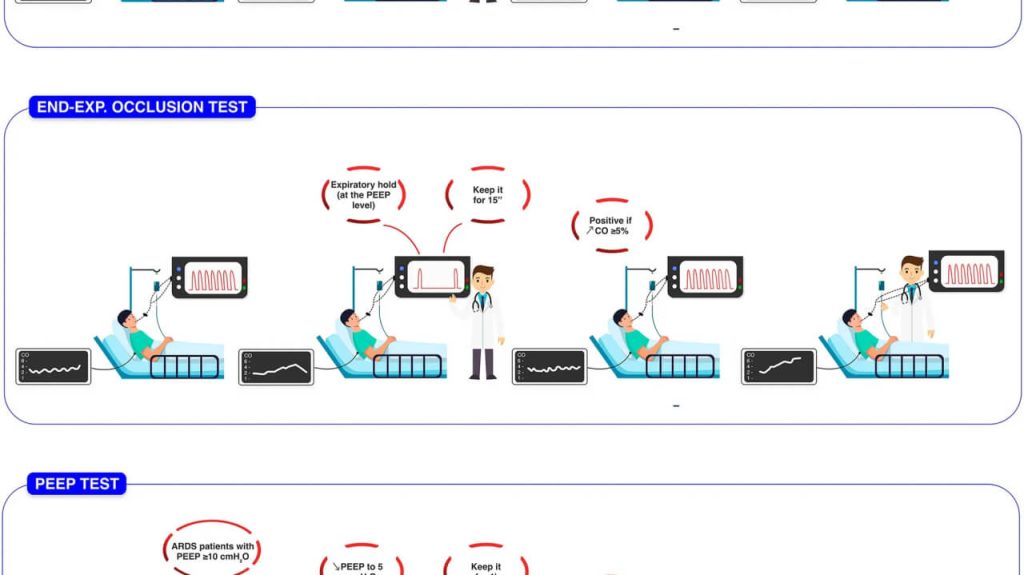
Using the ventilator to predict fluid responsiveness

During acute circulatory failure, infusing fluids as first line therapy is the source of a therapeutic dilemma [increase in cardiac output (CO) and improvement of tissue perfusion vs. inconsistent effectiveness and risk of fluid accumulation]. Predicting effectiveness of a fluid bolus on CO before infusing it avoids administering fluid to patients who do not require

, ,

Using the ventilator to predict fluid responsiveness Read Post »

Scroll to Top