Respiratory

Circulatory, Respiratory

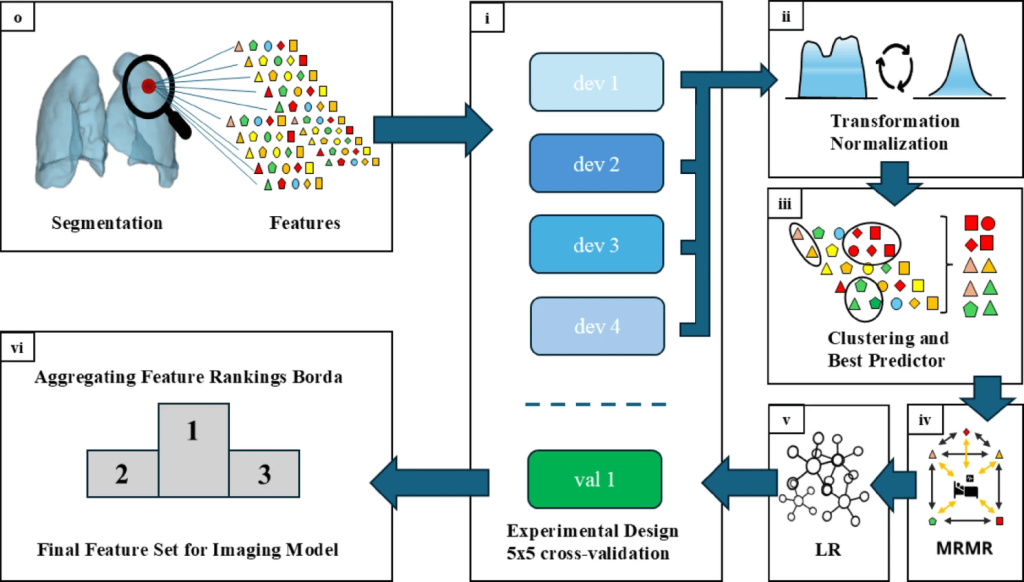
Radiomics-enhanced modelling approach for predicting the need for ECMO in ARDS patients: a retrospective cohort study

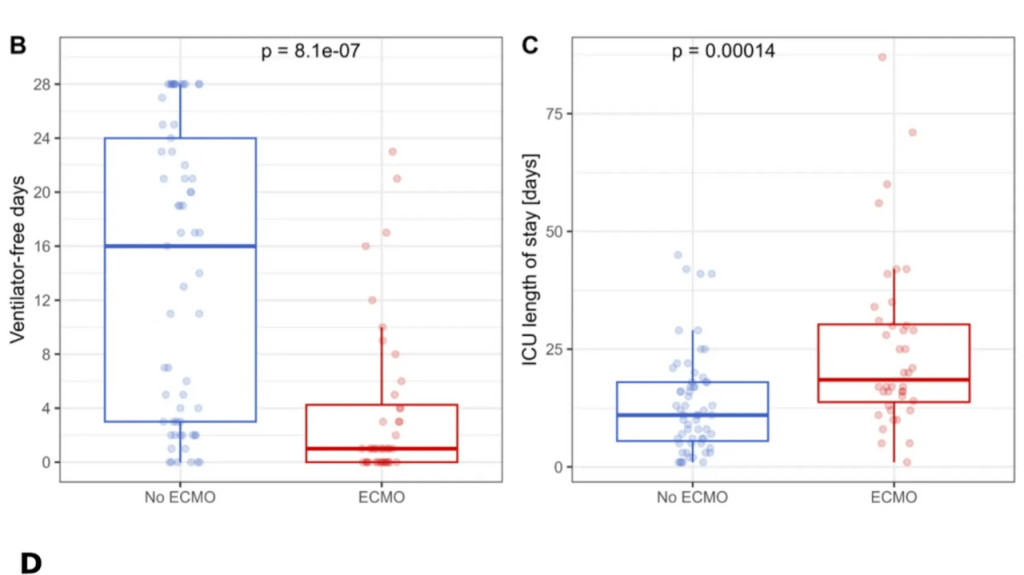
Predicting ECMO Before It’s Too Late: When Radiomics Meets Critical Care 🩺 Abstract The decision to initiate ECMO in patients with severe ARDS remains one of the most challenging and time-sensitive in critical care. In this retrospective cohort of 375 adults with COVID-19–associated ARDS, researchers from Germany explored whether combining quantitative CT radiomics with clinical […]

, , ,

Radiomics-enhanced modelling approach for predicting the need for ECMO in ARDS patients: a retrospective cohort study Read Post »

Circulatory, Respiratory

Extracorporeal membrane oxygenation (ECMO) and beyond in near fatal asthma: A comprehensive review

Extracorporeal Membrane Oxygenation (ECMO) and Beyond in Near-Fatal Asthma Abstract: Near-fatal asthma (NFA) is a life-threatening condition that sometimes proves refractory to conventional therapies, including mechanical ventilation. This comprehensive review examines the role of extracorporeal membrane oxygenation (ECMO) and extracorporeal COâ‚‚ removal (ECCOâ‚‚R) as rescue therapies in NFA. It synthesizes registry data, observational studies, and

, ,

Extracorporeal membrane oxygenation (ECMO) and beyond in near fatal asthma: A comprehensive review Read Post »

Respiratory

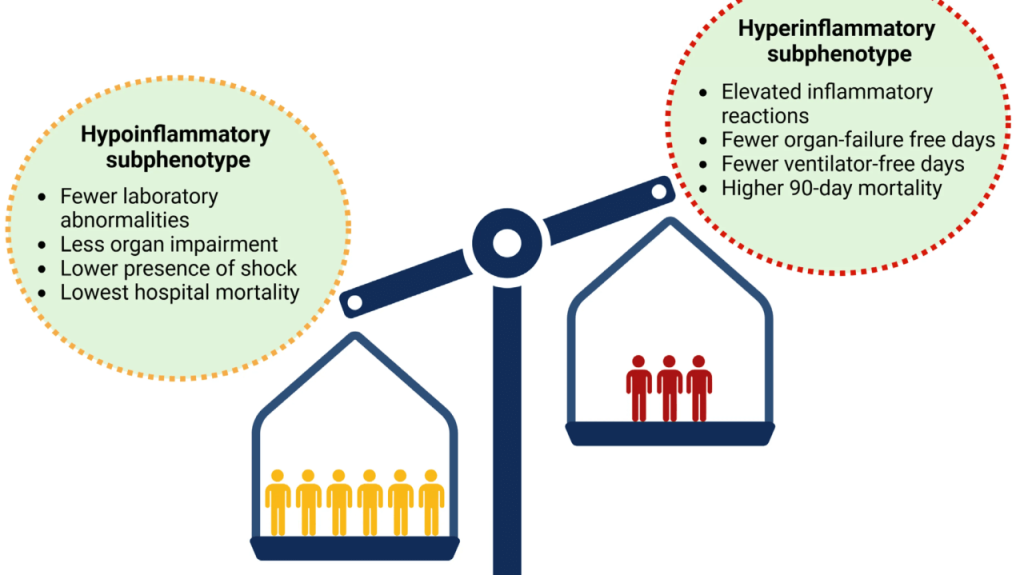
Acute Respiratory Distress Syndrome: Pathophysiological Insights, Subphenotypes, and Clinical Implications—A Comprehensive Review

ARDS: Pathophysiological Insights, Subphenotypes, and Precision Medicine Abstract: ARDS is a syndrome of hypoxemic respiratory failure caused by alveolo-capillary barrier dysfunction, dysregulated inflammation, and mechanical injury. Despite 60 years of research, mortality remains near 40%. The heterogeneity of ARDS has driven interest in subphenotypes—biological, clinical, physiological, and radiographic—that may explain variable responses to therapies. This

, ,

Acute Respiratory Distress Syndrome: Pathophysiological Insights, Subphenotypes, and Clinical Implications—A Comprehensive Review Read Post »

Respiratory

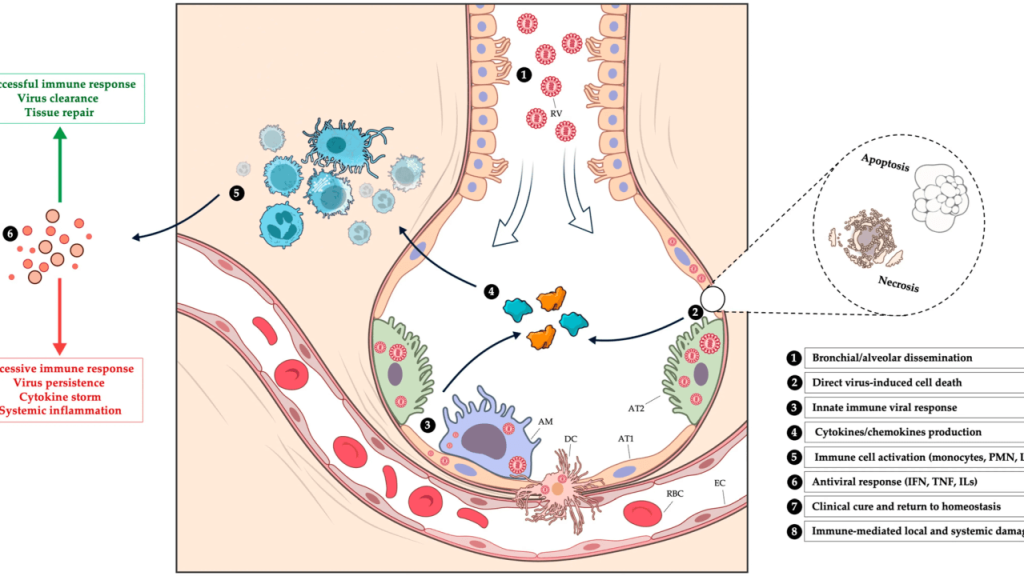
Role of Respiratory Viruses in Severe Acute Respiratory Failure

 The Role of Respiratory Viruses in Severe Acute Respiratory Failure Abstract: Respiratory viruses contribute substantially to severe acute respiratory failure (ARF) and ICU admissions. With the widespread use of multiplex PCR (mPCR), viruses are now identified in up to 30–40% of community-acquired pneumonia (CAP) cases. Influenza viruses and Pneumoviridae (RSV, hMPV) are the leading culprits,

, , ,

Role of Respiratory Viruses in Severe Acute Respiratory Failure Read Post »

Pulmonary, Respiratory, Sepsis

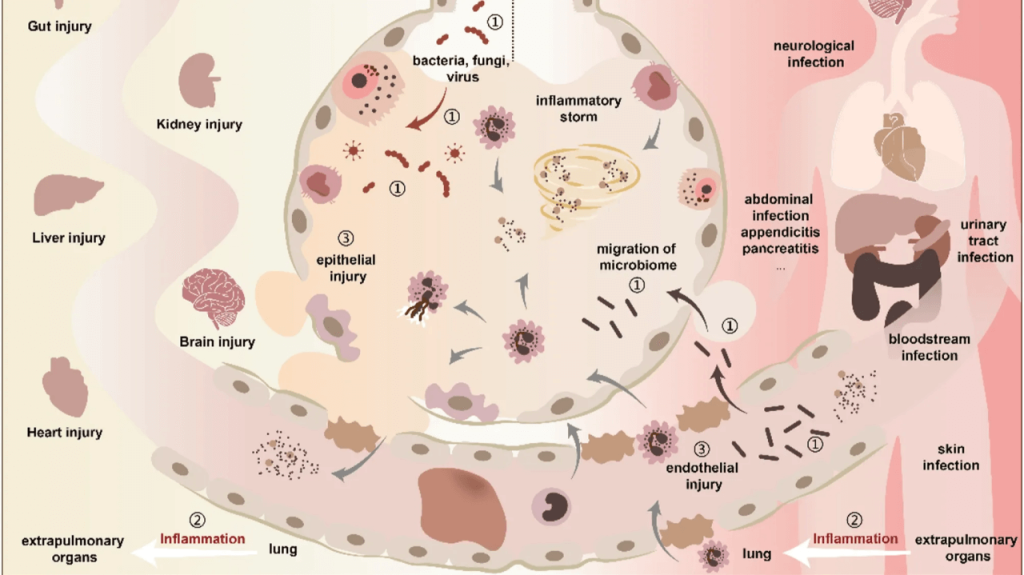
Crosstalk between lung and extrapulmonary organs in sepsis-related acute lung injury/acute respiratory distress syndrome

Organ Crosstalk in Sepsis-Related ALI/ARDS: New Insights into Lung–System Interactions Abstract: Sepsis-related ALI/ARDS remains highly lethal (>30% mortality), and most research has historically focused only on the lung. This review highlights organ crosstalk as a central mechanism in sepsis pathophysiology. The authors differentiate pulmonary sepsis-associated ALI/ARDS (PSA) from extrapulmonary sepsis-associated ALI/ARDS (ESA), outline systemic inflammation,

, , ,

Crosstalk between lung and extrapulmonary organs in sepsis-related acute lung injury/acute respiratory distress syndrome Read Post »

Circulatory, Respiratory

Physiological and clinical effects of two ultraprotective ventilation strategies in patients with VV-ECMO: the ECMOVENT study

ECMOVENT: Comparing Two Ultraprotective Ventilation Strategies on VV-ECMO Abstract: The optimal ventilatory strategy for ARDS patients on VV-ECMO remains debated. This single-center, before-and-after study compared two ultraprotective approaches: VT1 strategy: Assist-controlled volume mode, VT 1 ml/kg PBW, RR 5/min, Pplat 20–25 cmH₂O. ΔP8 strategy: Pressure-controlled mode, ΔP 8 cmH₂O, PEEP 14 cmH₂O, RR 10/min. Among

, , , ,

Physiological and clinical effects of two ultraprotective ventilation strategies in patients with VV-ECMO: the ECMOVENT study Read Post »

Respiratory

Demographics and outcome of Legionella pneumonia in the intensive care unit: a retrospective multicenter cohort study

Legionella Pneumonia in the ICU: Does ECMO Improve Outcomes? Abstract: This multicenter, retrospective cohort study (Zurich, Hannover, Bonn; 2013–2023) evaluated 110 ICU patients with Legionella pneumonia (LP). Severe LP frequently progressed to ARDS and multiorgan failure; 40% required ECMO. Despite greater severity (SOFA 12 vs 9), ECMO patients had similar 28-day mortality (25% vs 21%)

,

Demographics and outcome of Legionella pneumonia in the intensive care unit: a retrospective multicenter cohort study Read Post »

Respiratory

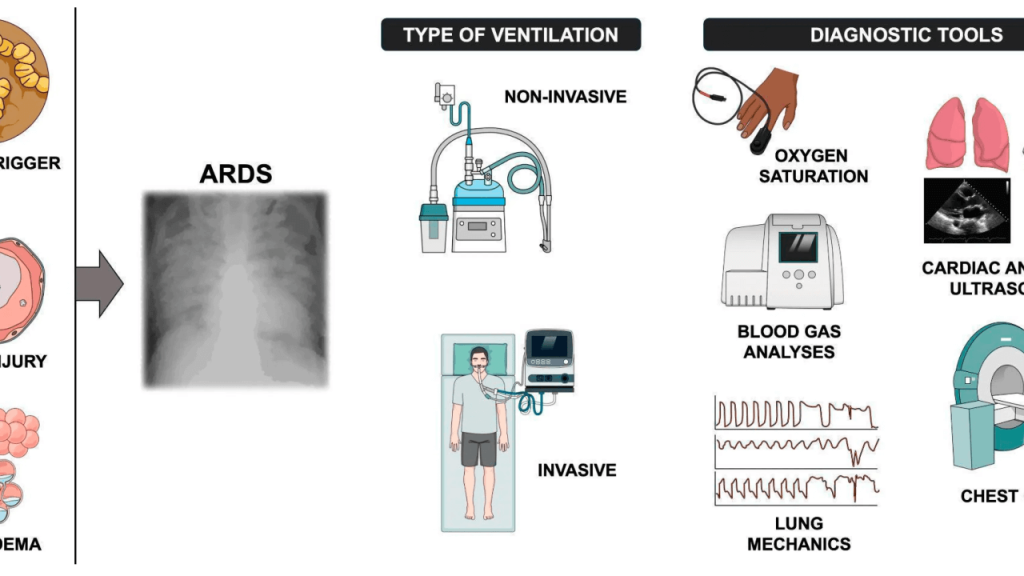
Old and New Definitions of Acute Respiratory Distress Syndrome (ARDS): An Overview of Practical Considerations and Clinical Implications

Should ARDS definitions include HFNC/NIV and SpO₂/FiO₂—without overdiagnosing? Abstract: This narrative review contrasts the 2012 Berlin definition with newer proposals—including the Kigali modification and the emerging global definition—that broaden ARDS diagnosis to patients on HFNC/NIV, allow SpO₂/FiO₂ surrogates, and consider lung ultrasound (LUS) where ABGs or CXR/CT are limited; the authors welcome earlier recognition but

,

Old and New Definitions of Acute Respiratory Distress Syndrome (ARDS): An Overview of Practical Considerations and Clinical Implications Read Post »

Respiratory

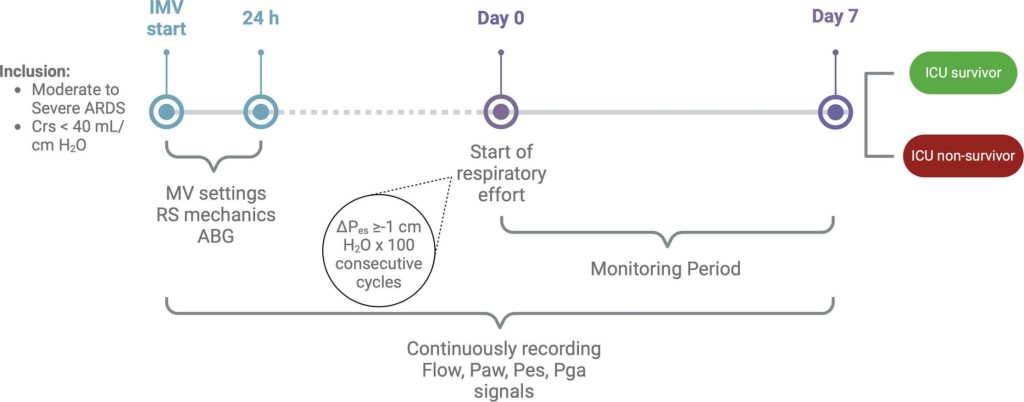
Association of Breathing Effort With Survival in Patients With Acute Respiratory Distress Syndrome

Abstract This multicenter prospective cohort study investigated whether breathing effort, estimated by esophageal pressure swing (ΔPes), is associated with survival in adults with acute hypoxemic respiratory failure (AHRF) receiving noninvasive respiratory support (NRS). Across 12 ICUs in Italy, 180 patients were enrolled. The study found that higher breathing effort—particularly ΔPes >10 cmH₂O—was independently associated with

,

Association of Breathing Effort With Survival in Patients With Acute Respiratory Distress Syndrome Read Post »

Respiratory

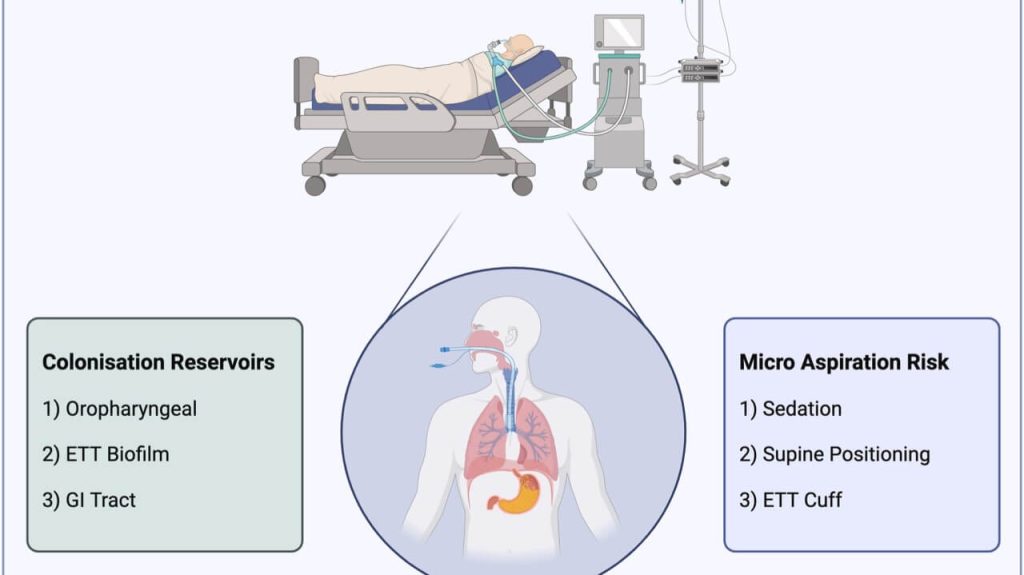
Ventilator-associated pneumonia: mechanisms, an appraisal of current therapies and the role for inhaled antibiotics in prevention and treatment

Summary Ventilator-associated pneumonia (VAP), the most common healthcare-associated infection in the ICU, significantly increases healthcare costs and negatively impacts patient outcomes. The review outlines complex VAP pathophysiology, involving abnormal microbiota colonization and micro-aspiration associated with mechanical ventilation. Traditional intravenous antibiotic therapies face challenges such as systemic complications and antibiotic resistance, while inhaled antibiotics offer a

, , , ,

Ventilator-associated pneumonia: mechanisms, an appraisal of current therapies and the role for inhaled antibiotics in prevention and treatment Read Post »

Scroll to Top