Respiratory

Mechanical Ventilation, Respiratory

Assessment of recruitment from CT to the bedside: challenges and future directions

Abstract Assessing and quantifying recruitability are important for characterizing ARDS severity and for reducing or preventing the atelectrauma caused by the cyclic opening and closing of pulmonary units. Over the years, several methods for recruitment assessment have been developed, grouped into three main approaches: 1) Quantitative CT Scanning: This method accurately measures the amount of […]

, , , , , , ,

Assessment of recruitment from CT to the bedside: challenges and future directions Read Post »

Respiratory

Impact of airway closure and lung collapse on inhaled nitric oxide effect in acute lung injury: an experimental study

Abstract Background Efficacy of inhaled therapy such as Nitric Oxide (iNO) during mechanical ventilation may depend on airway patency. We hypothesized that airway closure and lung collapse, countered by positive end-expiratory pressure (PEEP), influence iNO efficacy. This could support the role of an adequate PEEP titration for inhalation therapy. The main aim of this study

, , , ,

Impact of airway closure and lung collapse on inhaled nitric oxide effect in acute lung injury: an experimental study Read Post »

Respiratory

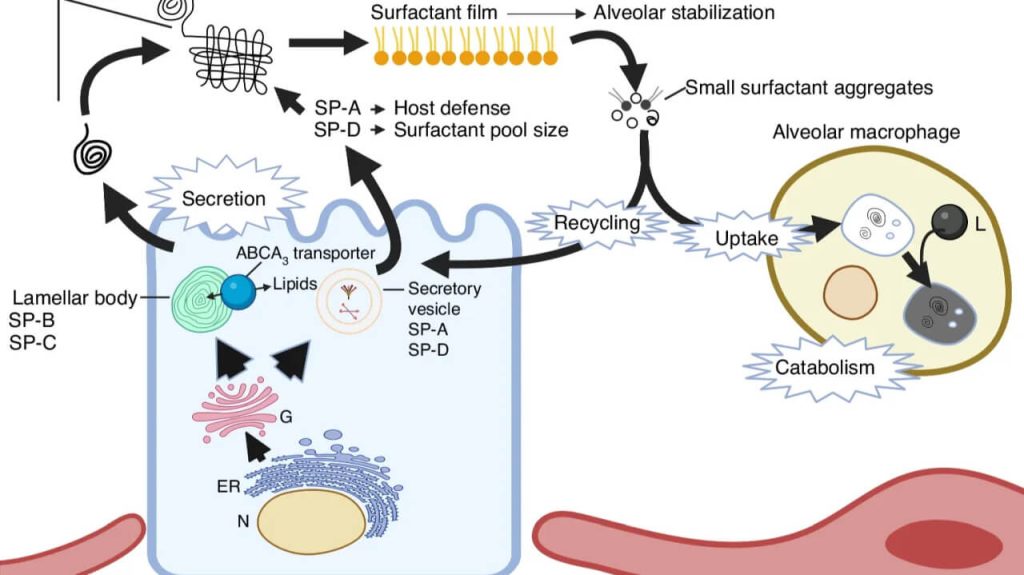
Respiratory distress syndrome is the poster child for neonatology

Introduction My goal is to discuss the significant improvement in mortality rates for respiratory distress syndrome (RDS) due to new therapies. In the 1950s and 1960s, mortality rates were approximately 50% (Fig. 1); however, with the introduction of CPAP, surfactant therapy, antenatal steroids, and mechanical ventilation, today’s mortality rate has dropped to less than 2%. This

, ,

Respiratory distress syndrome is the poster child for neonatology Read Post »

Circulatory, Respiratory

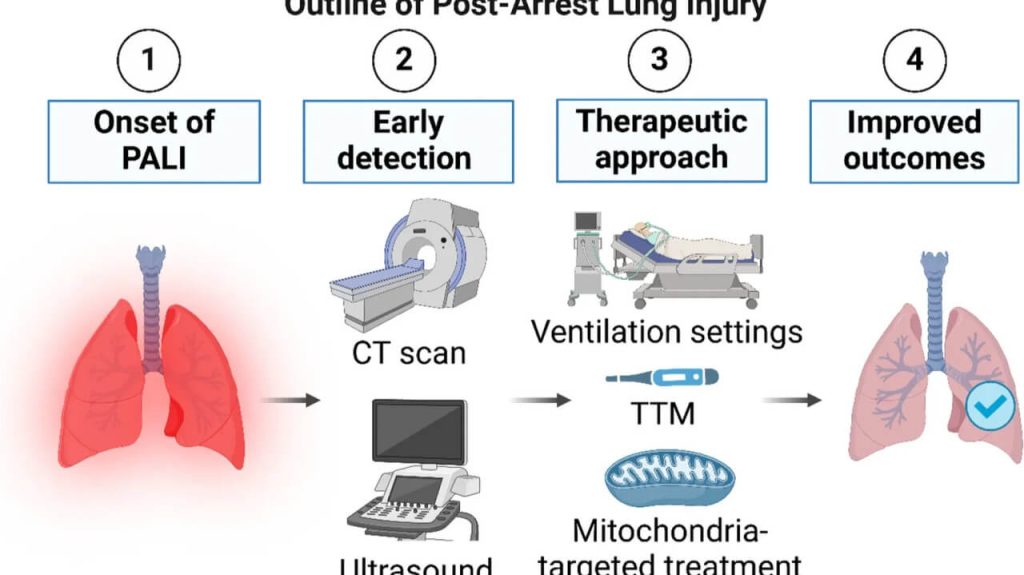
Acute lung injury and post-cardiac arrest syndrome: a narrative review

Abstract Background Post-cardiac arrest syndrome (PCAS) presents a multifaceted challenge in clinical practice, characterized by severe neurological injury and high mortality rates despite advancements in management strategies. One of the important critical aspects of PCAS is post-arrest lung injury (PALI), which significantly contributes to poor outcomes. PALI arises from a complex interplay of pathophysiological mechanisms,

, , , , , , ,

Acute lung injury and post-cardiac arrest syndrome: a narrative review Read Post »

Miscellaneous, Respiratory

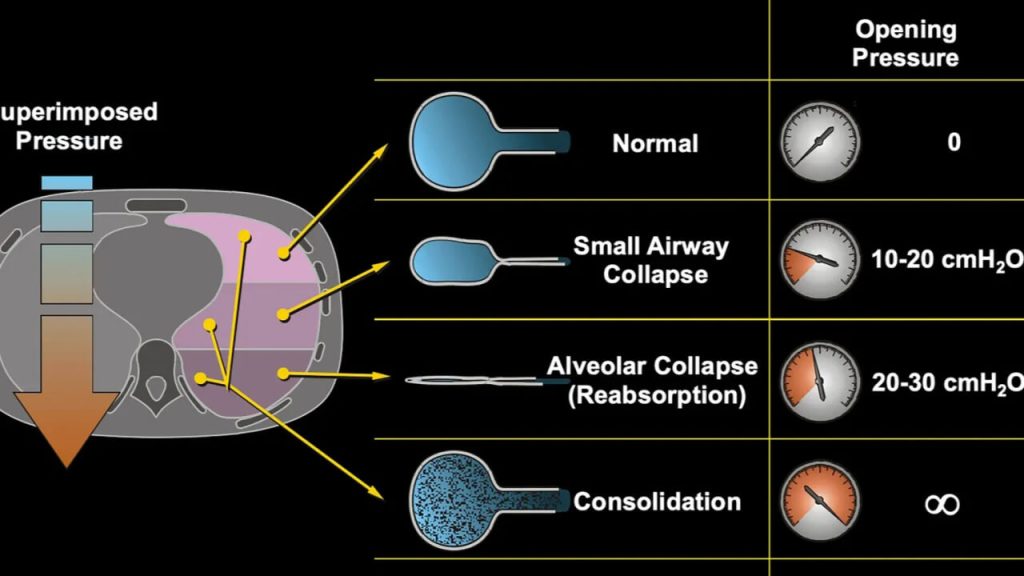
Distribution of airway pressure opening in the lungs measured with electrical impedance tomography (POET): a prospective physiological study

Abstract Background In patients with acute hypoxemic respiratory failure (AHRF) under mechanical ventilation, the change in pressure slope during a low-flow insufflation indicates a global airway opening pressure (AOP) needed to reopen closed airways and may be used for titration of positive end-expiratory pressure. Objectives To understand 1) if airways open homogeneously inside the lungs

, , , ,

Distribution of airway pressure opening in the lungs measured with electrical impedance tomography (POET): a prospective physiological study Read Post »

Respiratory

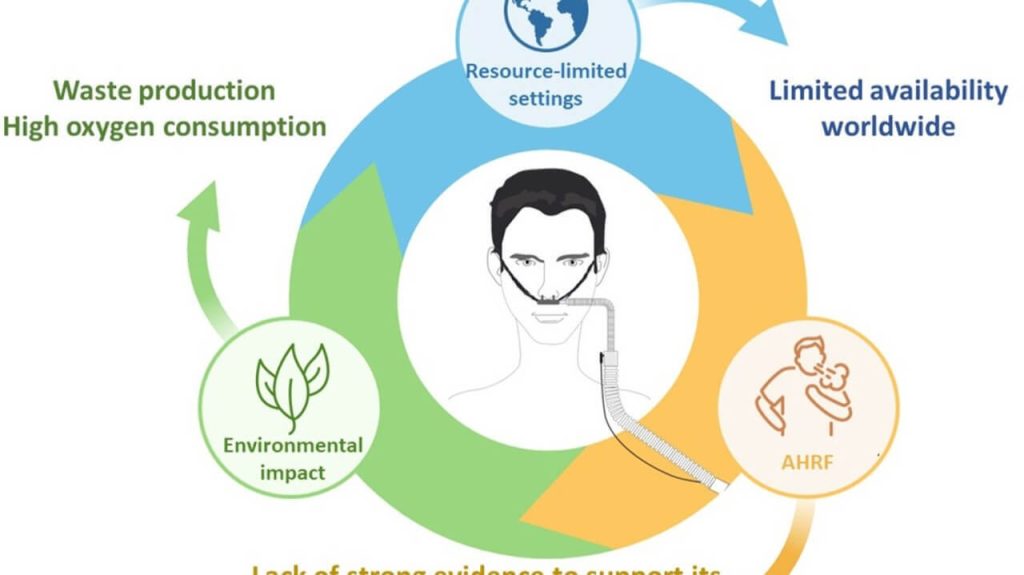
High-flow nasal oxygen is the reference treatment in acute hypoxemic respiratory failure: Con

Abstract Over the past decade and boosted by the coronavirus disease 2019 (COVID-19) pandemic, high-flow nasal oxygen (HFNO) has been increasingly used in the intensive care unit (ICU) to treat acute hypoxemic respiratory failure (AHRF). In this review, we show that despite this wide and rapid increase in the use of HFNO to treat AHRF,

, , , , ,

High-flow nasal oxygen is the reference treatment in acute hypoxemic respiratory failure: Con Read Post »

Respiratory

Hemodynamic Implications of Prone Positioning in Patients with ARDS

Abstract This review investigates the hemodynamic effects of prone positioning in patients with acute respiratory distress syndrome (ARDS). It highlights how prone positioning influences venous return, right ventricular (RV) and left ventricular (LV) preload, and afterload. Additionally, it evaluates techniques for detecting fluid responsiveness during prone positioning, essential for optimizing fluid therapy and overall patient

, ,

Hemodynamic Implications of Prone Positioning in Patients with ARDS Read Post »

Circulatory, Mechanical Ventilation, Respiratory

Airway management and ventilation techniques in resuscitation during advanced life support: an update

Abstract For many years, ventilation has been an essential part of advanced life support (ALS) in cardiopulmonary resuscitation (CPR). Nevertheless, there is little evidence about the best method of ventilation during resuscitation for both out-of-hospital cardiac arrest (OHCA) and inhospital cardiac arrest (IHCA) patients. Effective ventilation is one of the two main keys to successful

, , , , ,

Airway management and ventilation techniques in resuscitation during advanced life support: an update Read Post »

Mechanical Ventilation, Respiratory

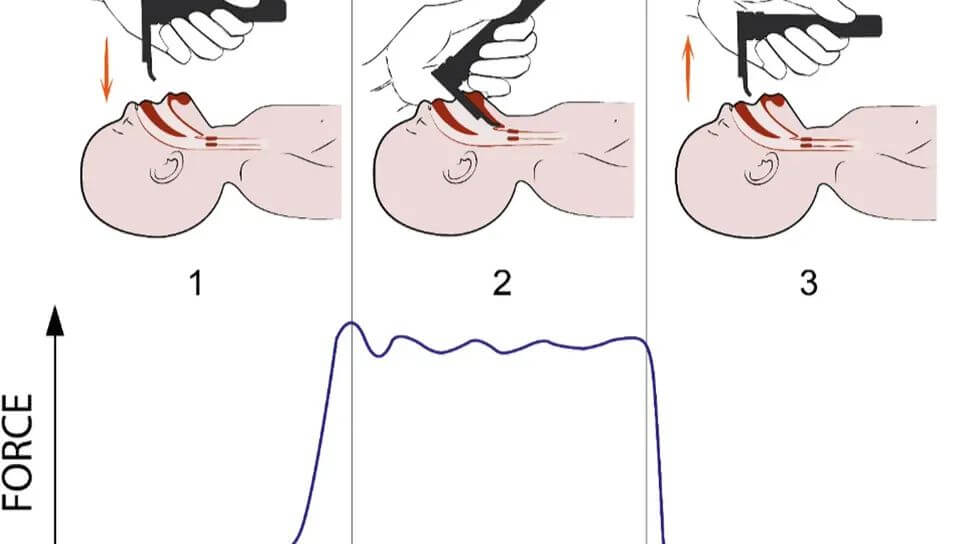
Neonatal intubation: what are we doing?

Abstract How and when the forces are applied during neonatal intubation are currently unknown. This study investigated the pattern of the applied forces by using sensorized laryngoscopes during the intubation process in a neonatal manikin. Nine users of direct laryngoscope and nine users of straight-blade video laryngoscope were included in a neonatal manikin study. During

,

Neonatal intubation: what are we doing? Read Post »

Mechanical Ventilation, Respiratory

Ventilator-associated pneumonia: pathobiological heterogeneity and diagnostic challenges

Abstract Ventilator-associated pneumonia (VAP) affects up to 20% of critically ill patients and induces significant antibiotic prescription pressure, accounting for half of all antibiotic use in the ICU. VAP significantly increases hospital length of stay and healthcare costs yet is also associated with long-term morbidity and mortality. The diagnosis of VAP continues to present challenges

, , ,

Ventilator-associated pneumonia: pathobiological heterogeneity and diagnostic challenges Read Post »

Scroll to Top