Respiratory

Respiratory

Advancements in imaging techniques for monitoring the respiratory muscles

Summary of “Advancements in Imaging Techniques for Monitoring the Respiratory Muscles” Abstract Respiratory muscle dysfunction is a significant issue in critically ill patients, affecting weaning from mechanical ventilation and overall outcomes. This review explores emerging imaging techniques for assessing respiratory muscles, including ultrasound-based methods such as speckle tracking, tissue Doppler imaging, and shear wave elastography. […]

, , ,

Advancements in imaging techniques for monitoring the respiratory muscles Read Post »
Respiratory

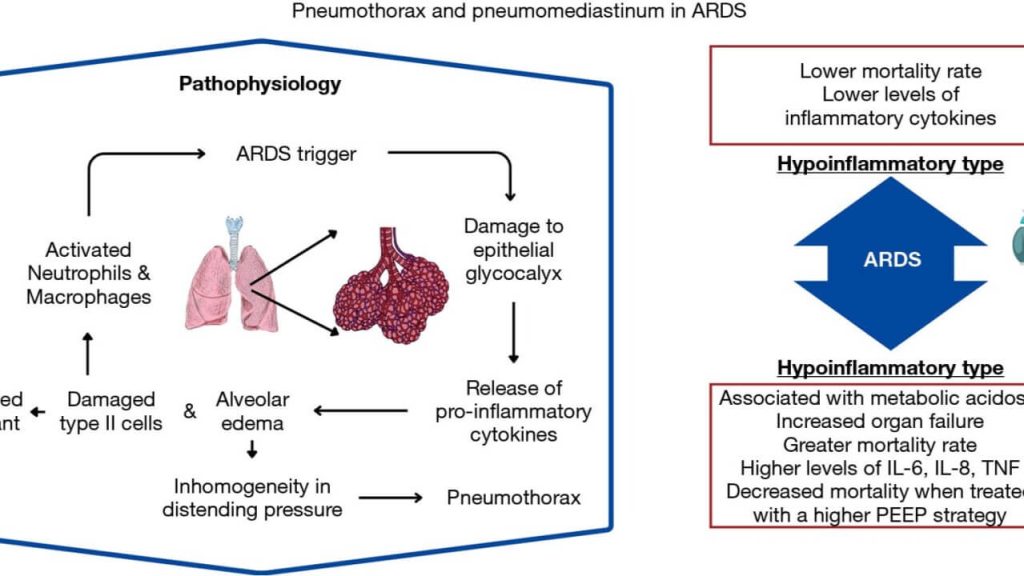
Pneumomediastinum and pneumothorax in acute respiratory distress syndrome (ARDS) patients: a narrative review

Abstract Background and Objective: Acute respiratory distress syndrome (ARDS) is a severe, life-threatening medical condition characterized by poor oxygenation due to non-compliant lungs secondary diffuse alveolar damage. Encouragingly, the incidence of ARDS has declined steadily recently, attributed mainly to implementation of keystone guidelines and continuous research efforts. Mechanical ventilation is the cornerstone of supportive care for

, , , ,

Pneumomediastinum and pneumothorax in acute respiratory distress syndrome (ARDS) patients: a narrative review Read Post »

Mechanical Ventilation, Respiratory

Beyond the Lungs: Extrapulmonary Effects of Non-Invasive and Invasive Ventilation Strategies

Abstract Background/Objectives: Non-invasive respiratory support and invasive mechanical ventilation are critical interventions that can induce significant changes not only in the lungs but also in extra-pulmonary organs, which are often overlooked. Understanding the extra-pulmonary effects of non-invasive respiratory support and invasive mechanical ventilation is crucial since it can help prevent or mitigate complications and improve

, ,

Beyond the Lungs: Extrapulmonary Effects of Non-Invasive and Invasive Ventilation Strategies Read Post »

Respiratory

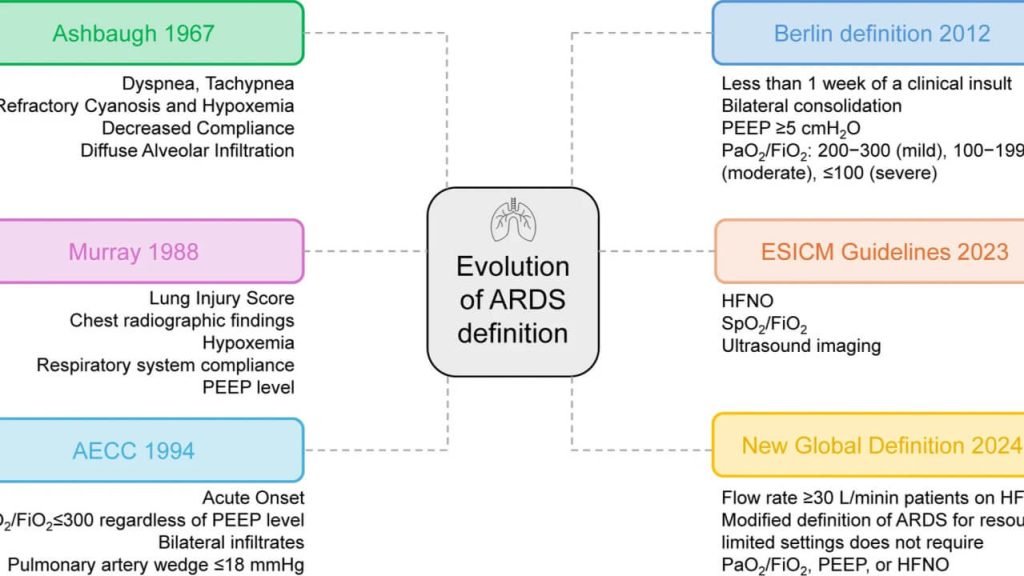
A narrative review on the future of ARDS: evolving definitions, pathophysiology, and tailored management

Abstract Acute respiratory distress syndrome (ARDS) is a severe complication of critical illness, characterized by bilateral lung infiltrates and hypoxemia. Its clinical and pathophysiological heterogeneity poses challenges for both diagnosis and treatment. This review outlines the evolution of ARDS definitions, discusses the underlying pathophysiology of ARDS, and examines the clinical implications of its heterogeneity. Traditional

,

A narrative review on the future of ARDS: evolving definitions, pathophysiology, and tailored management Read Post »

Respiratory

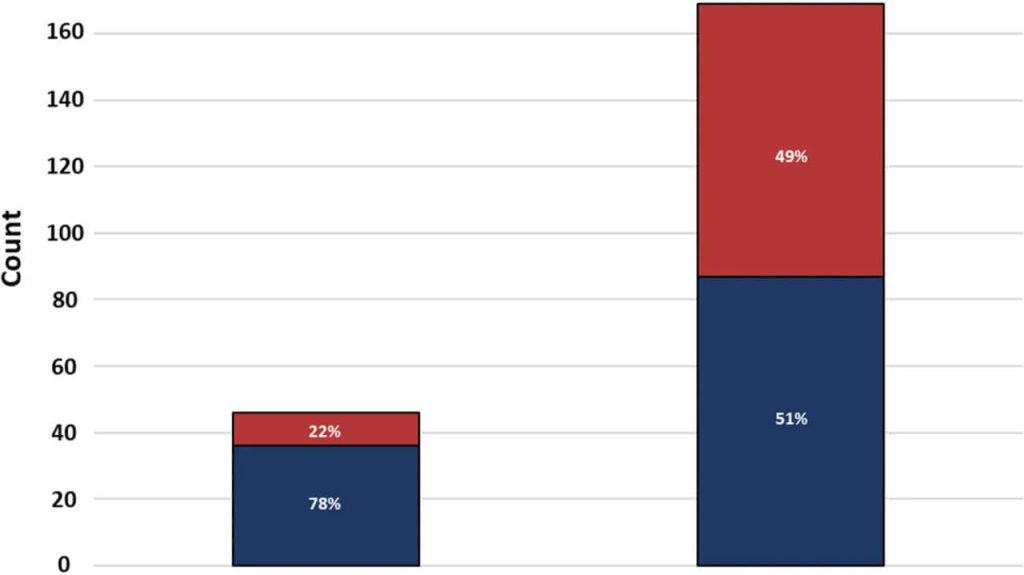
Rapidly improving ARDS differs clinically and biologically from persistent ARDS

Abstract Background Rapidly improving acute respiratory distress syndrome (RIARDS) is an increasingly appreciated subgroup of ARDS in which hypoxemia improves within 24 h after initiation of mechanical ventilation. Detailed clinical and biological features of RIARDS have not been clearly defined, and it is unknown whether RIARDS is associated with the hypoinflammatory or hyperinflammatory phenotype of ARDS.

,

Rapidly improving ARDS differs clinically and biologically from persistent ARDS Read Post »

Respiratory

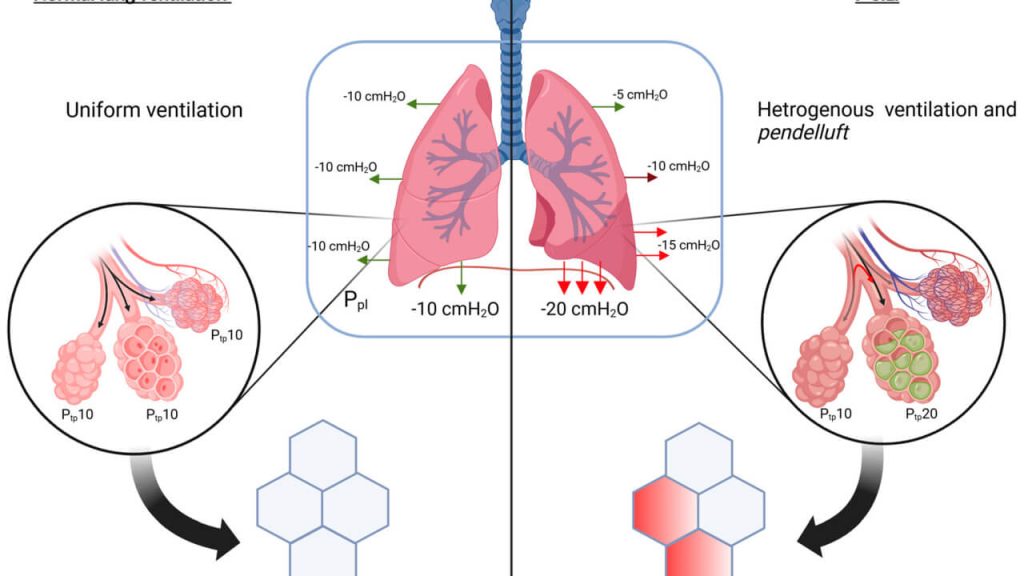
Patient-Self Inflicted Lung Injury (P-SILI): An Insight into the Pathophysiology of Lung Injury and Management

Abstract Acute respiratory distress syndrome (ARDS) is a heterogeneous group of disease entities that are associated with acute hypoxic respiratory failure and significant morbidity and mortality. With a better understanding and phenotyping of lung injury, novel pathophysiologic mechanisms demonstrate the impact of a patient’s excessive spontaneous breathing effort on perpetuating lung injury. Patient self-inflicted lung

, , ,

Patient-Self Inflicted Lung Injury (P-SILI): An Insight into the Pathophysiology of Lung Injury and Management Read Post »

Respiratory

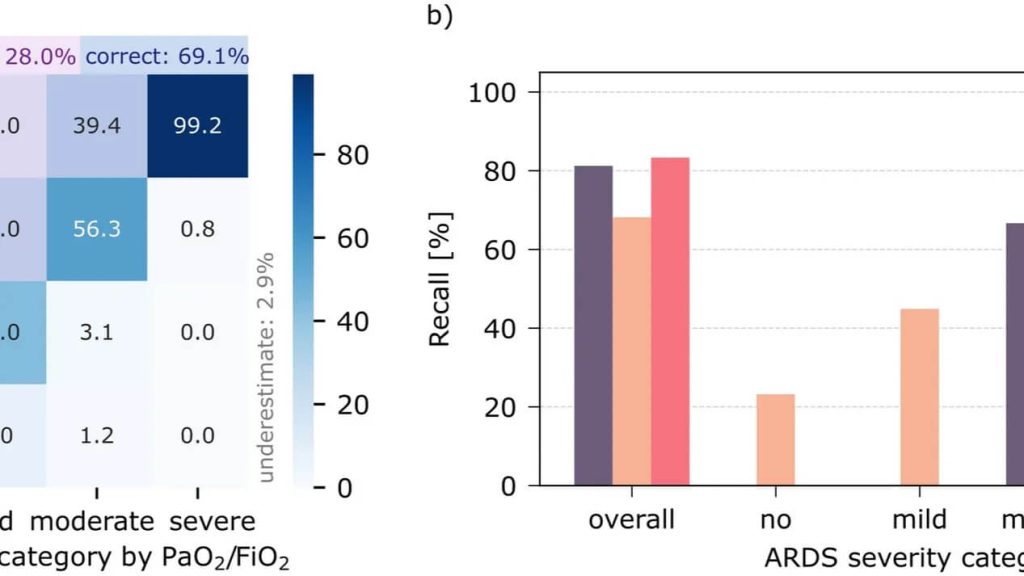
Limitations of SpO2 / FiO2-ratio for classification and monitoring of acute respiratory distress syndrome—an observational cohort study

Abstract Background The ratio of pulse-oximetric peripheral oxygen saturation to fraction of inspired oxygen (SpO2/FiO2) has been proposed as additional hypoxemia criterion in a new global definition of acute respiratory distress syndrome (ARDS). This study aims to evaluate the clinical and theoretical limitations of the SpO2/FiO2-ratio when using it to classify patients with ARDS and

, , ,

Limitations of SpO2 / FiO2-ratio for classification and monitoring of acute respiratory distress syndrome—an observational cohort study Read Post »

Respiratory

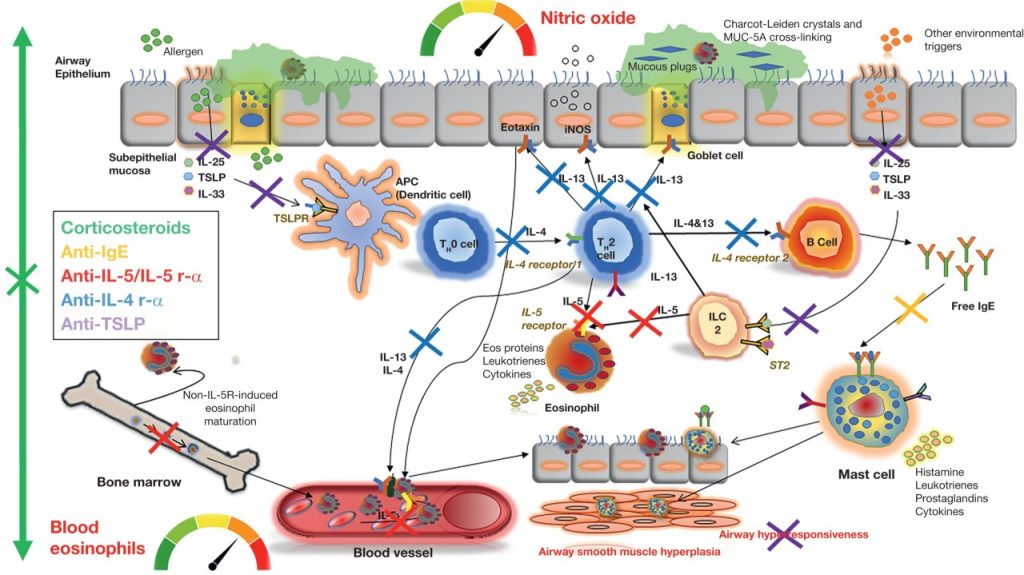
Choosing the Right Biologic for the Right Patient With Severe Asthma

Abstract In this installment of the How I Do It series on severe asthma, we tackle the clinical conundrum of choosing the right biologic for the right patient with severe asthma. With six biologics now approved for use in this area comprising four different targeting strategies (anti-Ig E: omalizumab; anti-IL-5 and anti-IL-5-receptor: mepolizumab, reslizumab, and

, , ,

Choosing the Right Biologic for the Right Patient With Severe Asthma Read Post »

Respiratory

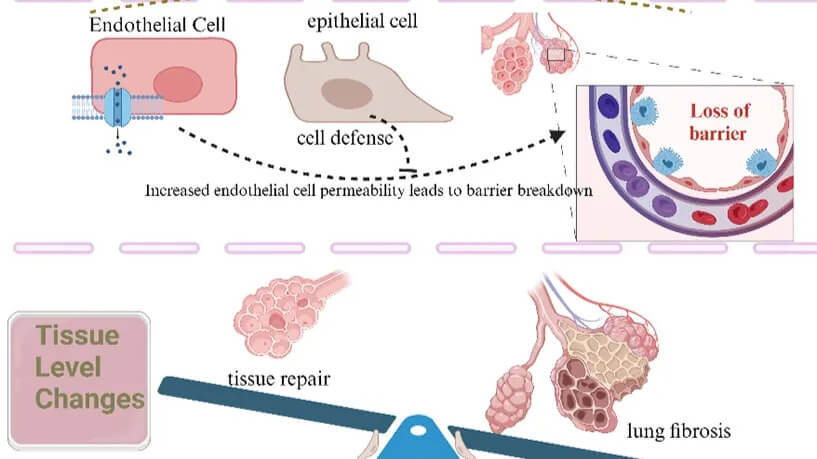
Pathophysiological mechanisms of ARDS: a narrative review from molecular to organ-level perspectives

Abstract Background Acute respiratory distress syndrome (ARDS) remains a life-threatening pulmonary condition with persistently high mortality rates despite significant advancements in supportive care. Its complex pathophysiology involves an intricate interplay of molecular and cellular processes, including cytokine storms, oxidative stress, programmed cell death, and disruption of the alveolar-capillary barrier. These mechanisms drive localized lung injury

,

Pathophysiological mechanisms of ARDS: a narrative review from molecular to organ-level perspectives Read Post »

Respiratory

Understanding Pulmonary Stress-Strain Relationships in Severe ARDS and Its Implications for Designing a Safer Approach to Setting the Ventilator

Abstract This review describes the current understanding of the lungs’ response to deforming stress under conditions of both normal physiology and acute lung injury. Several limiting assumptions are needed to infer lung parenchymal stress and strain from airway pressure, volume, and flow data from mechanically ventilated patients with injured lungs. These assumptions include the effects

, , ,

Understanding Pulmonary Stress-Strain Relationships in Severe ARDS and Its Implications for Designing a Safer Approach to Setting the Ventilator Read Post »

Scroll to Top