neonate

Respiratory

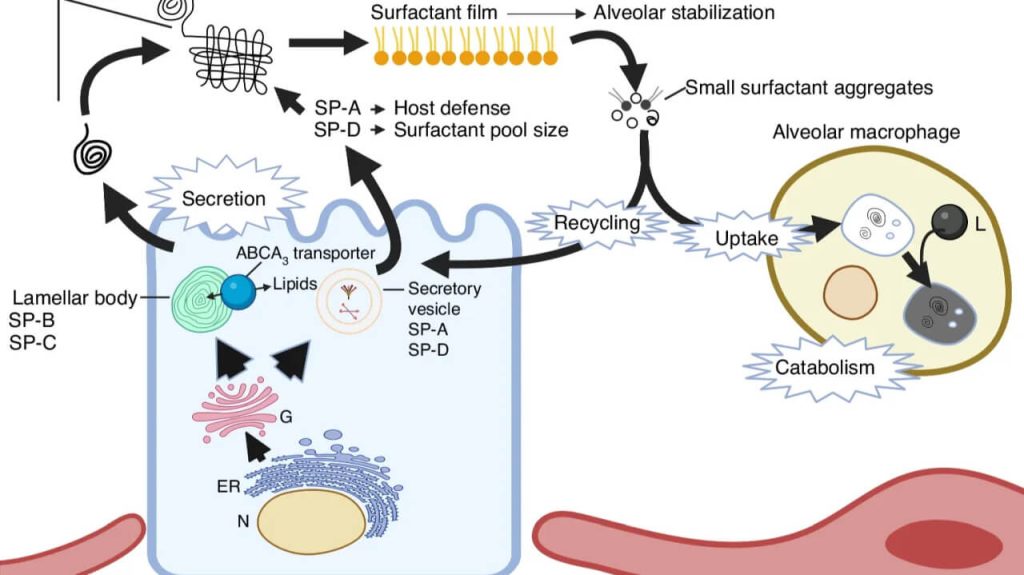
Respiratory distress syndrome is the poster child for neonatology

Introduction My goal is to discuss the significant improvement in mortality rates for respiratory distress syndrome (RDS) due to new therapies. In the 1950s and 1960s, mortality rates were approximately 50% (Fig. 1); however, with the introduction of CPAP, surfactant therapy, antenatal steroids, and mechanical ventilation, today’s mortality rate has dropped to less than 2%. This […]

, ,

Respiratory distress syndrome is the poster child for neonatology Read Post »
Mechanical Ventilation, Respiratory

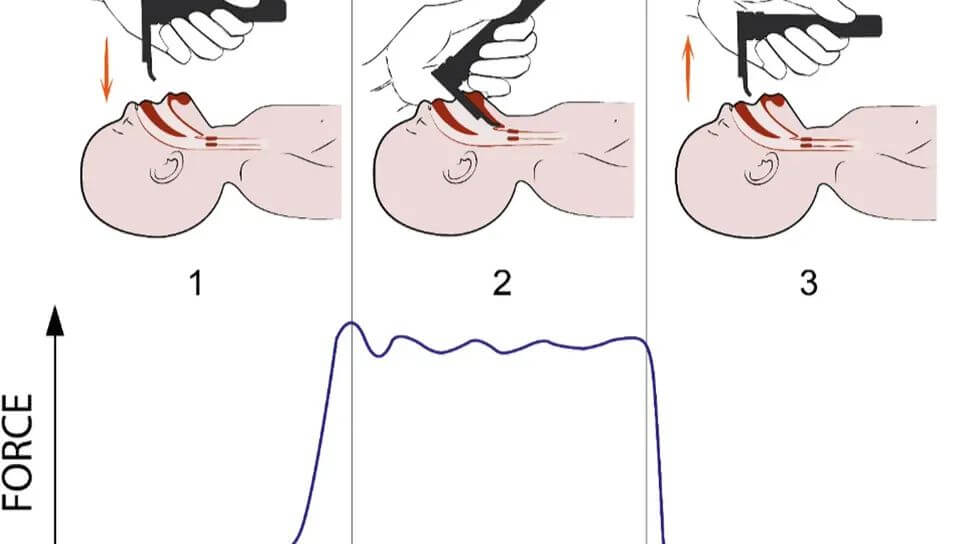
Neonatal intubation: what are we doing?

Abstract How and when the forces are applied during neonatal intubation are currently unknown. This study investigated the pattern of the applied forces by using sensorized laryngoscopes during the intubation process in a neonatal manikin. Nine users of direct laryngoscope and nine users of straight-blade video laryngoscope were included in a neonatal manikin study. During

,

Neonatal intubation: what are we doing? Read Post »

Respiratory

Effectiveness of antenatal dexamethasone in reducing respiratory distress syndrome and mortality in preterm neonates: a nested case control study

Abstract   Background Respiratory distress syndrome (RDS) is a significant cause of preterm neonatal morbidity and mortality globally. Measures like the use of antenatal corticosteroids (ACS) and immediate resuscitation of the newborn after birth are taken to abate preterm related complications. Most studies that evidenced the benefit of ACS were done in high resource settings.

, ,

Effectiveness of antenatal dexamethasone in reducing respiratory distress syndrome and mortality in preterm neonates: a nested case control study Read Post »

Scroll to Top