Critical Care

Sepsis

Efficacy of targeting high mean arterial pressure for older patients with septic shock (OPTPRESS): a multicentre, pragmatic, open-label, randomised…

Abstract: Endo et al. conducted the OPTPRESS trial, a multicenter randomized controlled trial in Japan, evaluating whether a higher mean arterial pressure (MAP) target (80–85 mmHg) reduces mortality in older patients (≥65 years) with septic shock compared to standard targets (65–70 mmHg). The trial was terminated early due to increased mortality and adverse events in […]

, ,

Efficacy of targeting high mean arterial pressure for older patients with septic shock (OPTPRESS): a multicentre, pragmatic, open-label, randomised… Read Post »

Miscellaneous

Physiology and pathophysiology of mucus and mucolytic use in critically ill patients

Abstract Airway mucus is a highly specialised secretory fluid which functions as a physical and immunological barrier to pathogens whilst lubricating the airways and humifying atmospheric air. Dysfunction is common during critical illness and is characterised by changes in production rate, chemical composition, physical properties, and inflammatory phenotype. Mucociliary clearance, which is determined in part

, ,

Physiology and pathophysiology of mucus and mucolytic use in critically ill patients Read Post »

Circulatory, Respiratory

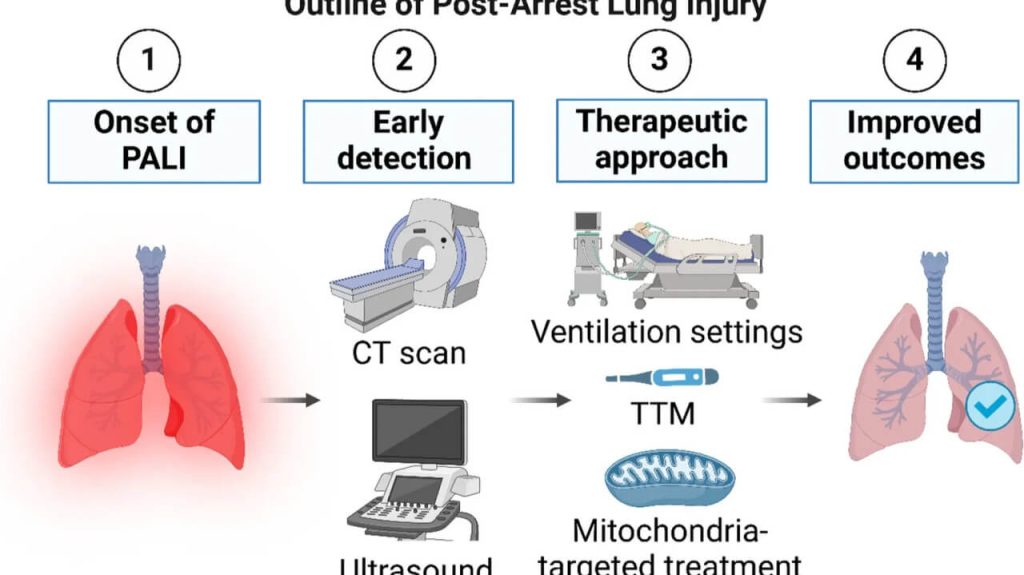
Acute lung injury and post-cardiac arrest syndrome: a narrative review

Abstract Background Post-cardiac arrest syndrome (PCAS) presents a multifaceted challenge in clinical practice, characterized by severe neurological injury and high mortality rates despite advancements in management strategies. One of the important critical aspects of PCAS is post-arrest lung injury (PALI), which significantly contributes to poor outcomes. PALI arises from a complex interplay of pathophysiological mechanisms,

, , , , , , ,

Acute lung injury and post-cardiac arrest syndrome: a narrative review Read Post »

Mechanical Ventilation

Ventilator induced lung injury: a case for a larger umbrella?

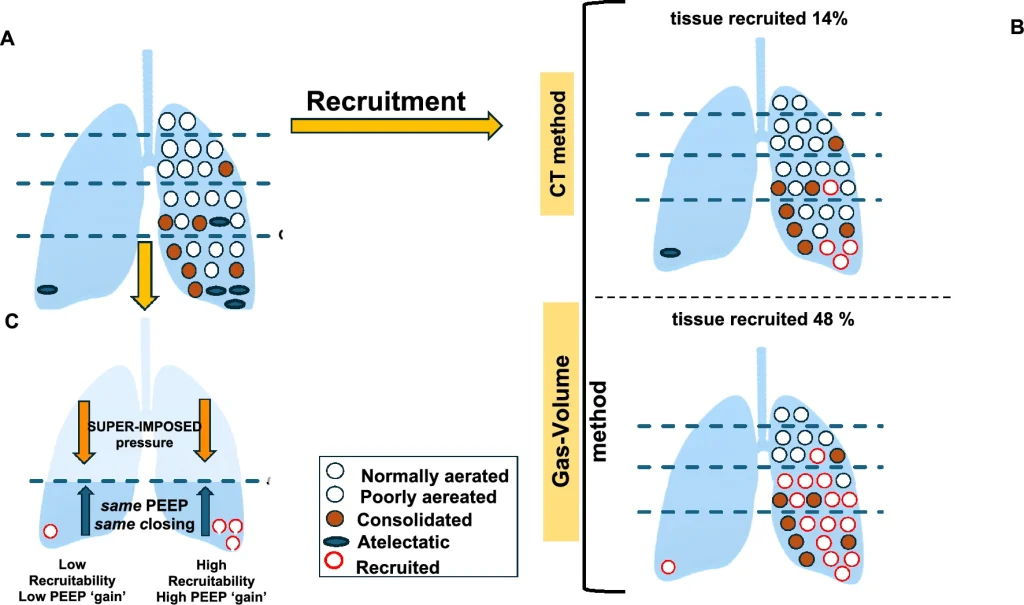
Summary of “Assessing lung recruitability: does it help with PEEP settings?” This editorial examines the relationship between lung recruitability and the selection of positive end-expiratory pressure (PEEP) settings in acute respiratory distress syndrome (ARDS) management. While recruitability measures the potential to reinflate atelectatic lung regions, PEEP must prevent their collapse while considering additional factors like

, , , , , , , , , , , , , ,

Ventilator induced lung injury: a case for a larger umbrella? Read Post »

Scroll to Top