Positive End-Expiratory Pressure (PEEP)

Respiratory

The impact of PEEP-guided electrical impedance tomography on oxygenation and respiratory mechanics in moderate-to-severe ARDS: a randomized…..

Why this study deserves your click Every ARDS patient forces us to answer the same question: “How much PEEP is enough—and how much is too much?” We usually lean on ARDSNet tables, “PEEP ladders,” or our own bias. This trial asks a different question: What happens if we let the lung tell us the right […]

, ,

The impact of PEEP-guided electrical impedance tomography on oxygenation and respiratory mechanics in moderate-to-severe ARDS: a randomized….. Read Post »

Mechanical Ventilation

Stepwise positive end-expiratory pressure titration modulates respiratory mechanics and mechanical power in mechanically ventilated adults

Abstract This physiological study evaluated how ascending PEEP titration (0 → 4 → 8 → 12 → 16 cmH₂O) alters respiratory mechanics and mechanical power (MP) in deeply sedated adults without lung injury. Key findings show that increasing PEEP consistently and significantly raises: Total mechanical power Plateau pressure Static elastic power Total elastic workload …while

, ,

Stepwise positive end-expiratory pressure titration modulates respiratory mechanics and mechanical power in mechanically ventilated adults Read Post »

Respiratory

Driving pressure vs. oxygenation-based PEEP titration strategies in ARDS patients: a physiological study

Summary This prospective observational study compared the physiological effects of three different positive end-expiratory pressure (PEEP) titration strategies in patients with acute respiratory distress syndrome (ARDS): a driving pressure-based clinical approach, an empirical oxygenation-based method (high PEEP/FiO₂ table), and fixed PEEP levels (5 or 15 cmH₂O) determined by ARDS severity. Findings revealed that clinical titration

, ,

Driving pressure vs. oxygenation-based PEEP titration strategies in ARDS patients: a physiological study Read Post »

Mechanical Ventilation

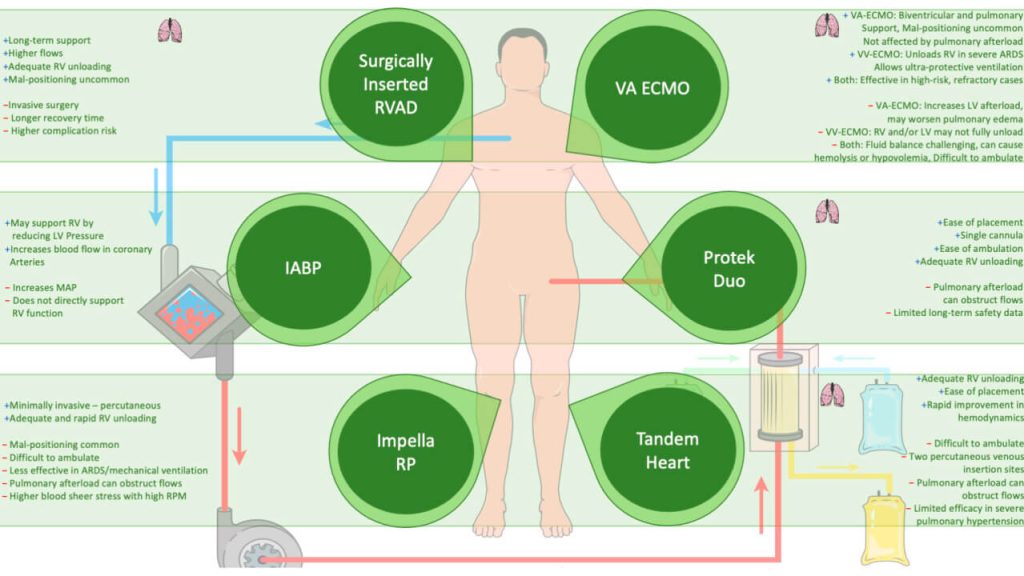
Navigating Heart–Lung Interactions in Mechanical Ventilation: Pathophysiology, Diagnosis, and Advanced Management Strategies in ARDS and Beyond

Abstract Patients in critical condition who require mechanical ventilation experience intricate interactions between their respiratory and cardiovascular systems. These complex interactions are crucial for clinicians to understand as they can significantly influence therapeutic decisions and patient outcomes. A deep understanding of heart–lung interactions is essential, particularly under the stress of mechanical ventilation, where the right

, , , , , ,

Navigating Heart–Lung Interactions in Mechanical Ventilation: Pathophysiology, Diagnosis, and Advanced Management Strategies in ARDS and Beyond Read Post »

Mechanical Ventilation

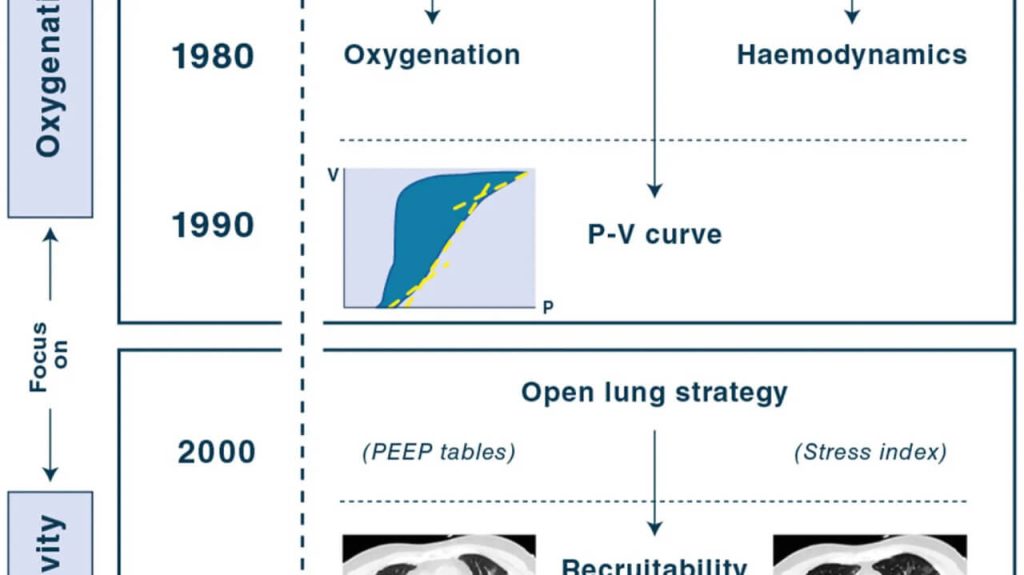
In search of the Holy Grail: identifying the best PEEP in ventilated patients

Positive end-expiratory pressure (PEEP) has been interwoven with acute respiratory distress syndrome (ARDS) since its first description by Ashbaugh et al. [1]. Thereafter, the potentially competing effects of PEEP on lung volume, gas-exchange, and hemodynamics were quickly recognized, prompting the first proposals for methods to optimize PEEP in the clinical setting. Eight years after the

,

In search of the Holy Grail: identifying the best PEEP in ventilated patients Read Post »

Mechanical Ventilation

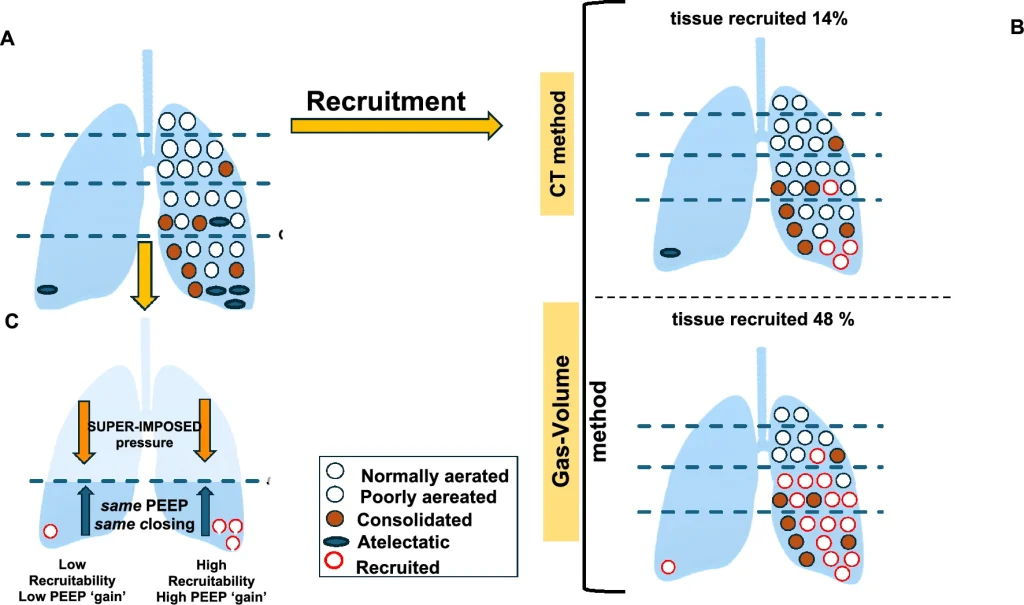
Ventilator induced lung injury: a case for a larger umbrella?

Summary of “Assessing lung recruitability: does it help with PEEP settings?” This editorial examines the relationship between lung recruitability and the selection of positive end-expiratory pressure (PEEP) settings in acute respiratory distress syndrome (ARDS) management. While recruitability measures the potential to reinflate atelectatic lung regions, PEEP must prevent their collapse while considering additional factors like

, , , , , , , , , , , , , ,

Ventilator induced lung injury: a case for a larger umbrella? Read Post »

Scroll to Top