Mechanical Power

Mechanical Ventilation

Stepwise positive end-expiratory pressure titration modulates respiratory mechanics and mechanical power in mechanically ventilated adults

Abstract This physiological study evaluated how ascending PEEP titration (0 → 4 → 8 → 12 → 16 cmH₂O) alters respiratory mechanics and mechanical power (MP) in deeply sedated adults without lung injury. Key findings show that increasing PEEP consistently and significantly raises: Total mechanical power Plateau pressure Static elastic power Total elastic workload …while […]
, ,

Stepwise positive end-expiratory pressure titration modulates respiratory mechanics and mechanical power in mechanically ventilated adults Read Post »

Mechanical Ventilation

Two Strategies for Reducing Mechanical Power: Adjust Ventilator Settings or Reopen the Lung? – Gary Nieman.

In the last newsletter, we discussed the roles of driving pressure (DP) [DOI: 10.1056/NEJMsa1410639] and mechanical power (MP) [DOI 10.1007/s00134-016-4505-2] as factors contributing to ventilator-induced lung injury (VILI) in patients with acute respiratory distress syndrome (ARDS). Neither DP nor MP directly causes lung damage; instead, they serve as markers indicating that VILI (excessive strain) is

Two Strategies for Reducing Mechanical Power: Adjust Ventilator Settings or Reopen the Lung? – Gary Nieman. Read Post »

Mechanical Ventilation

Evaluation of the mean airway pressure – Minute ventilation (mM) Equation for mechanical power during spontaneous breathing

Simplifying Mechanical Power: Can the mM Equation Work During Spontaneous Breathing. Abstract: Mechanical power (MP) quantifies the energy delivered to the lungs during ventilation, integrating pressures, volumes, and rates. The minute ventilation–mean airway pressure (mM) equation was designed as a simple surrogate for MP. This study used 3,000 simulated scenarios (PCV & VCV, with/without spontaneous

, , ,

Evaluation of the mean airway pressure – Minute ventilation (mM) Equation for mechanical power during spontaneous breathing Read Post »

Mechanical Ventilation, Respiratory

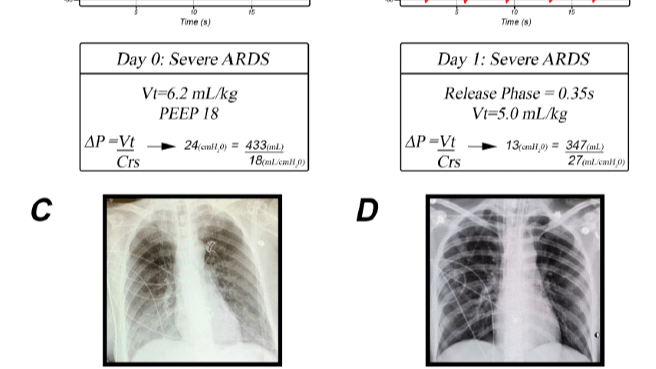
Revisiting Acute Respiratory Distress Syndrome ventilation management: Time for a paradigm shift focusing on tidal volume

Abstract: Merola and colleagues critically evaluate current Acute Respiratory Distress Syndrome (ARDS) ventilation strategies, emphasizing limitations inherent in universally applying low tidal volume (VT) strategies. They argue for personalized, physiology-driven ventilation approaches that incorporate mechanical power, compliance, and transpulmonary pressures. The authors highlight the complexity and heterogeneity of ARDS, suggesting the inadequacy of global parameters

, , , ,

Revisiting Acute Respiratory Distress Syndrome ventilation management: Time for a paradigm shift focusing on tidal volume Read Post »

Respiratory

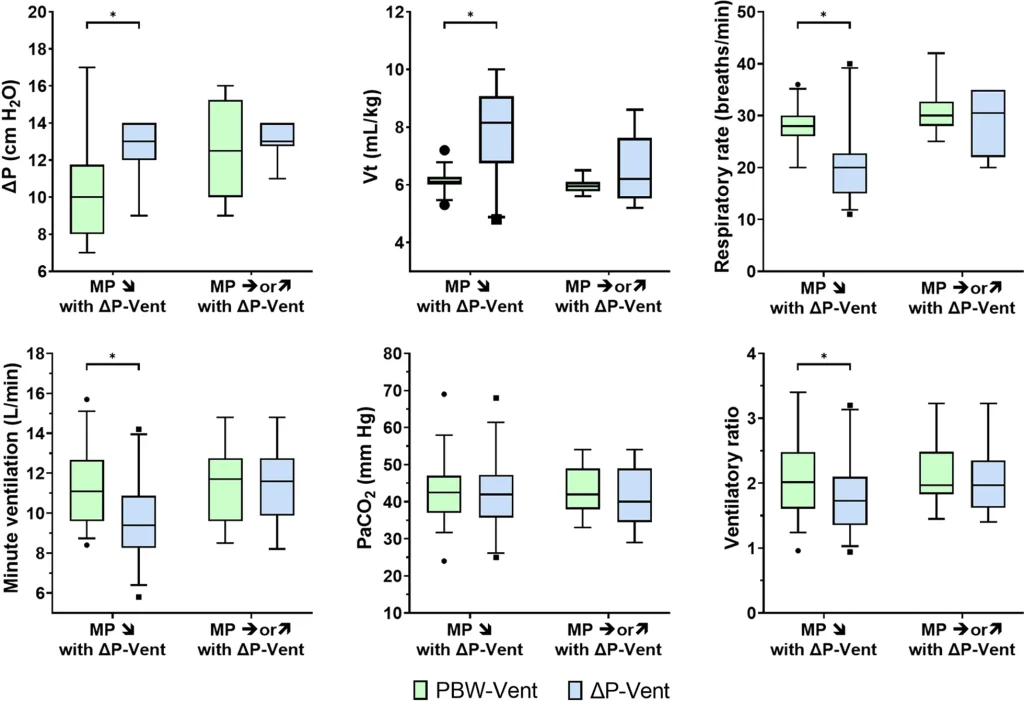
Driving pressure-guided ventilation decreases the mechanical power compared to predicted body weight-guided ventilation in the ARDS.

Summary of Driving Pressure-Guided Ventilation Decreases the Mechanical Power Compared to Predicted Body Weight-Guided Ventilation in the Acute Respiratory Distress Syndrome (Haudebourg et al.) Abstract Summary: Haudebourg et al. investigated the impact of driving pressure (ΔP)-guided ventilation versus predicted body weight (PBW)-guided ventilation on mechanical power in moderate-to-severe acute respiratory distress syndrome (ARDS) patients. Their

, ,

Driving pressure-guided ventilation decreases the mechanical power compared to predicted body weight-guided ventilation in the ARDS. Read Post »

Mechanical Ventilation

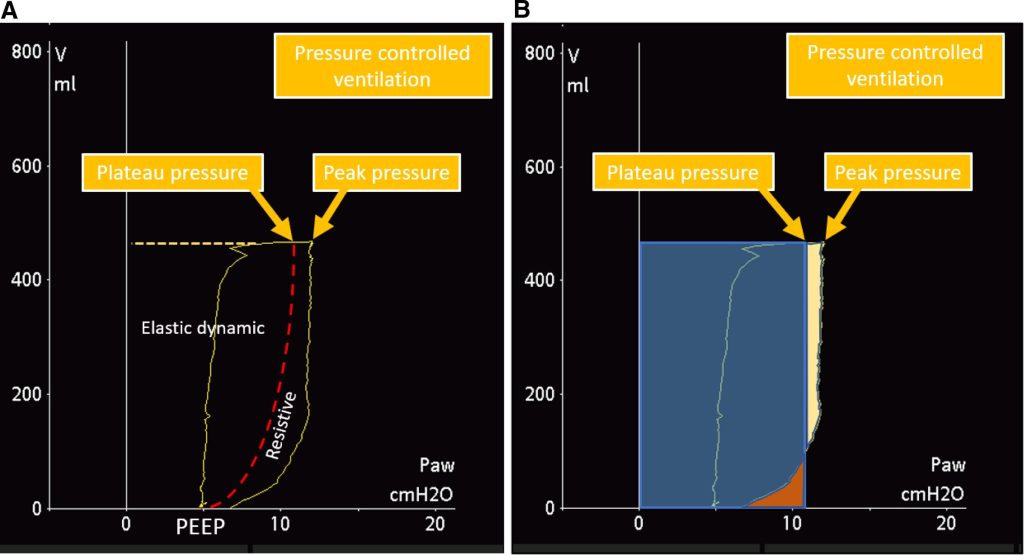
Mechanical Power in Pressure-Controlled Ventilation: A Simple and Reliable Bedside Method

Summary of Mechanical Power in Pressure-Controlled Ventilation: A Simple and Reliable Bedside Method Snoep JWM, Rietveld PJ, van der Velde-Quist F, de Jonge E, Schoe A. Crit Care Explor. 2025. Abstract This study presents a newly proposed equation for calculating mechanical power (MP) in pressure-controlled ventilation (PCV) that is both simple and accurate for bedside

, ,

Mechanical Power in Pressure-Controlled Ventilation: A Simple and Reliable Bedside Method Read Post »

Respiratory

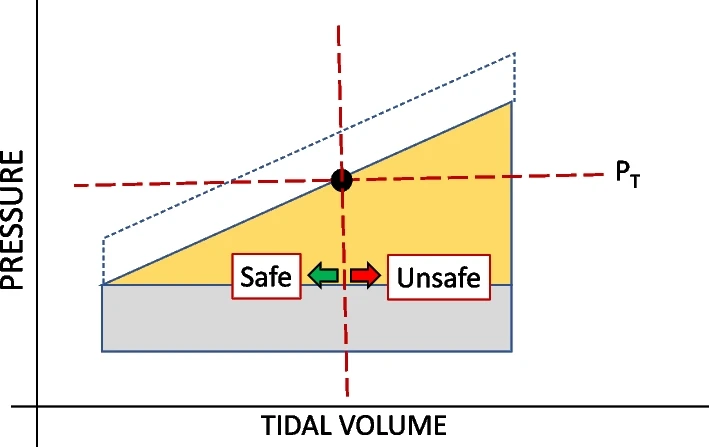
Practical assessment of risk of VILI from ventilating power: a conceptual model

Summary of “Practical Assessment of Risk of VILI from Ventilating Power: A Conceptual Model” Abstract Summary: This article introduces a conceptual model for assessing the risk of ventilator-induced lung injury (VILI) based on mechanical power and its components, such as tidal volume, driving pressure (DP), plateau pressure (Ps), and ventilating frequency. By focusing on the

, , ,

Practical assessment of risk of VILI from ventilating power: a conceptual model Read Post »

Scroll to Top