PEEP

Respiratory

Balancing the Scales: Using Ventilator Time to Counter Mass Loading

Why This Study Matters — Why You Should Read This Obesity. Abdominal compartment syndrome. Massive chest wall load. We see these patients every day. We crank up PEEP, perform recruitment maneuvers, increase pressures…and yet the lung refuses to open. So what if the problem isn’t pressure at all? What if the missing variable is time? […]

, ,

Balancing the Scales: Using Ventilator Time to Counter Mass Loading Read Post »

Respiratory

The impact of PEEP-guided electrical impedance tomography on oxygenation and respiratory mechanics in moderate-to-severe ARDS: a randomized…..

Why this study deserves your click Every ARDS patient forces us to answer the same question: “How much PEEP is enough—and how much is too much?” We usually lean on ARDSNet tables, “PEEP ladders,” or our own bias. This trial asks a different question: What happens if we let the lung tell us the right

, ,

The impact of PEEP-guided electrical impedance tomography on oxygenation and respiratory mechanics in moderate-to-severe ARDS: a randomized….. Read Post »

Circulatory, Respiratory

Managing Refractory Hypoxemia in ARDS Obese Patients with Veno-Venous Extra-Corporeal Membrane Oxygenation: A Narrative Review

Abstract Veno-venous extracorporeal membrane oxygenation (vvECMO) is a life-saving intervention for severe respiratory failure unresponsive to conventional therapies. However, managing refractory hypoxemia in morbidly obese patients poses significant challenges due to the unique physiological characteristics of this population, including hyperdynamic circulation, elevated cardiac output, and increased oxygen consumption. These factors can limit the effectiveness of

, , , , ,

Managing Refractory Hypoxemia in ARDS Obese Patients with Veno-Venous Extra-Corporeal Membrane Oxygenation: A Narrative Review Read Post »

Mechanical Ventilation

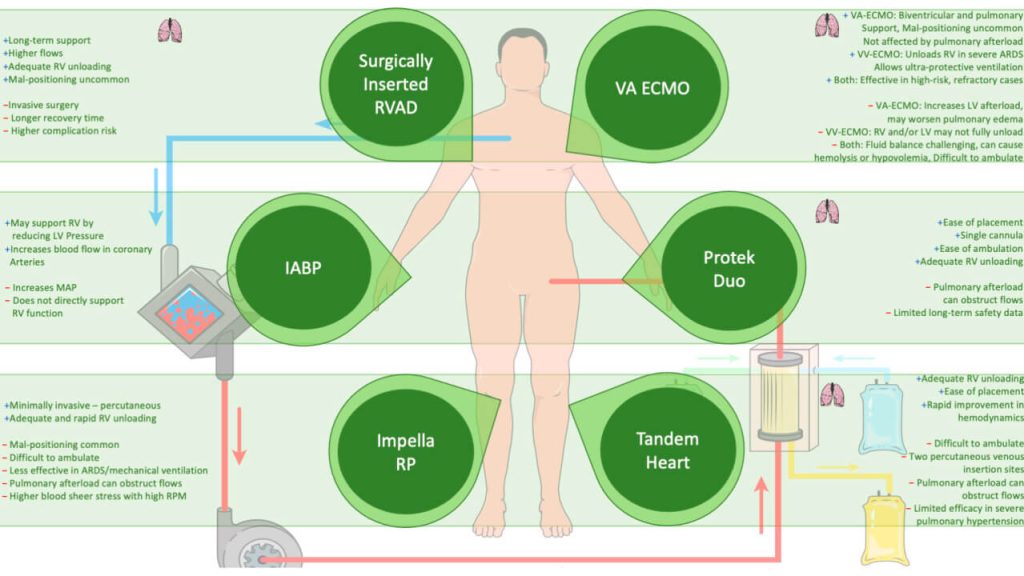
Navigating Heart–Lung Interactions in Mechanical Ventilation: Pathophysiology, Diagnosis, and Advanced Management Strategies in ARDS and Beyond

Abstract Patients in critical condition who require mechanical ventilation experience intricate interactions between their respiratory and cardiovascular systems. These complex interactions are crucial for clinicians to understand as they can significantly influence therapeutic decisions and patient outcomes. A deep understanding of heart–lung interactions is essential, particularly under the stress of mechanical ventilation, where the right

, , , , , ,

Navigating Heart–Lung Interactions in Mechanical Ventilation: Pathophysiology, Diagnosis, and Advanced Management Strategies in ARDS and Beyond Read Post »

Mechanical Ventilation

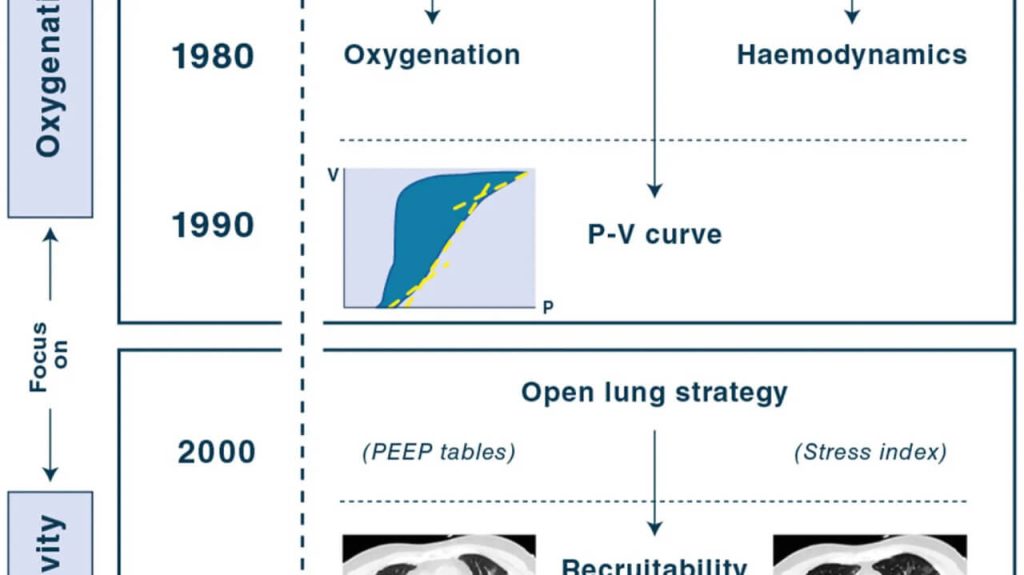
In search of the Holy Grail: identifying the best PEEP in ventilated patients

Positive end-expiratory pressure (PEEP) has been interwoven with acute respiratory distress syndrome (ARDS) since its first description by Ashbaugh et al. [1]. Thereafter, the potentially competing effects of PEEP on lung volume, gas-exchange, and hemodynamics were quickly recognized, prompting the first proposals for methods to optimize PEEP in the clinical setting. Eight years after the

,

In search of the Holy Grail: identifying the best PEEP in ventilated patients Read Post »

Scroll to Top