March 2026

Mechanical Ventilation

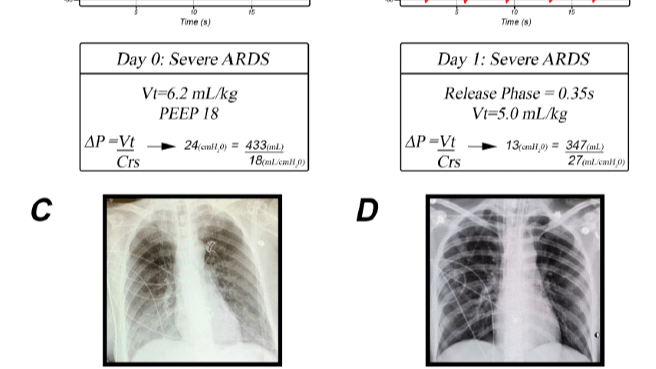
Toward optimal mechanical ventilation of the injured lung: the role of expiratory duration

Abstract This perspective challenges one of the most fundamental assumptions in ARDS ventilation: that only inspiratory forces (tidal volume, driving pressure, plateau pressure, mechanical power) shape lung injury. The authors argue that expiratory time—specifically, the rate of lung emptying—is an overlooked determinant of stress and strain. In injured lungs with low compliance and heterogeneous time […]

, ,

Toward optimal mechanical ventilation of the injured lung: the role of expiratory duration Read Post »

Respiratory

Continuous non-invasive measurement of tidal volume and minute ventilation using a smart nasal cannula

Abstract This study evaluated whether a newly developed smart nasal cannula can accurately and continuously measure tidal volume (VT) and minute ventilation (VE) in adults across a wide range of respiratory patterns using a validated benchtop model. The device uses nasal pressure and flow dynamics, derived from RPD (respiratory pressure difference) sensors, to estimate VT

, , ,

Continuous non-invasive measurement of tidal volume and minute ventilation using a smart nasal cannula Read Post »

Mechanical Ventilation

Stepwise positive end-expiratory pressure titration modulates respiratory mechanics and mechanical power in mechanically ventilated adults

Abstract This physiological study evaluated how ascending PEEP titration (0 → 4 → 8 → 12 → 16 cmH₂O) alters respiratory mechanics and mechanical power (MP) in deeply sedated adults without lung injury. Key findings show that increasing PEEP consistently and significantly raises: Total mechanical power Plateau pressure Static elastic power Total elastic workload …while

, ,

Stepwise positive end-expiratory pressure titration modulates respiratory mechanics and mechanical power in mechanically ventilated adults Read Post »

Circulatory, Respiratory

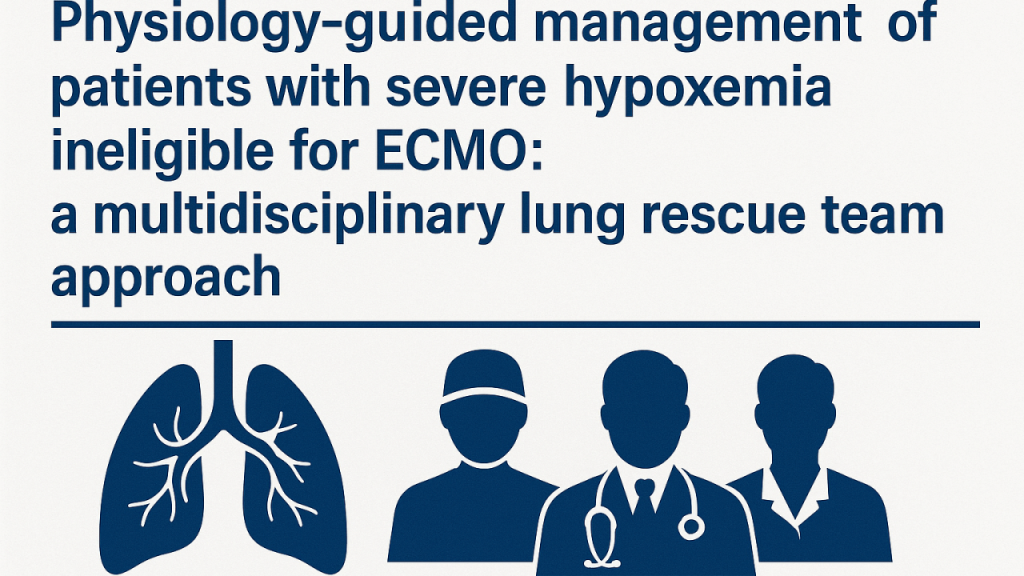
Physiology-guided management of patients with severe hypoxemia ineligible for ECMO: a multidisciplinary lung rescue team approach

Abstract Not all patients with refractory hypoxemia meet ECMO criteria — yet many still face catastrophic oxygenation failure with limited options. This study describes a physiology-guided “Lung Rescue Team (LRT)” model, designed to evaluate patients who are ineligible or borderline for ECMO by integrating mechanical ventilation physiology, multimodal imaging, hemodynamics, gas exchange, and lung recruitability

Physiology-guided management of patients with severe hypoxemia ineligible for ECMO: a multidisciplinary lung rescue team approach Read Post »

Mechanical Ventilation

Two Strategies for Reducing Mechanical Power: Adjust Ventilator Settings or Reopen the Lung? – Gary Nieman.

In the last newsletter, we discussed the roles of driving pressure (DP) [DOI: 10.1056/NEJMsa1410639] and mechanical power (MP) [DOI 10.1007/s00134-016-4505-2] as factors contributing to ventilator-induced lung injury (VILI) in patients with acute respiratory distress syndrome (ARDS). Neither DP nor MP directly causes lung damage; instead, they serve as markers indicating that VILI (excessive strain) is

Two Strategies for Reducing Mechanical Power: Adjust Ventilator Settings or Reopen the Lung? – Gary Nieman. Read Post »

Mechanical Ventilation

Association between controlled mechanical ventilation and systemic inflammation in acute hypoxemic respiratory failure: an observational cohort study

Summary Why This Study Matters This study provides rare human clinical data linking spontaneous breathing during AHRF, ventilation distribution on EIT, and systemic inflammation (IL-6). It helps clarify when transitioning from non-invasive support to controlled mechanical ventilation may reduce physiologic stress and potential P-SILI. 1. What the Investigators Wanted to Know The study examined whether

, ,

Association between controlled mechanical ventilation and systemic inflammation in acute hypoxemic respiratory failure: an observational cohort study Read Post »

Respiratory

A clinical guide to non-invasive respiratory support in acute respiratory failure: ventilation settings, technical optimization and clinical indications

Why this paper matters on a busy ICU day Non-invasive respiratory support (NIRS) is now everywhere: ED, step-down, wards, and ICU. We use HFNT, CPAP, BiPAP, facemasks, helmets — often driven by habit or availability more than physiology. Rezoagli and colleagues offer a practical, physiology-heavy roadmap for how to choose a modality, how to set

, , ,

A clinical guide to non-invasive respiratory support in acute respiratory failure: ventilation settings, technical optimization and clinical indications Read Post »

Respiratory

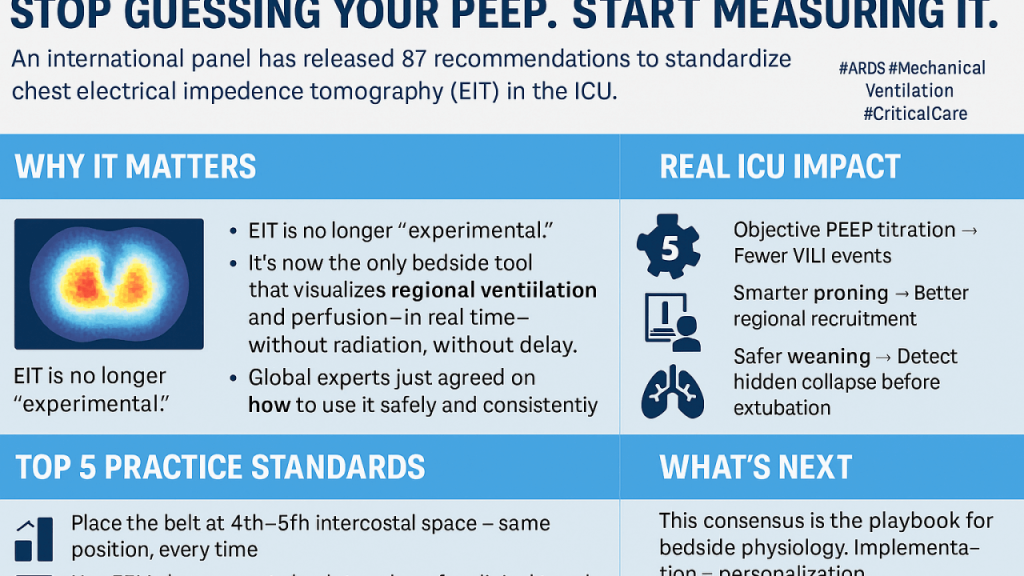
Recommendations for lung ventilation and perfusion assessment with chest electrical impedance tomography in critically ill adult patients.

Global Consensus on Electrical Impedance Tomography in Critical Care 🩺 Abstract Electrical Impedance Tomography (EIT) is a non-invasive, radiation-free imaging technology that allows continuous bedside monitoring of lung ventilation and perfusion in critically ill patients. Despite its increasing use, standardized international guidelines have been lacking. This large-scale Delphi consensus study—led by the REspiratory and Critical

, ,

Recommendations for lung ventilation and perfusion assessment with chest electrical impedance tomography in critically ill adult patients. Read Post »

Sepsis

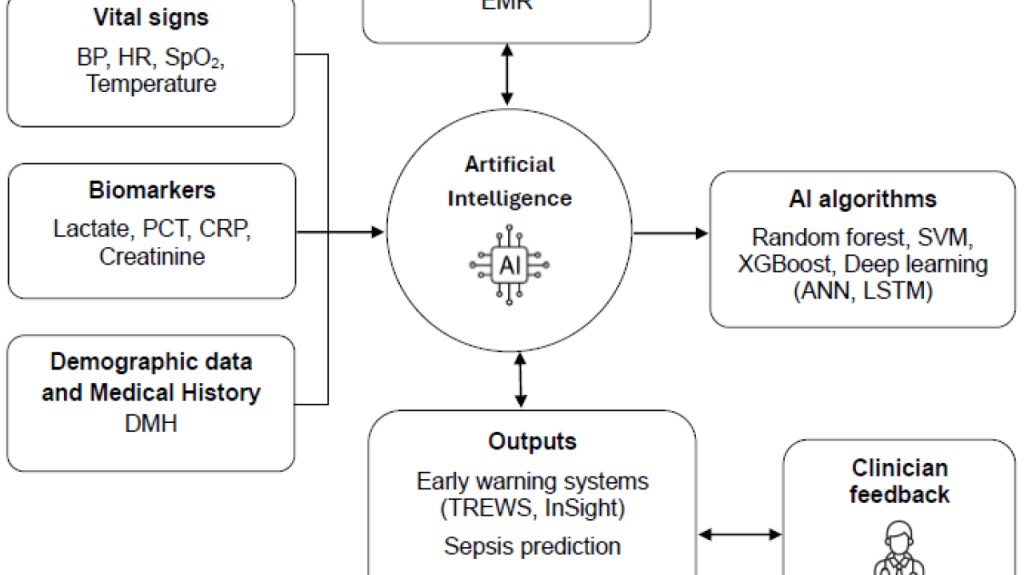
The Potential of Artificial Intelligence in the Diagnosis and Prognosis of Sepsis: A Narrative Review

Abstract Sepsis, one of the leading causes of ICU mortality worldwide, remains a diagnostic and therapeutic challenge due to its nonspecific presentation and rapidly evolving course. In this narrative review, Tocu and colleagues explore the emerging role of artificial intelligence (AI) in diagnosing and predicting sepsis. Drawing from 45 studies between 2016 and 2024, the

,

The Potential of Artificial Intelligence in the Diagnosis and Prognosis of Sepsis: A Narrative Review Read Post »

Circulatory, Respiratory

Radiomics-enhanced modelling approach for predicting the need for ECMO in ARDS patients: a retrospective cohort study

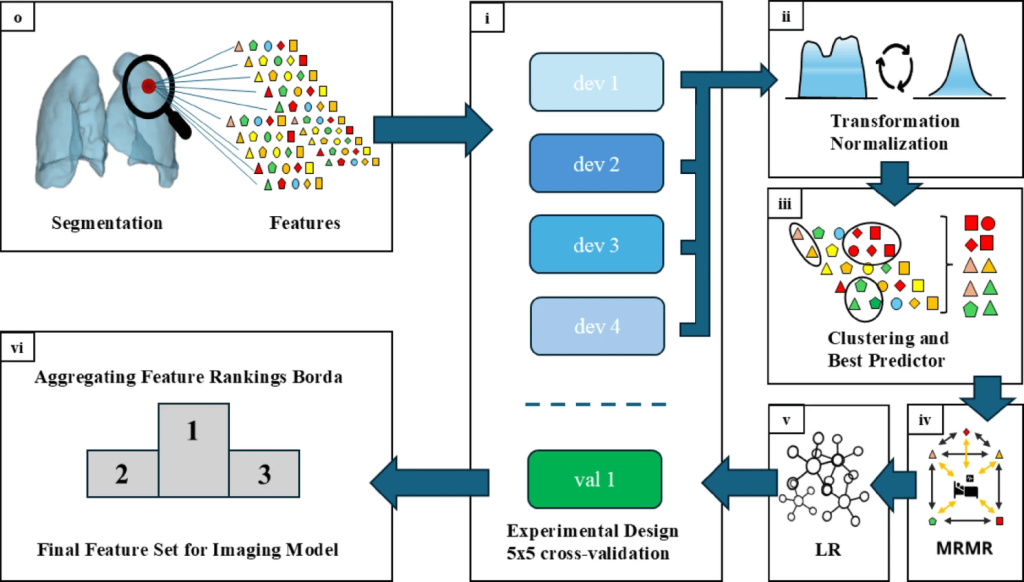
Predicting ECMO Before It’s Too Late: When Radiomics Meets Critical Care 🩺 Abstract The decision to initiate ECMO in patients with severe ARDS remains one of the most challenging and time-sensitive in critical care. In this retrospective cohort of 375 adults with COVID-19–associated ARDS, researchers from Germany explored whether combining quantitative CT radiomics with clinical

, , ,

Radiomics-enhanced modelling approach for predicting the need for ECMO in ARDS patients: a retrospective cohort study Read Post »

Scroll to Top