ecmo

Respiratory

Recent Advances and Future Directions in Extracorporeal Carbon Dioxide Removal

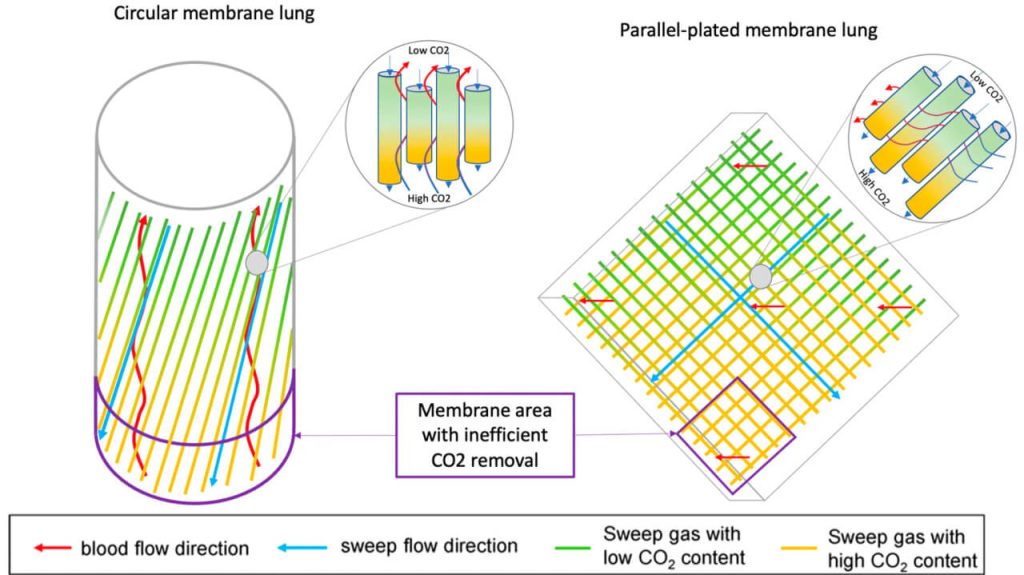
Abstract Extracorporeal carbon dioxide removal (ECCO2R) is an emerging technique designed to reduce carbon dioxide (CO2) levels in venous blood while enabling lung-protective ventilation or alleviating the work of breathing. Unlike high-flow extracorporeal membrane oxygenation (ECMO), ECCO2R operates at lower blood flows (0.4–1.5 L/min), making it less invasive, with smaller cannulas and simpler devices. Despite […]

, , , , , ,

Recent Advances and Future Directions in Extracorporeal Carbon Dioxide Removal Read Post »

Circulatory, Respiratory

Managing Refractory Hypoxemia in ARDS Obese Patients with Veno-Venous Extra-Corporeal Membrane Oxygenation: A Narrative Review

Abstract Veno-venous extracorporeal membrane oxygenation (vvECMO) is a life-saving intervention for severe respiratory failure unresponsive to conventional therapies. However, managing refractory hypoxemia in morbidly obese patients poses significant challenges due to the unique physiological characteristics of this population, including hyperdynamic circulation, elevated cardiac output, and increased oxygen consumption. These factors can limit the effectiveness of

, , , , ,

Managing Refractory Hypoxemia in ARDS Obese Patients with Veno-Venous Extra-Corporeal Membrane Oxygenation: A Narrative Review Read Post »

Circulatory

Recent Advances and Future Directions in Extracorporeal Carbon Dioxide Removal

Summary of “Recent Advances and Future Directions in Extracorporeal Carbon Dioxide Removal” Abstract Extracorporeal carbon dioxide removal (ECCO₂R) is an emerging technique designed to facilitate lung-protective ventilation and reduce the work of breathing by removing CO₂ from venous blood. Operating at lower blood flows than extracorporeal membrane oxygenation (ECMO), ECCO₂R reduces procedural invasiveness but remains

,

Recent Advances and Future Directions in Extracorporeal Carbon Dioxide Removal Read Post »

Circulatory

Immediate Clinical Complications Occurring During Membrane Change in Patients on Veno-Venous Extracorporeal Membrane Oxygenation

Abstract The clinical tolerance of extracorporeal membrane oxygenation (ECMO) membrane changes in acute respiratory distress syndrome (ARDS) patients under veno-venous ECMO (VV-ECMO) has not been reported. The aim of this study was to describe the tolerance of membrane change. Patients requiring VV-ECMO were retrospectively included between March 2020 and May 2022. In case of membrane

, , ,

Immediate Clinical Complications Occurring During Membrane Change in Patients on Veno-Venous Extracorporeal Membrane Oxygenation Read Post »

Circulatory, Respiratory

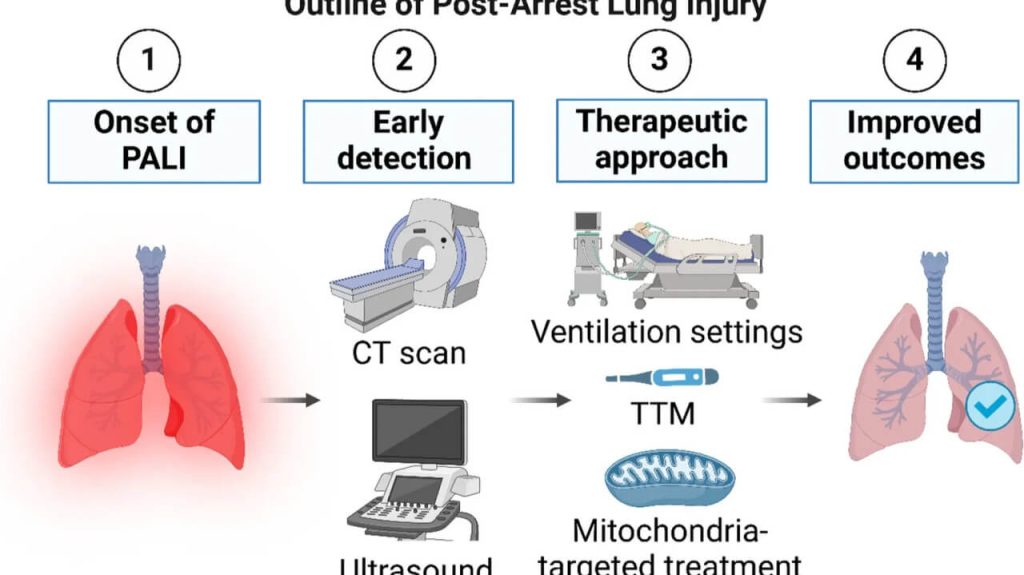
Acute lung injury and post-cardiac arrest syndrome: a narrative review

Abstract Background Post-cardiac arrest syndrome (PCAS) presents a multifaceted challenge in clinical practice, characterized by severe neurological injury and high mortality rates despite advancements in management strategies. One of the important critical aspects of PCAS is post-arrest lung injury (PALI), which significantly contributes to poor outcomes. PALI arises from a complex interplay of pathophysiological mechanisms,

, , , , , , ,

Acute lung injury and post-cardiac arrest syndrome: a narrative review Read Post »

Uncategorized

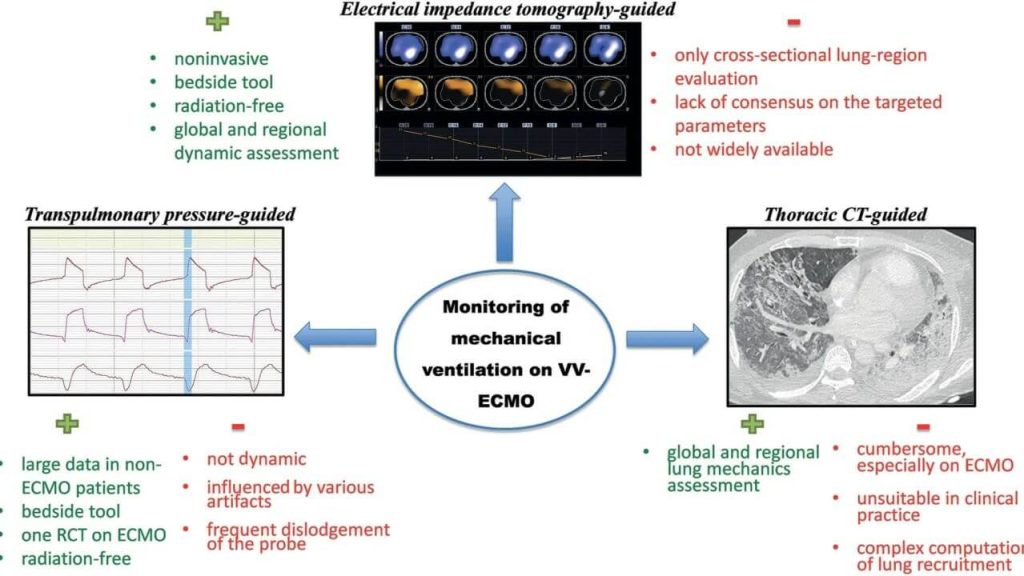
Setting and Monitoring of Mechanical Ventilation During Venovenous ECMO

Abstract This review provides insights into the management of mechanical ventilation during venovenous extracorporeal membrane oxygenation (VV-ECMO) for severe acute respiratory distress syndrome (ARDS). It focuses on strategies to minimize ventilator-induced lung injury (VILI) by employing ultra-lung-protective ventilation, exploring key parameters like tidal volume, plateau pressure, and driving pressure. Key Points Lung Rest Strategy: VV-ECMO

, , ,

Setting and Monitoring of Mechanical Ventilation During Venovenous ECMO Read Post »

Circulatory

The effects of blood cell salvage on transfusion requirements after decannulation from veno-venous extracorporeal membrane oxygenation: an emulated trial analysis

Abstract Background Veno-venous extracorporeal membrane oxygenation (VV-ECMO) is a supportive therapy for acute respiratory failure with increased risk of packed red blood cells (PRBC) transfusion. Blood cell salvage (BCS) aims to reduce blood transfusion, but its efficacy is unclear. This study aimed to estimate the effect of BCS at the time of removal of the

, , ,

The effects of blood cell salvage on transfusion requirements after decannulation from veno-venous extracorporeal membrane oxygenation: an emulated trial analysis Read Post »

Circulatory

Anticoagulation management during veno-venous ECMO support because of ARDS: Single-center experience

Abstract   Background Patients with severe acute respiratory distress syndrome (ARDS) show a high mortality rate of up to 60 %. In such cases, extracorporeal membrane oxygenation (ECMO) support is often required, which would necessitate anticoagulation therapy, predominantly with heparin. Some bleeding events occurred more frequently in patients during the COVID-19 pandemic who were on venovenous

, , , , ,

Anticoagulation management during veno-venous ECMO support because of ARDS: Single-center experience Read Post »

Circulatory

ECMO-weaning facilitated by neurally adjusted ventilatory assist (NAVA): a case for principal clarification

Abstract The use of veno-venous extracorporeal membrane oxygenation (VV-ECMO) has become increasingly prevalent, particularly in respiratory disease pandemics such as H1N1-influenza and SARS-CoV-2. This surge has emphasized the importance of clear therapy recommendations, improved accessibility to ECMO technology, established ECMO teams, and structured networks to ensure access to specialized care throughout the course of the

, , , , , ,

ECMO-weaning facilitated by neurally adjusted ventilatory assist (NAVA): a case for principal clarification Read Post »

Circulatory

Fever following extracorporeal membrane oxygenation decannulation: Infection, thrombosis or just physiology?

Abstract   Purpose Fever is frequent after extracorporeal membrane oxygenation (ECMO) decannulation. We aimed to evaluate the incidence of post-decannulation fever and describe its causes. Methods Adult ECMO patients who were successfully weaned from ECMO were retrospectively included. Minimal and maximal core temperatures were collected daily for each patient from 48 h before decannulation up to

, ,

Fever following extracorporeal membrane oxygenation decannulation: Infection, thrombosis or just physiology? Read Post »

Scroll to Top