weaning

Pulmonary

Incidence and risk factors of weaning-induced pulmonary oedema: results from a multicentre, observational study

Summary of “Incidence and risk factors of weaning-induced pulmonary oedema: results from a multicentre, observational study” Abstract This multicenter observational study evaluated the incidence and risk factors of weaning-induced pulmonary oedema (WIPO) in critically ill patients during spontaneous breathing trials (SBTs). Conducted across 13 ICUs in France, Italy, and India, the study revealed that WIPO […]

, ,

Incidence and risk factors of weaning-induced pulmonary oedema: results from a multicentre, observational study Read Post »

Mechanical Ventilation

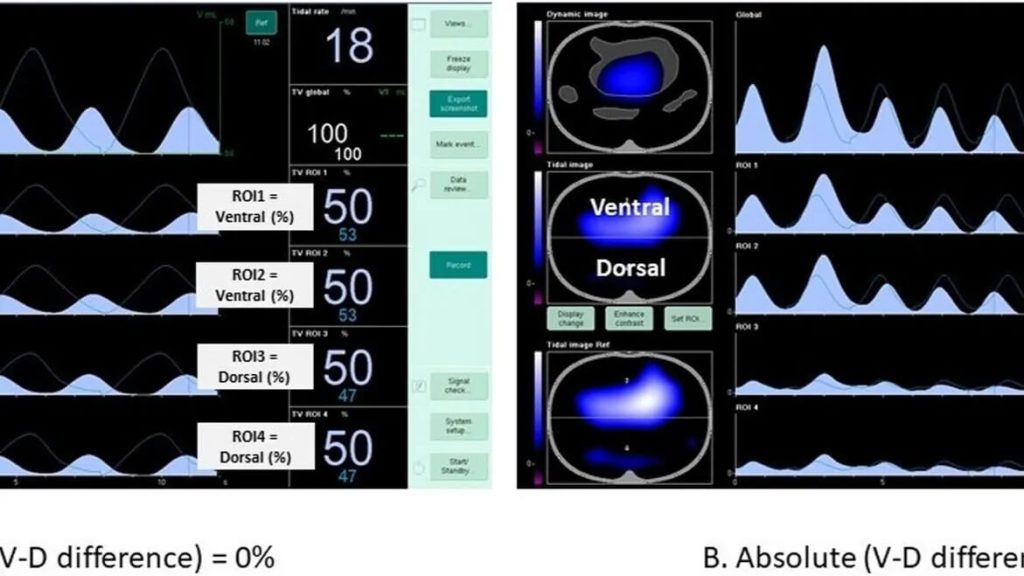
Ventilation distribution during spontaneous breathing trials predicts liberation from mechanical ventilation: the VISION study

Abstract Background Predicting complete liberation from mechanical ventilation (MV) is still challenging. Electrical impedance tomography (EIT) offers a non-invasive measure of regional ventilation distribution and could bring additional information. Research question. Whether the display of regional ventilation distribution during a Spontaneous Breathing Trial (SBT) could help at predicting early and successful liberation from MV. Study

, , ,

Ventilation distribution during spontaneous breathing trials predicts liberation from mechanical ventilation: the VISION study Read Post »

Mechanical Ventilation

Prolonged weaning from mechanical ventilation: who, what, when and how?

Abstract Weaning from invasive mechanical ventilation is an important part of the management of respiratory failure patients. Patients can be classified into those who wean on the first attempt (simple weaning), those who require up to three attempts (difficult weaning) and those who require more than three attempts (prolonged weaning). The process of weaning includes

, , ,

Prolonged weaning from mechanical ventilation: who, what, when and how? Read Post »

Uncategorized

Weaning of non COPD patients at high-risk of extubation failure assessed by lung ultrasound: the WIN IN WEAN multicentre randomised controlled trial

Abstract Background Postextubation respiratory failure (PRF) frequently complicates weaning from mechanical ventilation and may increase morbidity/mortality. Noninvasive ventilation (NIV) alternating with high-flow nasal oxygen (HFNO) may prevent PRF. Methods Ventilated patients without chronic obstructive pulmonary disease (COPD) and at high-risk of PRF defined as a lung ultrasound score (LUS) ≥ 14 assessed during the spontaneous breathing trial,

, , , ,

Weaning of non COPD patients at high-risk of extubation failure assessed by lung ultrasound: the WIN IN WEAN multicentre randomised controlled trial Read Post »

Mechanical Ventilation, Miscellaneous

How we use ultrasound in the management of weaning from mechanical ventilation

Difficult weaning from invasive mechanical ventilation is associated with adverse clinical outcome and increased use of limited health care resources. Difficult weaning, characterized by failure of multiple spontaneous breathing trails (SBTs), can result from several causes, including impaired function of lung, heart, and respiratory pump [1]. In this editorial, we discuss how ultrasound may facilitate

, , ,

How we use ultrasound in the management of weaning from mechanical ventilation Read Post »

Circulatory

ECMO-weaning facilitated by neurally adjusted ventilatory assist (NAVA): a case for principal clarification

Abstract The use of veno-venous extracorporeal membrane oxygenation (VV-ECMO) has become increasingly prevalent, particularly in respiratory disease pandemics such as H1N1-influenza and SARS-CoV-2. This surge has emphasized the importance of clear therapy recommendations, improved accessibility to ECMO technology, established ECMO teams, and structured networks to ensure access to specialized care throughout the course of the

, , , , , ,

ECMO-weaning facilitated by neurally adjusted ventilatory assist (NAVA): a case for principal clarification Read Post »

Respiratory

The Ventilatory Ratio as a Predictor of Successful Weaning from a Veno-Venous Extracorporeal Membrane Oxygenator

Abstract Background: Veno-venous extracorporeal membrane oxygenation (VV-ECMO) is a critical intervention for patients with severe lung failure, especially acute respiratory distress syndrome (ARDS). The weaning process from ECMO relies largely on expert opinion due to a lack of evidence-based guidelines. The ventilatory ratio (VR), which correlates with dead space and mortality in ARDS, is calculated

, , ,

The Ventilatory Ratio as a Predictor of Successful Weaning from a Veno-Venous Extracorporeal Membrane Oxygenator Read Post »

Mechanical Ventilation

Predictors of weaning failure in ventilated intensive care patients: a systematic evidence map

Abstract Background Ventilator weaning is of great importance for intensive care patients in order to avoid complications caused by prolonged ventilation. However, not all patients succeed in weaning immediately. Their spontaneous breathing may be insufficient, resulting in extubation failure and the subsequent need for reintubation. To identify patients at high risk for weaning failure, a

, , ,

Predictors of weaning failure in ventilated intensive care patients: a systematic evidence map Read Post »

Scroll to Top