Mechanical Ventilation

Prolonged weaning from mechanical ventilation: who, what, when and how?

Abstract Weaning from invasive mechanical ventilation is an important part of the management of respiratory failure patients. Patients can be classified into those who wean on the first attempt (simple weaning), those who require up to three attempts (difficult weaning) and those who require more than three attempts (prolonged weaning). The process of weaning includes […]

, , ,

Prolonged weaning from mechanical ventilation: who, what, when and how? Read Post »

Uncategorized

Extracorporeal Cardiopulmonary Resuscitation—Where Do We Currently Stand?

Abstract Extracorporeal cardiopulmonary resuscitation (eCPR) is a method of acute resuscitation for patients who have suffered a cardiac arrest through the utilization of an extracorporeal membrane oxygenation (ECMO) pump. The use and efficacy of eCPR is an active area of investigation with ongoing clinical investigation across the world. Since its inception, ECMO has been utilized

, , ,

Extracorporeal Cardiopulmonary Resuscitation—Where Do We Currently Stand? Read Post »

Respiratory

Impact of airway closure and lung collapse on inhaled nitric oxide effect in acute lung injury: an experimental study

Abstract Background Efficacy of inhaled therapy such as Nitric Oxide (iNO) during mechanical ventilation may depend on airway patency. We hypothesized that airway closure and lung collapse, countered by positive end-expiratory pressure (PEEP), influence iNO efficacy. This could support the role of an adequate PEEP titration for inhalation therapy. The main aim of this study

, , , ,

Impact of airway closure and lung collapse on inhaled nitric oxide effect in acute lung injury: an experimental study Read Post »

Respiratory

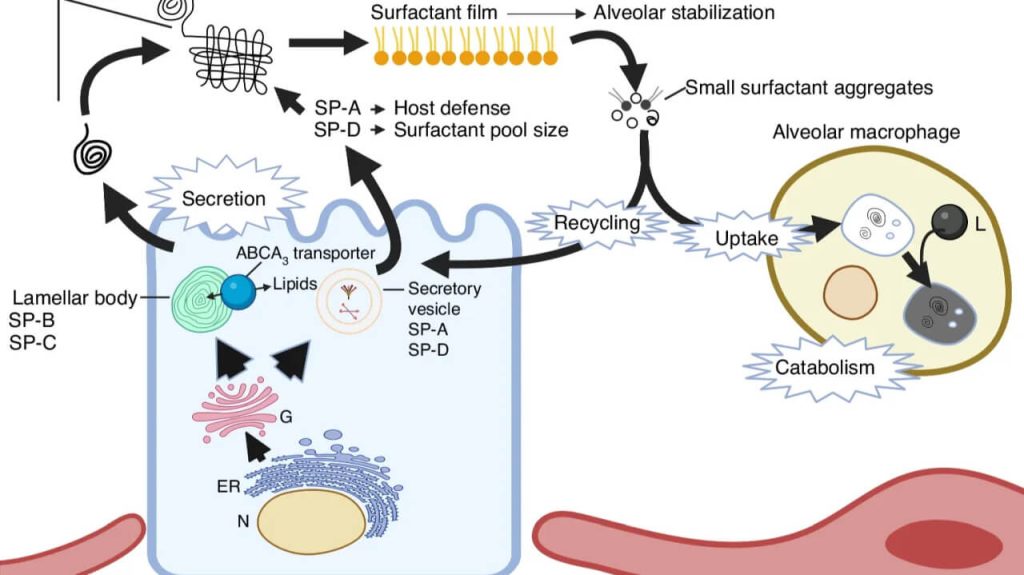
Respiratory distress syndrome is the poster child for neonatology

Introduction My goal is to discuss the significant improvement in mortality rates for respiratory distress syndrome (RDS) due to new therapies. In the 1950s and 1960s, mortality rates were approximately 50% (Fig. 1); however, with the introduction of CPAP, surfactant therapy, antenatal steroids, and mechanical ventilation, today’s mortality rate has dropped to less than 2%. This

, ,

Respiratory distress syndrome is the poster child for neonatology Read Post »

Sepsis

The role of phospholipid transfer protein in sepsis-associated acute kidney injury

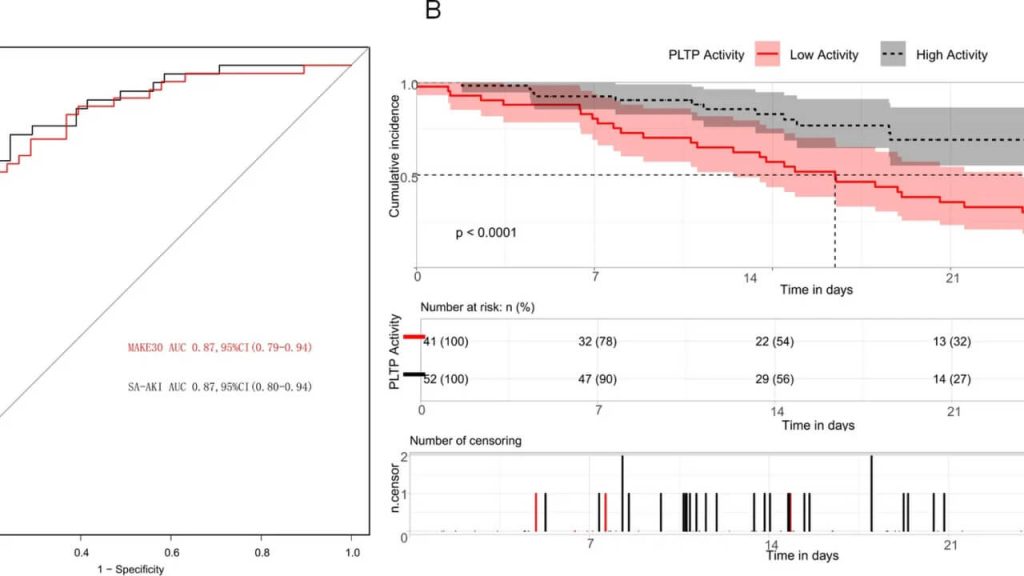
Abstract Background Phospholipid transfer protein (PLTP), a glycoprotein widely expressed in the body, is primarily involved in plasma lipoprotein metabolism. Previous research has demonstrated that PLTP can exert anti-inflammatory effects and improve individual survival in patients with sepsis and endotoxemia by neutralizing LPS and facilitating LPS clearance. However, the role of PLTP in sepsis-associated acute

, , ,

The role of phospholipid transfer protein in sepsis-associated acute kidney injury Read Post »

Neurology

Metabolomic in severe traumatic brain injury: exploring primary, secondary injuries, diagnosis, and severity

Abstract Background Traumatic brain injury (TBI) is a major public health concern worldwide, contributing to high rates of injury-related death and disability. Severe traumatic brain injury (sTBI), although it accounts for only 10% of all TBI cases, results in a mortality rate of 30–40% and a significant burden of disability in those that survive. This

, , , ,

Metabolomic in severe traumatic brain injury: exploring primary, secondary injuries, diagnosis, and severity Read Post »

Circulatory, Respiratory

Acute lung injury and post-cardiac arrest syndrome: a narrative review

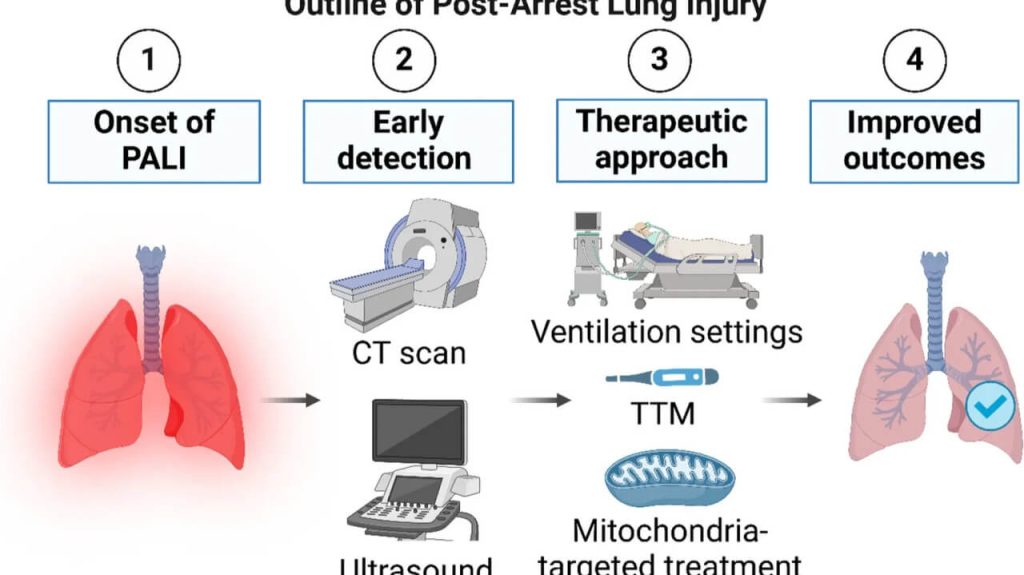
Abstract Background Post-cardiac arrest syndrome (PCAS) presents a multifaceted challenge in clinical practice, characterized by severe neurological injury and high mortality rates despite advancements in management strategies. One of the important critical aspects of PCAS is post-arrest lung injury (PALI), which significantly contributes to poor outcomes. PALI arises from a complex interplay of pathophysiological mechanisms,

, , , , , , ,

Acute lung injury and post-cardiac arrest syndrome: a narrative review Read Post »

Miscellaneous, Respiratory

Distribution of airway pressure opening in the lungs measured with electrical impedance tomography (POET): a prospective physiological study

Abstract Background In patients with acute hypoxemic respiratory failure (AHRF) under mechanical ventilation, the change in pressure slope during a low-flow insufflation indicates a global airway opening pressure (AOP) needed to reopen closed airways and may be used for titration of positive end-expiratory pressure. Objectives To understand 1) if airways open homogeneously inside the lungs

, , , ,

Distribution of airway pressure opening in the lungs measured with electrical impedance tomography (POET): a prospective physiological study Read Post »

Respiratory

High-flow nasal oxygen is the reference treatment in acute hypoxemic respiratory failure: Con

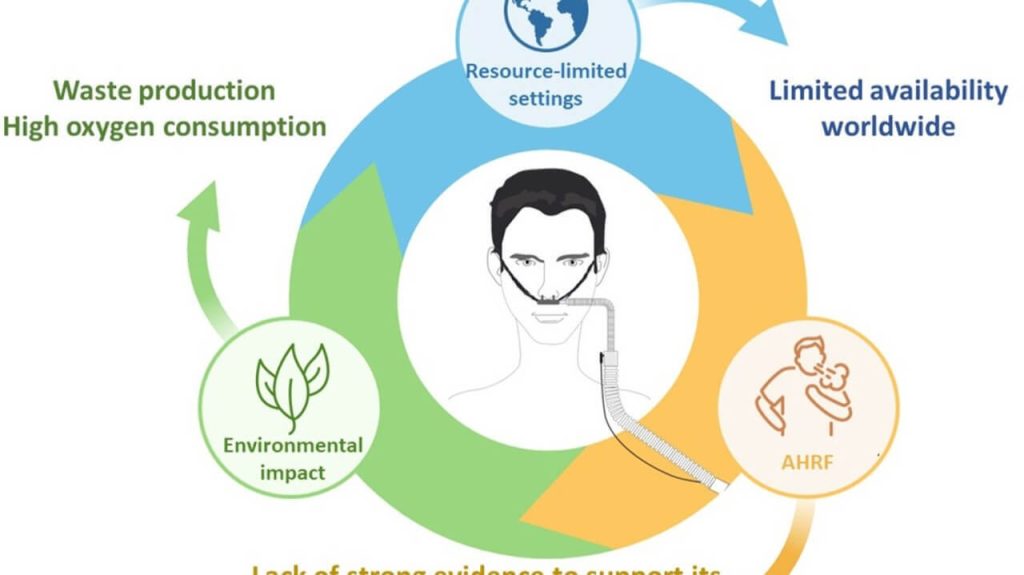
Abstract Over the past decade and boosted by the coronavirus disease 2019 (COVID-19) pandemic, high-flow nasal oxygen (HFNO) has been increasingly used in the intensive care unit (ICU) to treat acute hypoxemic respiratory failure (AHRF). In this review, we show that despite this wide and rapid increase in the use of HFNO to treat AHRF,

, , , , ,

High-flow nasal oxygen is the reference treatment in acute hypoxemic respiratory failure: Con Read Post »

Pharmacological Insights in Critical Care

Pharmacogenetics and the Blood–Brain Barrier: A Whirlwind Tour of Potential Clinical Utility

Abstract Genetic factors influence medication response (pharmacogenetics), affecting the pharmacodynamics and pharmacokinetics of many medicaments used in clinical care. The ability of medications to cross the blood–brain barrier (BBB) represents a critical putative factor in the effectiveness and tolerability of various medications relevant to central nervous system disorders (CNS), cancer, and broader medical conditions at

Pharmacogenetics and the Blood–Brain Barrier: A Whirlwind Tour of Potential Clinical Utility Read Post »

Scroll to Top