Sepsis

Host Response Biomarkers for Sepsis in the Emergency Room

Abstract This review explores the role of host response biomarkers in diagnosing, prognosticating, and managing sepsis in the emergency room (ER). It highlights the benefits of traditional biomarkers like procalcitonin (PCT) and C-reactive protein (CRP) and emerging tools from transcriptomics, proteomics, and metabolomics to improve patient outcomes and advance precision medicine in sepsis care. Key […]

, , , ,

Host Response Biomarkers for Sepsis in the Emergency Room Read Post »

Respiratory

Hemodynamic Implications of Prone Positioning in Patients with ARDS

Abstract This review investigates the hemodynamic effects of prone positioning in patients with acute respiratory distress syndrome (ARDS). It highlights how prone positioning influences venous return, right ventricular (RV) and left ventricular (LV) preload, and afterload. Additionally, it evaluates techniques for detecting fluid responsiveness during prone positioning, essential for optimizing fluid therapy and overall patient

, ,

Hemodynamic Implications of Prone Positioning in Patients with ARDS Read Post »

Neurology

Quality improvement in the determination of death by neurologic criteria around the world

Abstract This article discusses global variations in policies and practices for determining death by neurologic criteria (DNC). It highlights efforts to improve standardization and accuracy, emphasizing the importance of adhering to the World Brain Death Project (WBDP) guidelines. The paper also reviews confounders, complications, and special considerations for pediatric patients in DNC determination. Key Points

, ,

Quality improvement in the determination of death by neurologic criteria around the world Read Post »

Uncategorized

Setting and Monitoring of Mechanical Ventilation During Venovenous ECMO

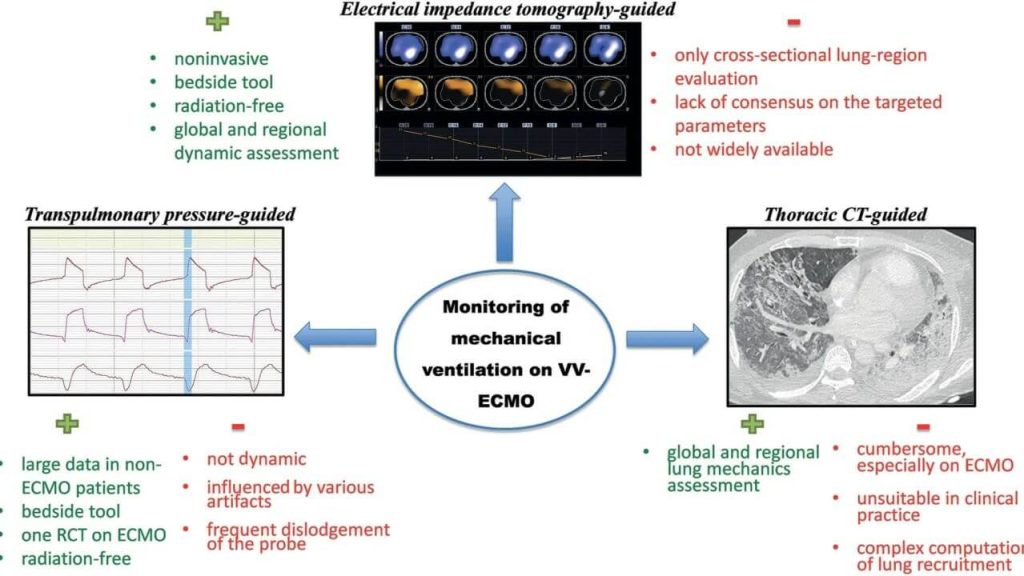
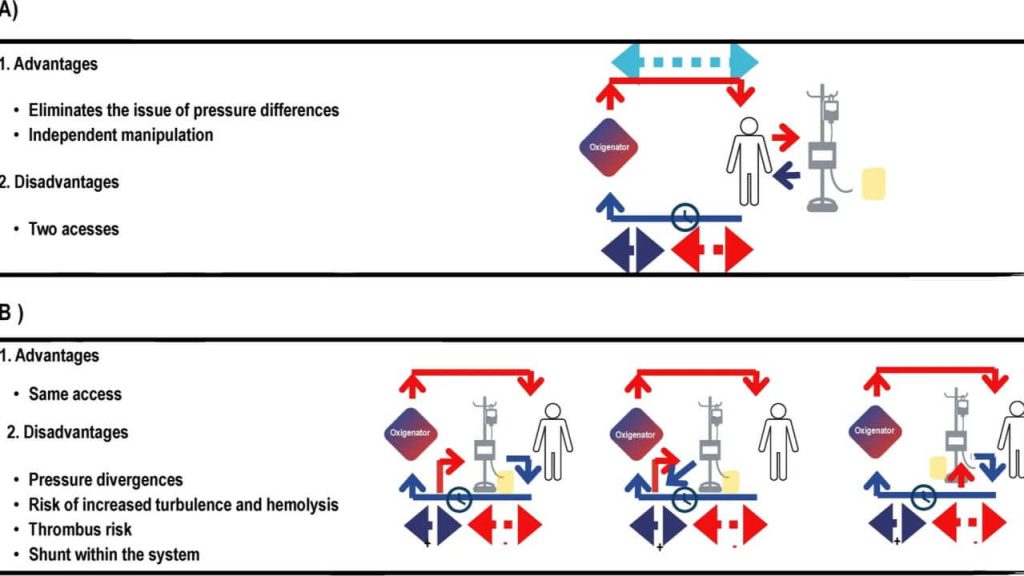
Abstract This review provides insights into the management of mechanical ventilation during venovenous extracorporeal membrane oxygenation (VV-ECMO) for severe acute respiratory distress syndrome (ARDS). It focuses on strategies to minimize ventilator-induced lung injury (VILI) by employing ultra-lung-protective ventilation, exploring key parameters like tidal volume, plateau pressure, and driving pressure. Key Points Lung Rest Strategy: VV-ECMO

, , ,

Setting and Monitoring of Mechanical Ventilation During Venovenous ECMO Read Post »

Circulatory

Management of Hemorrhagic Shock: Physiology Approach, Timing and Strategies

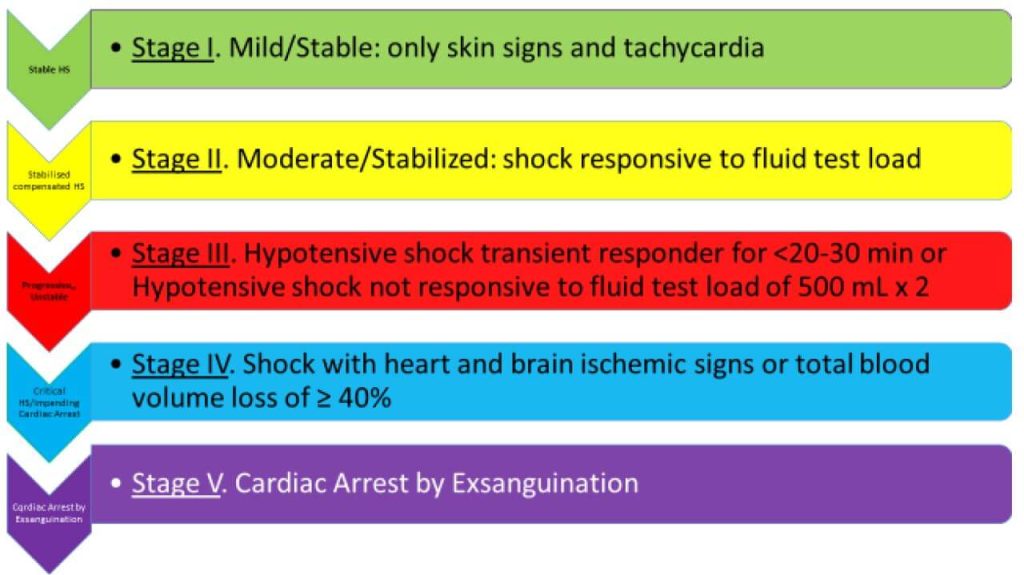
Abstract Hemorrhagic shock (HS) management is based on a timely, rapid, definitive source control of bleeding/s and on blood loss replacement. Stopping the hemorrhage from progressing from any named and visible vessel is the main stem fundamental praxis of efficacy and effectiveness and an essential, obligatory, life-saving step. Blood loss replacement serves the purpose of

, , ,

Management of Hemorrhagic Shock: Physiology Approach, Timing and Strategies Read Post »

Sepsis

Advances and Challenges in Sepsis Management: Modern Tools and Future Directions

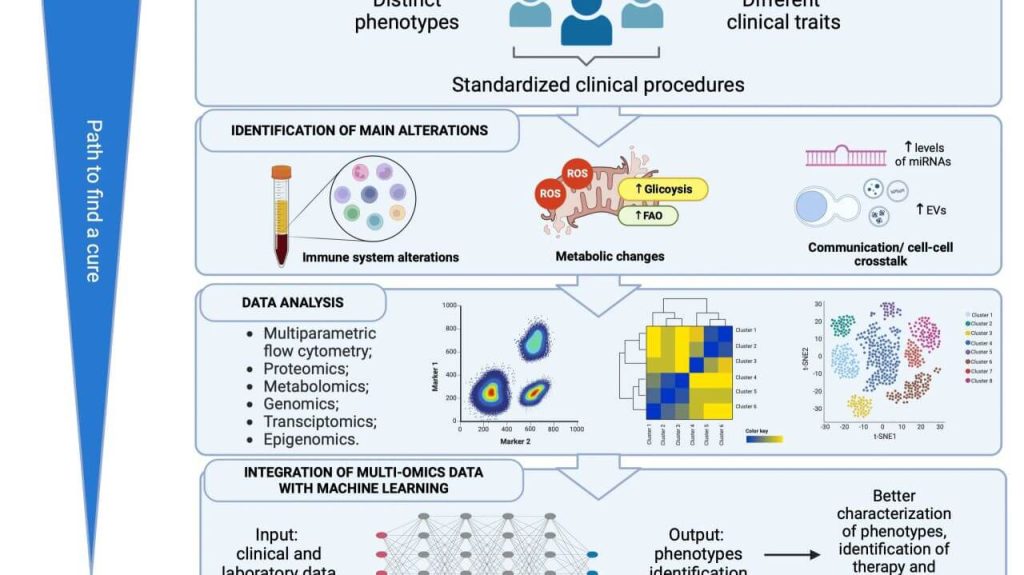
Abstract Sepsis, a critical condition marked by systemic inflammation, profoundly impacts both innate and adaptive immunity, often resulting in lymphopenia. This immune alteration can spare regulatory T cells (Tregs) but significantly affects other lymphocyte subsets, leading to diminished effector functions, altered cytokine profiles, and metabolic changes. The complexity of sepsis stems not only from its

, , ,

Advances and Challenges in Sepsis Management: Modern Tools and Future Directions Read Post »

Miscellaneous

Assessing fluid responsiveness with ultrasound in the neonatal intensive care setting: the mini-fluid challenge

Abstract The mini-fluid challenge (MFC) can guide individualised fluid therapy and prevent fluid overload and associated morbidity in adult intensive care patients. This ultrasound test is based on the Frank-Starling principles to assess dynamic fluid responsiveness, but limited MFC data exists for newborns. This brief report describes the feasibility of the MFC in 12 preterm infants

, , ,

Assessing fluid responsiveness with ultrasound in the neonatal intensive care setting: the mini-fluid challenge Read Post »

Mechanical Ventilation, Miscellaneous

Echocardiography in the Ventilated Patient: What the Clinician Has to Know

Abstract Heart and lung sharing the same anatomical space are influenced by each other. Spontaneous breathing induces dynamic changes in intrathoracic pressure, impacting cardiac function, particularly the right ventricle. In intensive care units (ICU), mechanical ventilation (MV) and therefore positive end-expiratory pressure (PEEP) are often applied, and this inevitably influences cardiac function. In ventilated patients,

, , , , , ,

Echocardiography in the Ventilated Patient: What the Clinician Has to Know Read Post »

Neurology

Neuromodulation in the intensive care unit

Neuromodulation, through various forms of invasive and noninvasive stimulations at the central or peripheral level, can enhance or suppress neural activities, offering the potential for therapeutic intervention. Studies of neuromodulation have reported intriguing clinical outcomes and promising application prospects across various disciplines, particularly in the realm of novel therapeutic modalities. Critically ill patients are commonly

, , ,

Neuromodulation in the intensive care unit Read Post »

Circulatory, Renal

Advancements in understanding the mechanisms of lung–kidney crosstalk

Abstract This narrative review delves into the intricate interplay between the lungs and the kidneys, with a focus on elucidating the pathogenesis of diseases influenced by immunological factors, acid–base regulation, and blood gas disturbances, as well as assessing the effects of various therapeutic modalities on these interactions. Key disorders, such as anti-glomerular basement membrane (anti-GBM)

, , , , , ,

Advancements in understanding the mechanisms of lung–kidney crosstalk Read Post »

Scroll to Top