mechanical ventilation

Mechanical Ventilation

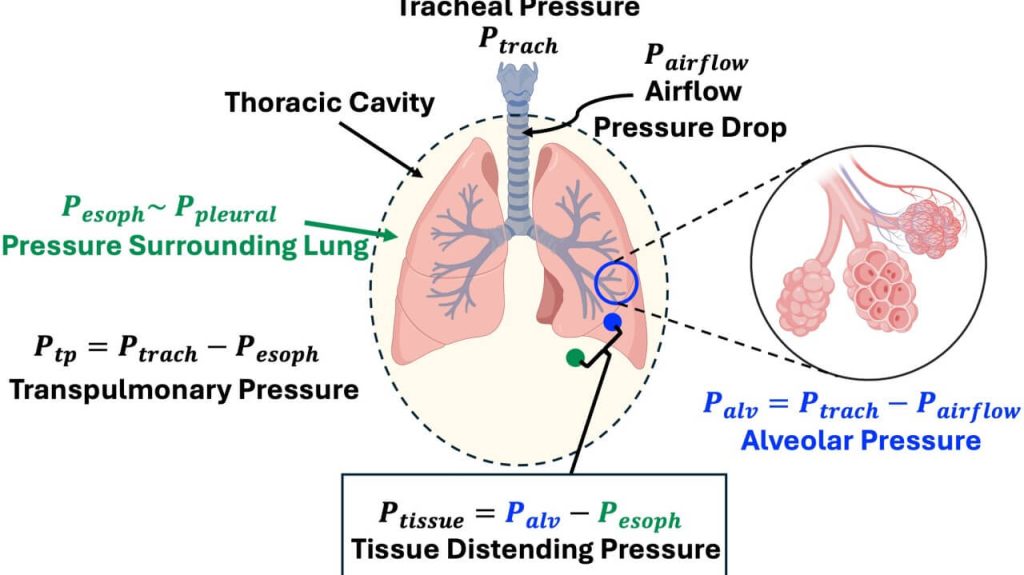
Mechanical ventilation energy analysis: Recruitment focuses injurious power in the ventilated lung

Abstract The progression of acute respiratory distress syndrome (ARDS) from its onset due to disease or trauma to either recovery or death is poorly understood. Currently, there are no generally accepted treatments aside from supportive care using mechanical ventilation. However, this can lead to ventilator-induced lung injury (VILI), which contributes to a 30 to 40% […]
, , ,

Mechanical ventilation energy analysis: Recruitment focuses injurious power in the ventilated lung Read Post »

Mechanical Ventilation

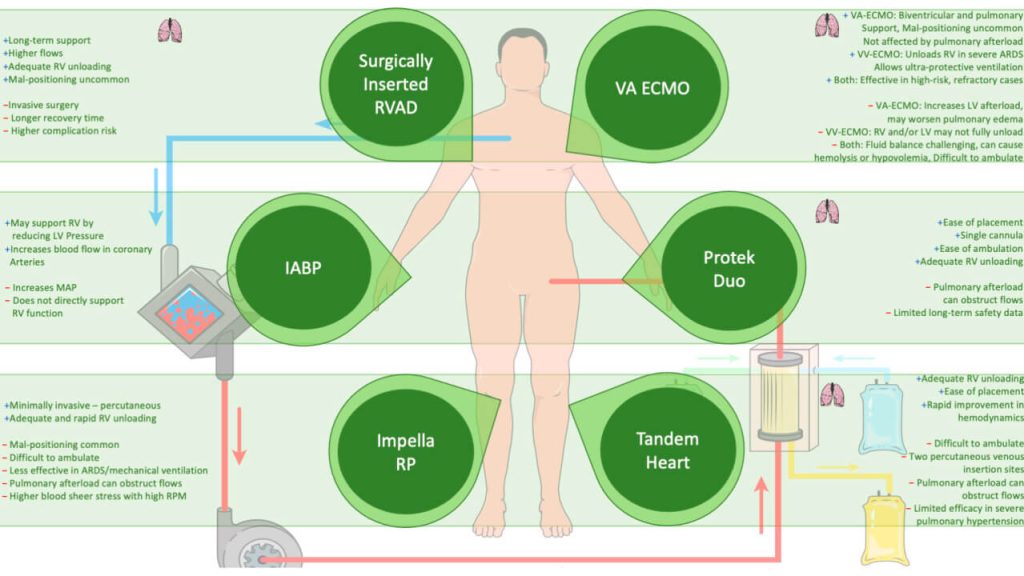
Navigating Heart–Lung Interactions in Mechanical Ventilation: Pathophysiology, Diagnosis, and Advanced Management Strategies in ARDS and Beyond

Abstract Patients in critical condition who require mechanical ventilation experience intricate interactions between their respiratory and cardiovascular systems. These complex interactions are crucial for clinicians to understand as they can significantly influence therapeutic decisions and patient outcomes. A deep understanding of heart–lung interactions is essential, particularly under the stress of mechanical ventilation, where the right

, , , , , ,

Navigating Heart–Lung Interactions in Mechanical Ventilation: Pathophysiology, Diagnosis, and Advanced Management Strategies in ARDS and Beyond Read Post »

Mechanical Ventilation, Miscellaneous

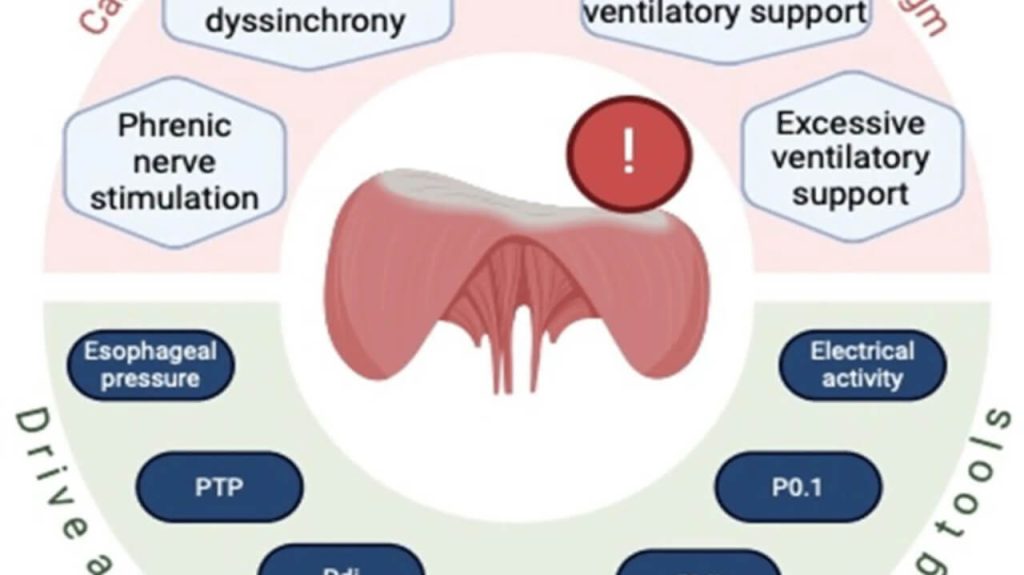
Debate on the Role of Eccentric Contraction of the Diaphragm: Is It Always Harmful?

Abstract The diaphragm is the primary muscle involved in the ventilatory pump, making it a vital component in mechanical ventilation. Various factors in patients who require mechanical ventilation can lead to the deterioration of the diaphragm, which is associated with increased mortality. This deterioration can arise from either excessive or insufficient support due to improper

, , ,

Debate on the Role of Eccentric Contraction of the Diaphragm: Is It Always Harmful? Read Post »

Mechanical Ventilation

Ventilation practices in acute brain injured patients and association with outcomes: the VENTIBRAIN multicenter observational study

Summary of “Ventilation Practices in Acute Brain Injured Patients and Association with Outcomes: The VENTIBRAIN Multicenter Observational Study” Abstract The optimal ventilation strategies for patients with acute brain injury (ABI) remain uncertain, given the potential conflicts between lung-protective ventilation and the need to maintain cerebral perfusion. This international, multicenter observational study analyzed ventilatory settings in

, , ,

Ventilation practices in acute brain injured patients and association with outcomes: the VENTIBRAIN multicenter observational study Read Post »

Miscellaneous

Physiology and pathophysiology of mucus and mucolytic use in critically ill patients

Abstract Airway mucus is a highly specialised secretory fluid which functions as a physical and immunological barrier to pathogens whilst lubricating the airways and humifying atmospheric air. Dysfunction is common during critical illness and is characterised by changes in production rate, chemical composition, physical properties, and inflammatory phenotype. Mucociliary clearance, which is determined in part

, ,

Physiology and pathophysiology of mucus and mucolytic use in critically ill patients Read Post »

Mechanical Ventilation, Respiratory

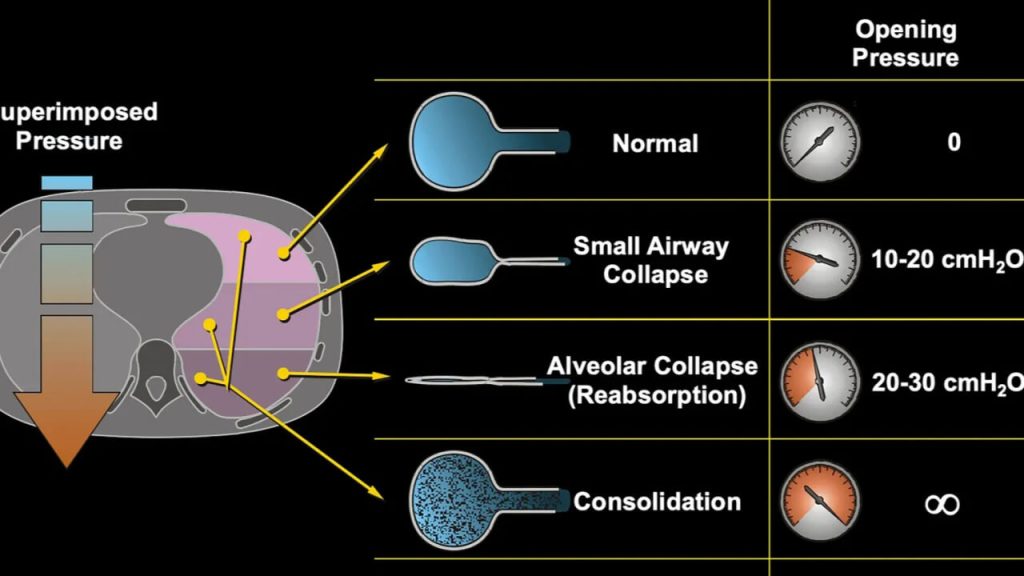
Assessment of recruitment from CT to the bedside: challenges and future directions

Abstract Assessing and quantifying recruitability are important for characterizing ARDS severity and for reducing or preventing the atelectrauma caused by the cyclic opening and closing of pulmonary units. Over the years, several methods for recruitment assessment have been developed, grouped into three main approaches: 1) Quantitative CT Scanning: This method accurately measures the amount of

, , , , , , ,

Assessment of recruitment from CT to the bedside: challenges and future directions Read Post »

Mechanical Ventilation

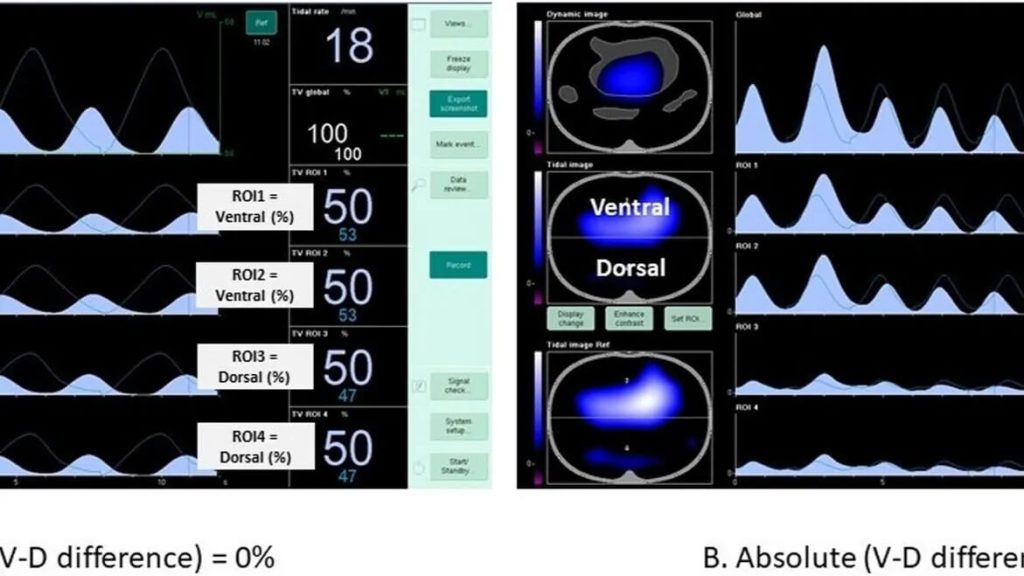
Ventilation distribution during spontaneous breathing trials predicts liberation from mechanical ventilation: the VISION study

Abstract Background Predicting complete liberation from mechanical ventilation (MV) is still challenging. Electrical impedance tomography (EIT) offers a non-invasive measure of regional ventilation distribution and could bring additional information. Research question. Whether the display of regional ventilation distribution during a Spontaneous Breathing Trial (SBT) could help at predicting early and successful liberation from MV. Study

, , ,

Ventilation distribution during spontaneous breathing trials predicts liberation from mechanical ventilation: the VISION study Read Post »

Mechanical Ventilation

Prolonged weaning from mechanical ventilation: who, what, when and how?

Abstract Weaning from invasive mechanical ventilation is an important part of the management of respiratory failure patients. Patients can be classified into those who wean on the first attempt (simple weaning), those who require up to three attempts (difficult weaning) and those who require more than three attempts (prolonged weaning). The process of weaning includes

, , ,

Prolonged weaning from mechanical ventilation: who, what, when and how? Read Post »

Respiratory

Impact of airway closure and lung collapse on inhaled nitric oxide effect in acute lung injury: an experimental study

Abstract Background Efficacy of inhaled therapy such as Nitric Oxide (iNO) during mechanical ventilation may depend on airway patency. We hypothesized that airway closure and lung collapse, countered by positive end-expiratory pressure (PEEP), influence iNO efficacy. This could support the role of an adequate PEEP titration for inhalation therapy. The main aim of this study

, , , ,

Impact of airway closure and lung collapse on inhaled nitric oxide effect in acute lung injury: an experimental study Read Post »

Miscellaneous, Respiratory

Distribution of airway pressure opening in the lungs measured with electrical impedance tomography (POET): a prospective physiological study

Abstract Background In patients with acute hypoxemic respiratory failure (AHRF) under mechanical ventilation, the change in pressure slope during a low-flow insufflation indicates a global airway opening pressure (AOP) needed to reopen closed airways and may be used for titration of positive end-expiratory pressure. Objectives To understand 1) if airways open homogeneously inside the lungs

, , , ,

Distribution of airway pressure opening in the lungs measured with electrical impedance tomography (POET): a prospective physiological study Read Post »

Scroll to Top