mechanical ventilation

Mechanical Ventilation, Respiratory

Personalized mechanical ventilation in acute respiratory distress syndrome

Abstract A personalized mechanical ventilation approach for patients with adult respiratory distress syndrome (ARDS) based on lung physiology and morphology, ARDS etiology, lung imaging, and biological phenotypes may improve ventilation practice and outcome. However, additional research is warranted before personalized mechanical ventilation strategies can be applied at the bedside. Ventilatory parameters should be titrated based […]

, , ,

Personalized mechanical ventilation in acute respiratory distress syndrome Read Post »
Mechanical Ventilation

Ventilator induced lung injury: a case for a larger umbrella?

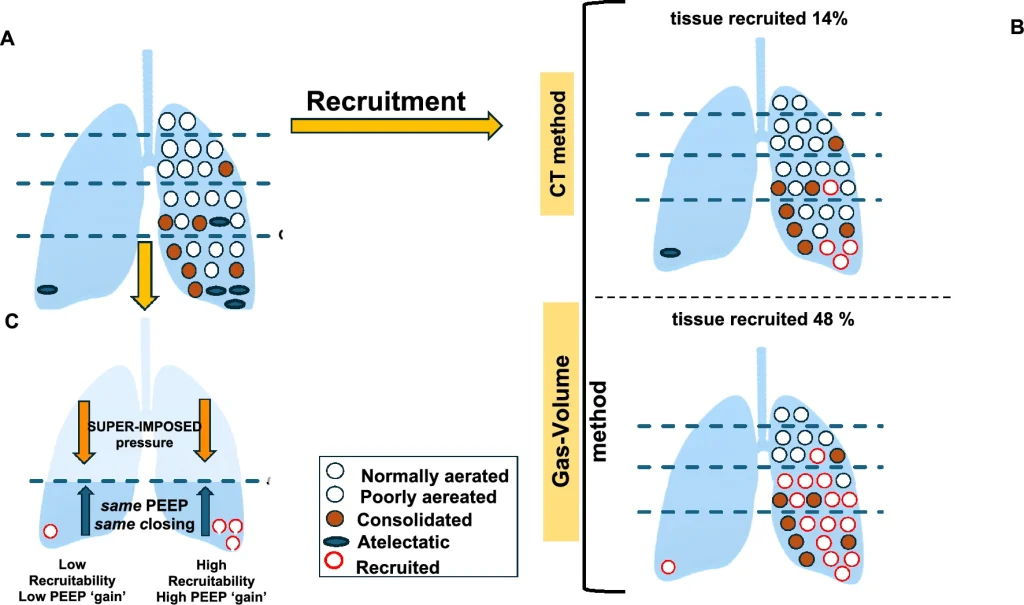
Summary of “Assessing lung recruitability: does it help with PEEP settings?” This editorial examines the relationship between lung recruitability and the selection of positive end-expiratory pressure (PEEP) settings in acute respiratory distress syndrome (ARDS) management. While recruitability measures the potential to reinflate atelectatic lung regions, PEEP must prevent their collapse while considering additional factors like

, , , , , , , , , , , , , ,

Ventilator induced lung injury: a case for a larger umbrella? Read Post »

Artificial Intelligence, Mechanical Ventilation

Artificial Intelligence for Mechanical Ventilation: A Transformative Shift in Critical Care

Abstract   With the large volume of data coming from implemented technologies and monitoring systems, intensive care units (ICUs) represent a key area for artificial intelligence (AI) application. Despite the last decade has been marked by studies focused on the use of AI in medicine, its application in mechanical ventilation management is still limited. Optimizing

,

Artificial Intelligence for Mechanical Ventilation: A Transformative Shift in Critical Care Read Post »

Mechanical Ventilation

Predictors of weaning failure in ventilated intensive care patients: a systematic evidence map

Abstract Background Ventilator weaning is of great importance for intensive care patients in order to avoid complications caused by prolonged ventilation. However, not all patients succeed in weaning immediately. Their spontaneous breathing may be insufficient, resulting in extubation failure and the subsequent need for reintubation. To identify patients at high risk for weaning failure, a

, , ,

Predictors of weaning failure in ventilated intensive care patients: a systematic evidence map Read Post »

Scroll to Top