Mechanical Ventilation

Circulatory, Mechanical Ventilation, Respiratory

Airway management and ventilation techniques in resuscitation during advanced life support: an update

Abstract For many years, ventilation has been an essential part of advanced life support (ALS) in cardiopulmonary resuscitation (CPR). Nevertheless, there is little evidence about the best method of ventilation during resuscitation for both out-of-hospital cardiac arrest (OHCA) and inhospital cardiac arrest (IHCA) patients. Effective ventilation is one of the two main keys to successful […]
, , , , ,

Airway management and ventilation techniques in resuscitation during advanced life support: an update Read Post »

Mechanical Ventilation, Respiratory

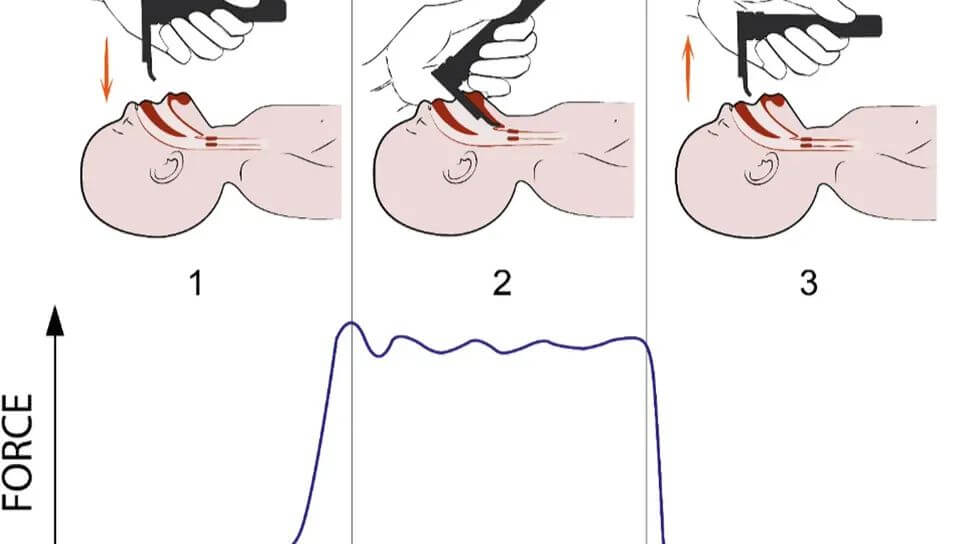
Neonatal intubation: what are we doing?

Abstract How and when the forces are applied during neonatal intubation are currently unknown. This study investigated the pattern of the applied forces by using sensorized laryngoscopes during the intubation process in a neonatal manikin. Nine users of direct laryngoscope and nine users of straight-blade video laryngoscope were included in a neonatal manikin study. During

,

Neonatal intubation: what are we doing? Read Post »

Mechanical Ventilation, Respiratory

Ventilator-associated pneumonia: pathobiological heterogeneity and diagnostic challenges

Abstract Ventilator-associated pneumonia (VAP) affects up to 20% of critically ill patients and induces significant antibiotic prescription pressure, accounting for half of all antibiotic use in the ICU. VAP significantly increases hospital length of stay and healthcare costs yet is also associated with long-term morbidity and mortality. The diagnosis of VAP continues to present challenges

, , ,

Ventilator-associated pneumonia: pathobiological heterogeneity and diagnostic challenges Read Post »

Mechanical Ventilation

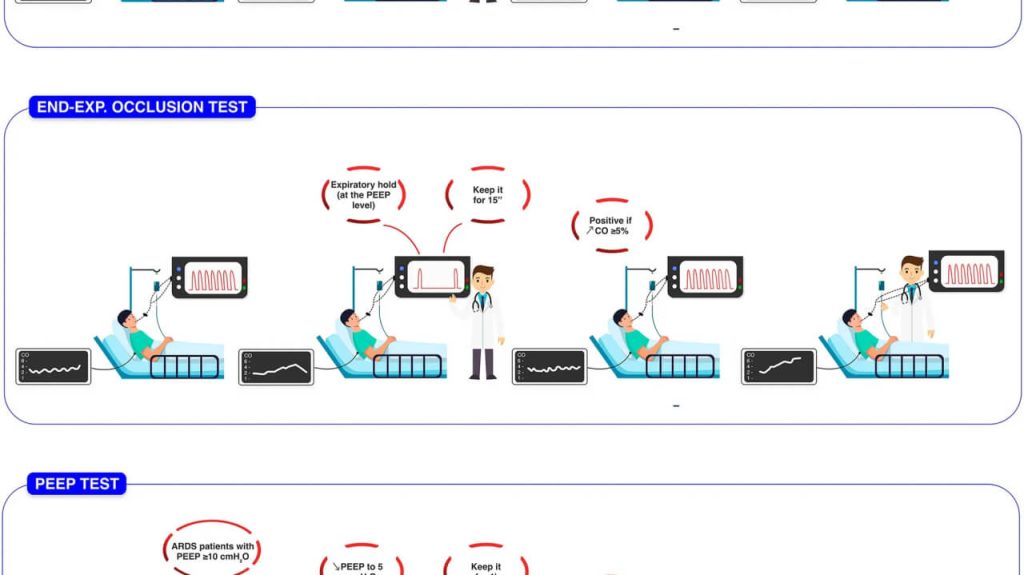
Using the ventilator to predict fluid responsiveness

During acute circulatory failure, infusing fluids as first line therapy is the source of a therapeutic dilemma [increase in cardiac output (CO) and improvement of tissue perfusion vs. inconsistent effectiveness and risk of fluid accumulation]. Predicting effectiveness of a fluid bolus on CO before infusing it avoids administering fluid to patients who do not require

, ,

Using the ventilator to predict fluid responsiveness Read Post »

Mechanical Ventilation

What every paediatrician needs to know about mechanical ventilation

Abstract Invasive mechanical ventilation (MV) is one of the most practiced interventions in the intensive care unit (ICU) and is unmistakably lifesaving for children with acute respiratory failure (ARF). However, if delivered inappropriately (i.e. ignoring the respiratory system mechanics and not targeted to the need of the individual patient at a specific time point in

, , , , ,

What every paediatrician needs to know about mechanical ventilation Read Post »

Mechanical Ventilation, Miscellaneous

How we use ultrasound in the management of weaning from mechanical ventilation

Difficult weaning from invasive mechanical ventilation is associated with adverse clinical outcome and increased use of limited health care resources. Difficult weaning, characterized by failure of multiple spontaneous breathing trails (SBTs), can result from several causes, including impaired function of lung, heart, and respiratory pump [1]. In this editorial, we discuss how ultrasound may facilitate

, , ,

How we use ultrasound in the management of weaning from mechanical ventilation Read Post »

Mechanical Ventilation

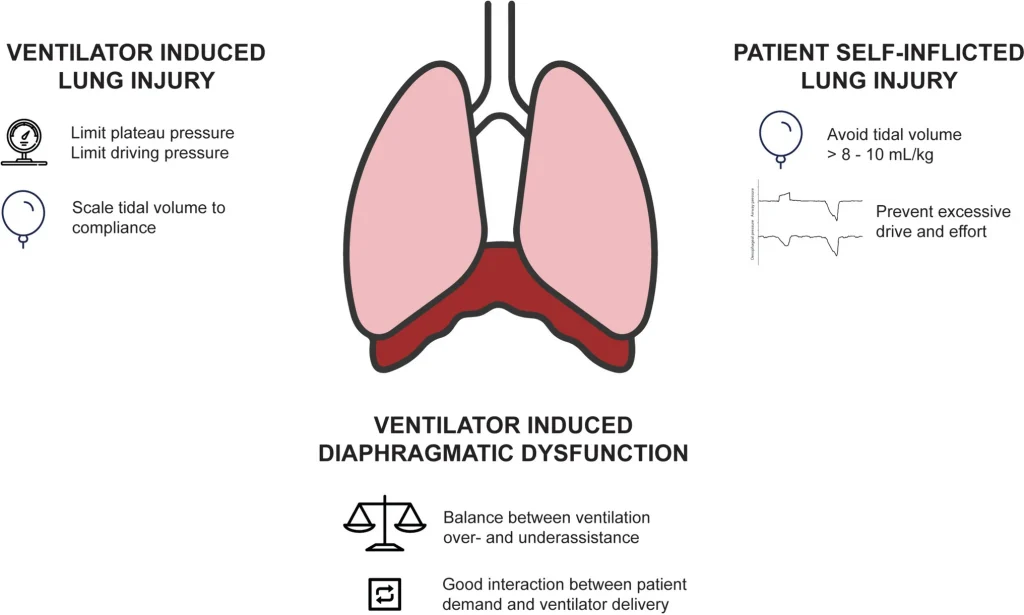
What every paediatrician needs to know about mechanical ventilation

Abstract Mechanical ventilation (MV) is a lifesaving intervention for children with acute respiratory failure (ARF). However, improper application can lead to adverse outcomes, such as ventilation-induced lung injury (VILI), patient self-inflicted lung injury (P-SILI), and ventilation-induced diaphragmatic dysfunction (VIDD). This review discusses the fundamentals of MV, challenges in minimizing its side effects, and strategies to

What every paediatrician needs to know about mechanical ventilation Read Post »

Artificial Intelligence, Mechanical Ventilation, Pharmacological Insights in Critical Care, Respiratory

Barotrauma: The statistical fallacy. A non-conventional scoping review with Bayesian meta-analysis

Abstract Background Mechanical ventilator-associated damage has a high relevance in the clinical outcomes of critically ill patients. Barotrauma is a colloquial premise that has not been questioned, while other concepts such as mechanotransduction based on time-dependent viscoelastic models derived from materials engineering and physics appear as a more solid and clinically plausible postulate. This scoping

,

Barotrauma: The statistical fallacy. A non-conventional scoping review with Bayesian meta-analysis Read Post »

Circulatory, Mechanical Ventilation, Pharmacological Insights in Critical Care

Ventilation and Oxygenation During and After Adult Cardiopulmonary Resuscitation: Changing Paradigms

Abstract Cardiac arrest (CA) remains a major cause of death despite advancements in cardiopulmonary resuscitation (CPR), post-resuscitation care, and international efforts to develop evidence-based guidelines. Effectively managing ventilation and oxygenation during and after CPR is vital for patient survival and neurological outcomes, yet it remains a challenging task. This review examines current strategies for ventilation

, , ,

Ventilation and Oxygenation During and After Adult Cardiopulmonary Resuscitation: Changing Paradigms Read Post »

Mechanical Ventilation

“Awake” Cannulation of Patients for Venovenous Extracorporeal Membrane Oxygen: An Analysis of the Extracorporeal Life Support Organization Registry

Abstract IMPORTANCE: “Awake” cannulation for venovenous extracorporeal membrane oxygenation (ECMO), where patients remain spontaneously breathing without invasive mechanical ventilation during the cannulation procedure, may reduce lung injury from positive pressure ventilation and promote patient mobility. OBJECTIVES: To examine the association between “awake” cannulation for venovenous ECMO and patient outcomes. DESIGN, SETTING, AND PARTICIPANTS: Analysis of

“Awake” Cannulation of Patients for Venovenous Extracorporeal Membrane Oxygen: An Analysis of the Extracorporeal Life Support Organization Registry Read Post »

Scroll to Top