Author name: admin

Mechanical Ventilation

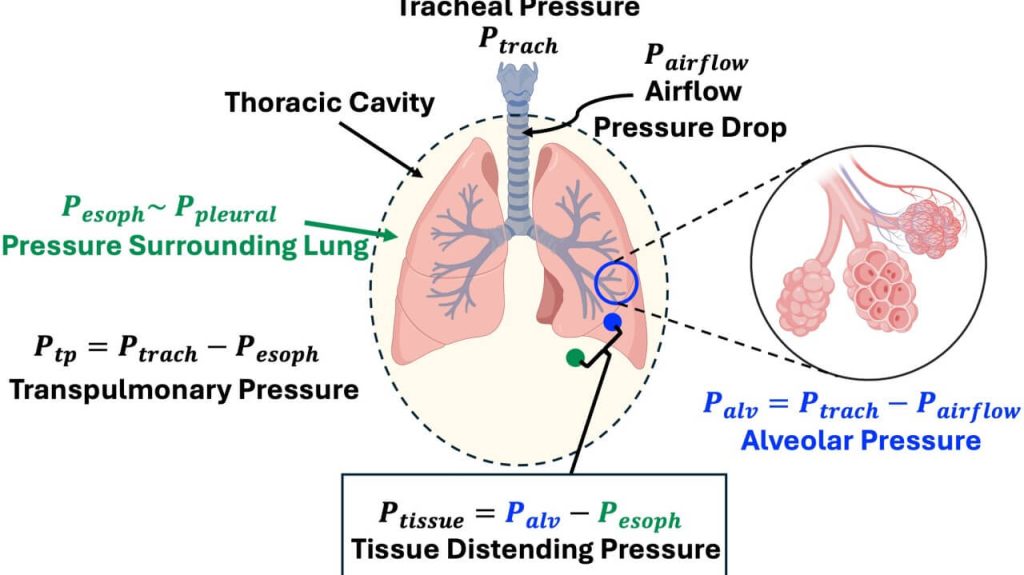
Mechanical ventilation energy analysis: Recruitment focuses injurious power in the ventilated lung

Abstract The progression of acute respiratory distress syndrome (ARDS) from its onset due to disease or trauma to either recovery or death is poorly understood. Currently, there are no generally accepted treatments aside from supportive care using mechanical ventilation. However, this can lead to ventilator-induced lung injury (VILI), which contributes to a 30 to 40% […]

, , ,

Mechanical ventilation energy analysis: Recruitment focuses injurious power in the ventilated lung Read Post »

Circulatory, Respiratory

Managing Refractory Hypoxemia in ARDS Obese Patients with Veno-Venous Extra-Corporeal Membrane Oxygenation: A Narrative Review

Abstract Veno-venous extracorporeal membrane oxygenation (vvECMO) is a life-saving intervention for severe respiratory failure unresponsive to conventional therapies. However, managing refractory hypoxemia in morbidly obese patients poses significant challenges due to the unique physiological characteristics of this population, including hyperdynamic circulation, elevated cardiac output, and increased oxygen consumption. These factors can limit the effectiveness of

, , , , ,

Managing Refractory Hypoxemia in ARDS Obese Patients with Veno-Venous Extra-Corporeal Membrane Oxygenation: A Narrative Review Read Post »

Mechanical Ventilation

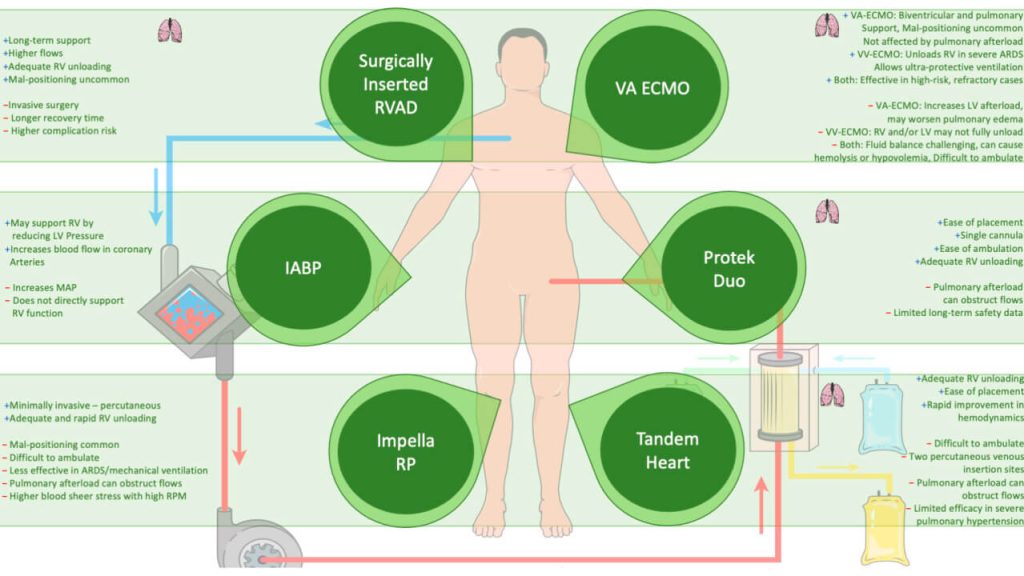
Navigating Heart–Lung Interactions in Mechanical Ventilation: Pathophysiology, Diagnosis, and Advanced Management Strategies in ARDS and Beyond

Abstract Patients in critical condition who require mechanical ventilation experience intricate interactions between their respiratory and cardiovascular systems. These complex interactions are crucial for clinicians to understand as they can significantly influence therapeutic decisions and patient outcomes. A deep understanding of heart–lung interactions is essential, particularly under the stress of mechanical ventilation, where the right

, , , , , ,

Navigating Heart–Lung Interactions in Mechanical Ventilation: Pathophysiology, Diagnosis, and Advanced Management Strategies in ARDS and Beyond Read Post »

Mechanical Ventilation, Miscellaneous

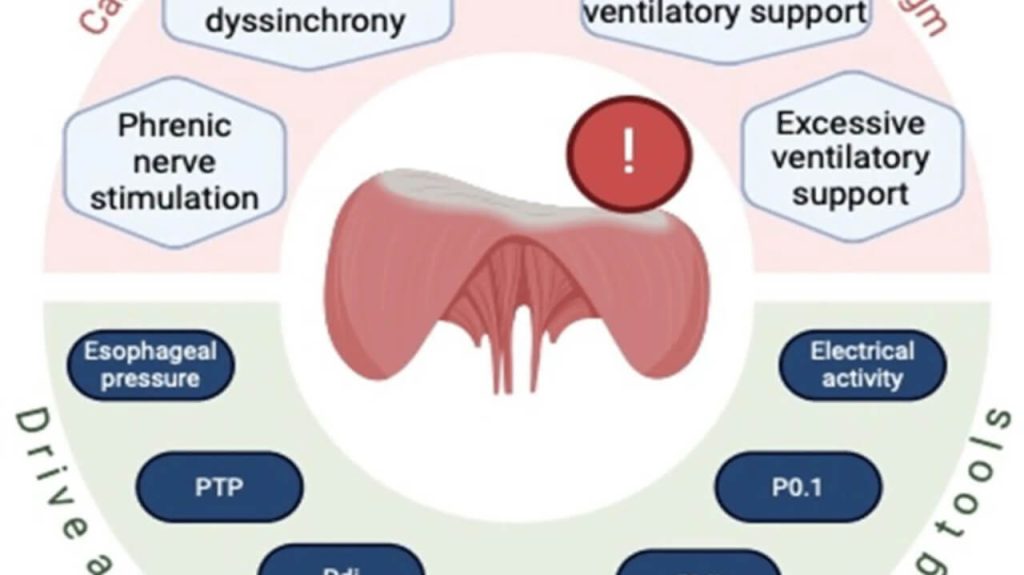
Debate on the Role of Eccentric Contraction of the Diaphragm: Is It Always Harmful?

Abstract The diaphragm is the primary muscle involved in the ventilatory pump, making it a vital component in mechanical ventilation. Various factors in patients who require mechanical ventilation can lead to the deterioration of the diaphragm, which is associated with increased mortality. This deterioration can arise from either excessive or insufficient support due to improper

, , ,

Debate on the Role of Eccentric Contraction of the Diaphragm: Is It Always Harmful? Read Post »

Pharmacological Insights in Critical Care

Inhaled Sedation in Acute Respiratory Distress Syndrome. The SESAR Randomized Clinical Trial

Summary of “Inhaled Sedation in Acute Respiratory Distress Syndrome: The SESAR Randomized Clinical Trial” Abstract This randomized clinical trial compared the efficacy and safety of inhaled sevoflurane versus intravenous propofol for sedation in patients with moderate to severe acute respiratory distress syndrome (ARDS). Conducted across 37 French ICUs, the study enrolled 687 patients to determine

, ,

Inhaled Sedation in Acute Respiratory Distress Syndrome. The SESAR Randomized Clinical Trial Read Post »

Respiratory

Electrical impedance tomography-guided the optimal awake prone position in a moderate ARDS patient

Awake prone positioning (APP) has gained prominence as a therapeutic intervention for acute respiratory distress syndrome (ARDS), particularly in COVID-19-related respiratory failure due to its proven survival benefits [1, 2]. However, the clinical applicability of APP in non-COVID-19 ARDS populations remains controversial, with patient tolerance and heterogeneous lung recruitment responses posing significant challenges [3]. To address

, , , ,

Electrical impedance tomography-guided the optimal awake prone position in a moderate ARDS patient Read Post »

Mechanical Ventilation

Inconsistent Methods Used to Set Airway Pressure Release Ventilation in ARDS: A Systematic Review and Meta-Regression Analysis

Abstract Airway pressure release ventilation (APRV) is a protective mechanical ventilation mode for patients with acute respiratory distress syndrome (ARDS) that theoretically may reduce ventilator-induced lung injury (VILI) and ARDS-related mortality. However, there is no standard method to set and adjust the APRV mode shown to be optimal. Therefore, we performed a meta-regression analysis to

, , , ,

Inconsistent Methods Used to Set Airway Pressure Release Ventilation in ARDS: A Systematic Review and Meta-Regression Analysis Read Post »

Pulmonary

ARDS Subphenotypes Exhibit Different Right Ventricular-Pulmonary Arterial Coupling Profiles

Summary of “ARDS Subphenotypes Exhibit Different Right Ventricular-Pulmonary Arterial Coupling Profiles” Abstract Acute respiratory distress syndrome (ARDS) is a heterogeneous condition with distinct subphenotypes that exhibit different responses to interventions. Right ventricular-pulmonary arterial (RV-PA) coupling, a key determinant of cardiopulmonary interactions in ARDS, has not been well studied across subphenotypes. This study analyzed RV-PA coupling

,

ARDS Subphenotypes Exhibit Different Right Ventricular-Pulmonary Arterial Coupling Profiles Read Post »

Mechanical Ventilation

Ventilation practices in acute brain injured patients and association with outcomes: the VENTIBRAIN multicenter observational study

Summary of “Ventilation Practices in Acute Brain Injured Patients and Association with Outcomes: The VENTIBRAIN Multicenter Observational Study” Abstract The optimal ventilation strategies for patients with acute brain injury (ABI) remain uncertain, given the potential conflicts between lung-protective ventilation and the need to maintain cerebral perfusion. This international, multicenter observational study analyzed ventilatory settings in

, , ,

Ventilation practices in acute brain injured patients and association with outcomes: the VENTIBRAIN multicenter observational study Read Post »

Respiratory

Advancements in imaging techniques for monitoring the respiratory muscles

Summary of “Advancements in Imaging Techniques for Monitoring the Respiratory Muscles” Abstract Respiratory muscle dysfunction is a significant issue in critically ill patients, affecting weaning from mechanical ventilation and overall outcomes. This review explores emerging imaging techniques for assessing respiratory muscles, including ultrasound-based methods such as speckle tracking, tissue Doppler imaging, and shear wave elastography.

, , ,

Advancements in imaging techniques for monitoring the respiratory muscles Read Post »

Scroll to Top