March 2025

Respiratory

A narrative review on the future of ARDS: evolving definitions, pathophysiology, and tailored management

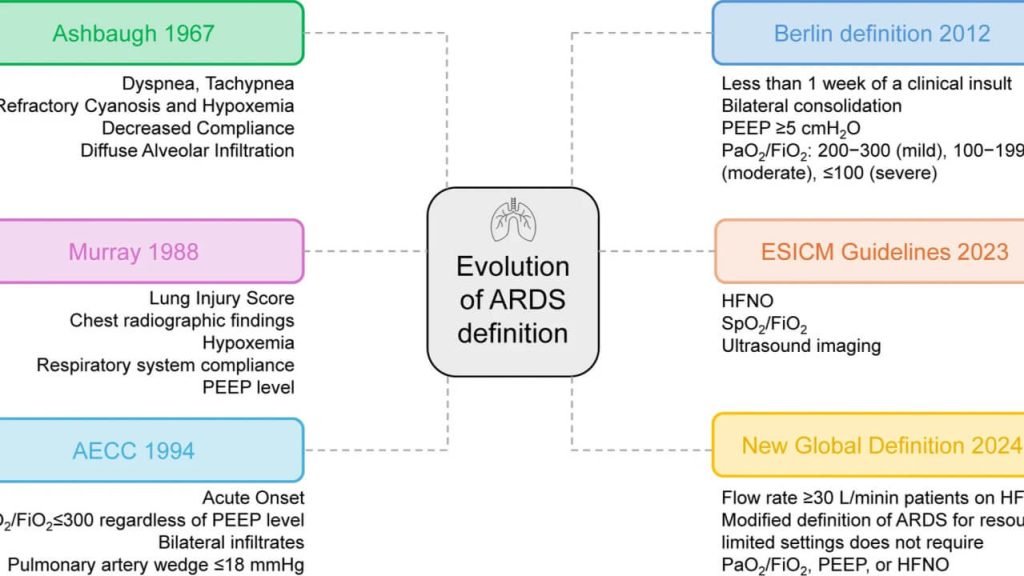
Abstract Acute respiratory distress syndrome (ARDS) is a severe complication of critical illness, characterized by bilateral lung infiltrates and hypoxemia. Its clinical and pathophysiological heterogeneity poses challenges for both diagnosis and treatment. This review outlines the evolution of ARDS definitions, discusses the underlying pathophysiology of ARDS, and examines the clinical implications of its heterogeneity. Traditional […]
,

A narrative review on the future of ARDS: evolving definitions, pathophysiology, and tailored management Read Post »

Respiratory

Rapidly improving ARDS differs clinically and biologically from persistent ARDS

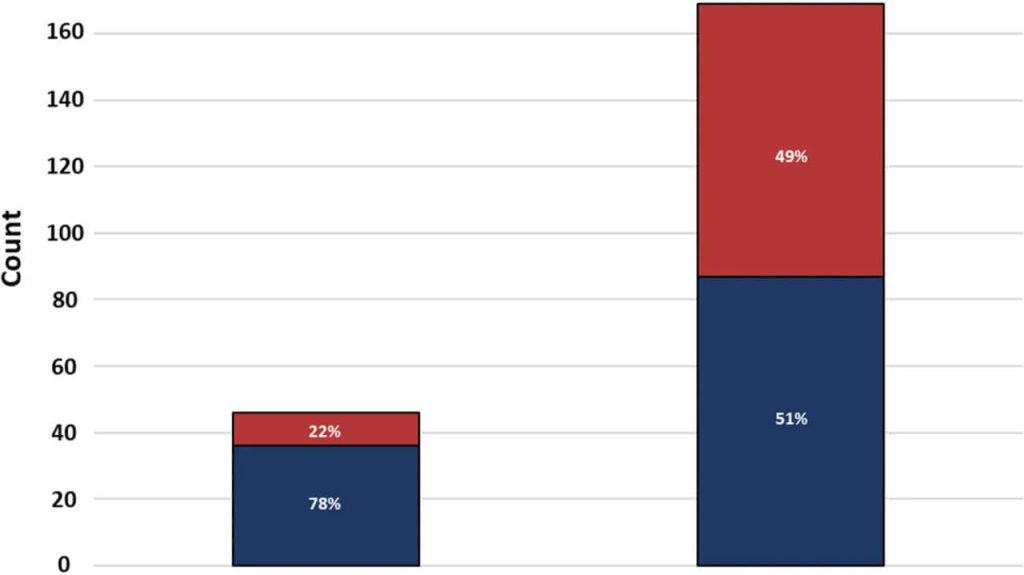
Abstract Background Rapidly improving acute respiratory distress syndrome (RIARDS) is an increasingly appreciated subgroup of ARDS in which hypoxemia improves within 24 h after initiation of mechanical ventilation. Detailed clinical and biological features of RIARDS have not been clearly defined, and it is unknown whether RIARDS is associated with the hypoinflammatory or hyperinflammatory phenotype of ARDS.

,

Rapidly improving ARDS differs clinically and biologically from persistent ARDS Read Post »

Respiratory

Patient-Self Inflicted Lung Injury (P-SILI): An Insight into the Pathophysiology of Lung Injury and Management

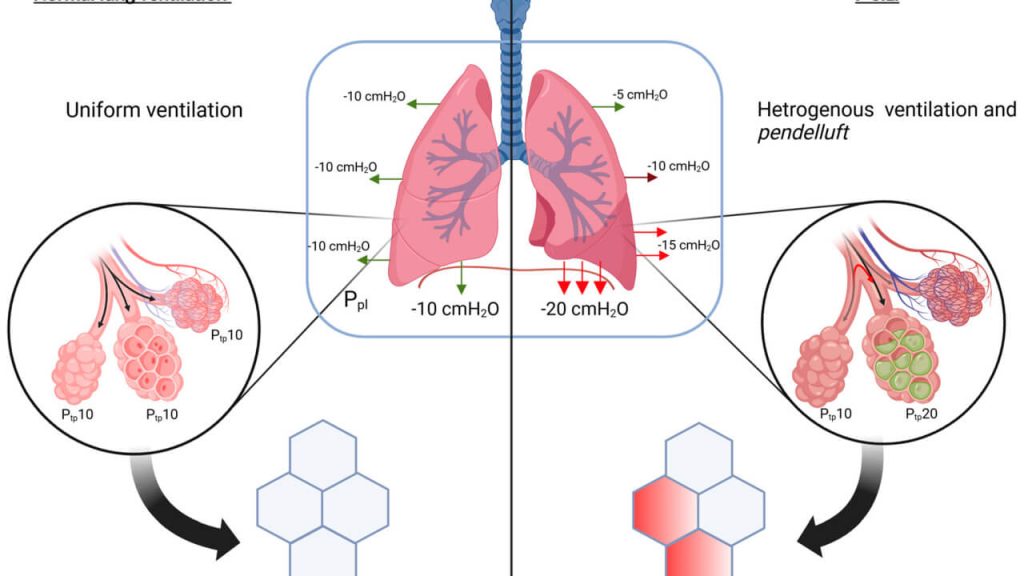
Abstract Acute respiratory distress syndrome (ARDS) is a heterogeneous group of disease entities that are associated with acute hypoxic respiratory failure and significant morbidity and mortality. With a better understanding and phenotyping of lung injury, novel pathophysiologic mechanisms demonstrate the impact of a patient’s excessive spontaneous breathing effort on perpetuating lung injury. Patient self-inflicted lung

, , ,

Patient-Self Inflicted Lung Injury (P-SILI): An Insight into the Pathophysiology of Lung Injury and Management Read Post »

Miscellaneous

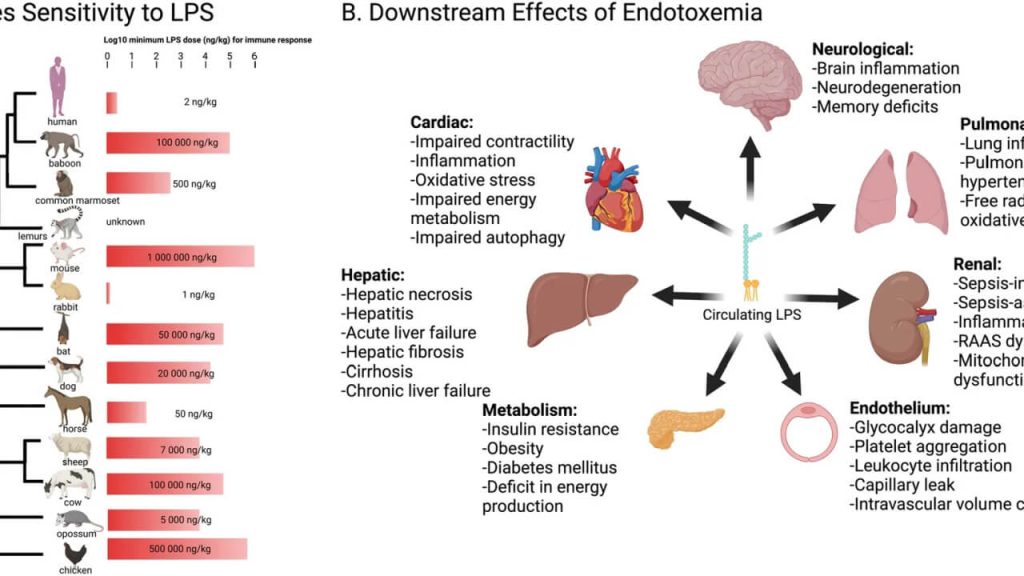
A review of gut failure as a cause and consequence of critical illness

Abstract In critical illness, all elements of gut function are perturbed. Dysbiosis develops as the gut microbial community loses taxonomic diversity and new virulence factors appear. Intestinal permeability increases, allowing for translocation of bacteria and/or bacterial products. Epithelial function is altered at a cellular level and homeostasis of the epithelial monolayer is compromised by increased

, ,

A review of gut failure as a cause and consequence of critical illness Read Post »

Respiratory

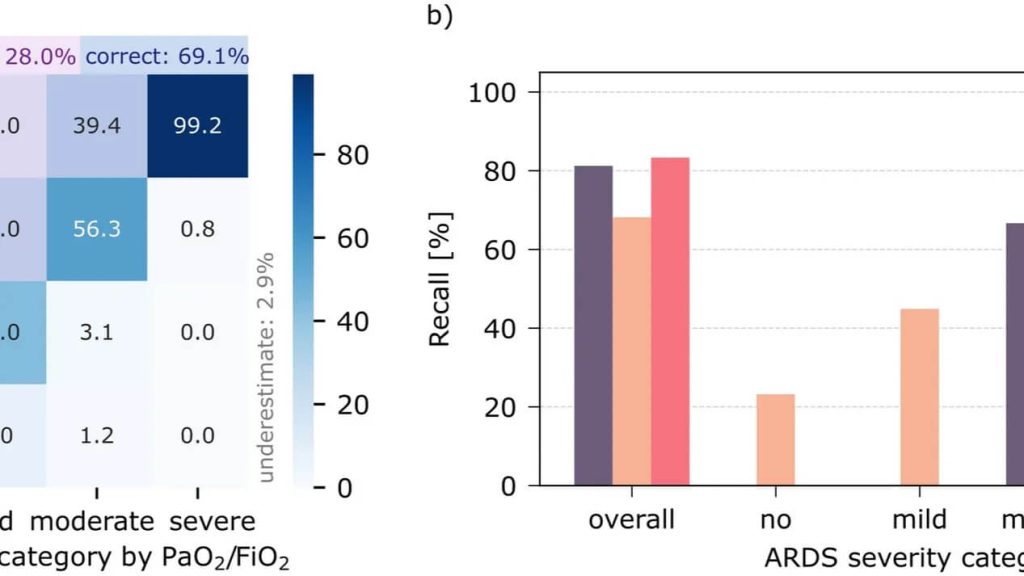
Limitations of SpO2 / FiO2-ratio for classification and monitoring of acute respiratory distress syndrome—an observational cohort study

Abstract Background The ratio of pulse-oximetric peripheral oxygen saturation to fraction of inspired oxygen (SpO2/FiO2) has been proposed as additional hypoxemia criterion in a new global definition of acute respiratory distress syndrome (ARDS). This study aims to evaluate the clinical and theoretical limitations of the SpO2/FiO2-ratio when using it to classify patients with ARDS and

, , ,

Limitations of SpO2 / FiO2-ratio for classification and monitoring of acute respiratory distress syndrome—an observational cohort study Read Post »

Miscellaneous, Sepsis

How I personalize fluid therapy in septic shock?

Abstract During septic shock, fluid therapy is aimed at increasing cardiac output and improving tissue oxygenation, but it poses two problems: it has inconsistent and transient efficacy, and it has many well-documented deleterious effects. We suggest that there is a place for its personalization according to the patient characteristics and the clinical situation, at all

, , , , , ,

How I personalize fluid therapy in septic shock? Read Post »

Mechanical Ventilation

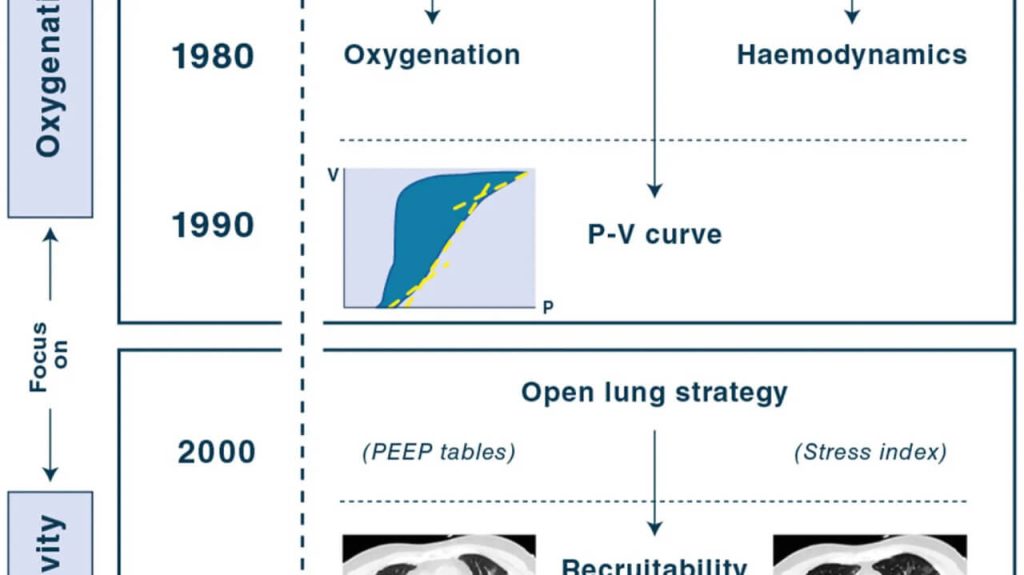
In search of the Holy Grail: identifying the best PEEP in ventilated patients

Positive end-expiratory pressure (PEEP) has been interwoven with acute respiratory distress syndrome (ARDS) since its first description by Ashbaugh et al. [1]. Thereafter, the potentially competing effects of PEEP on lung volume, gas-exchange, and hemodynamics were quickly recognized, prompting the first proposals for methods to optimize PEEP in the clinical setting. Eight years after the

,

In search of the Holy Grail: identifying the best PEEP in ventilated patients Read Post »

Respiratory

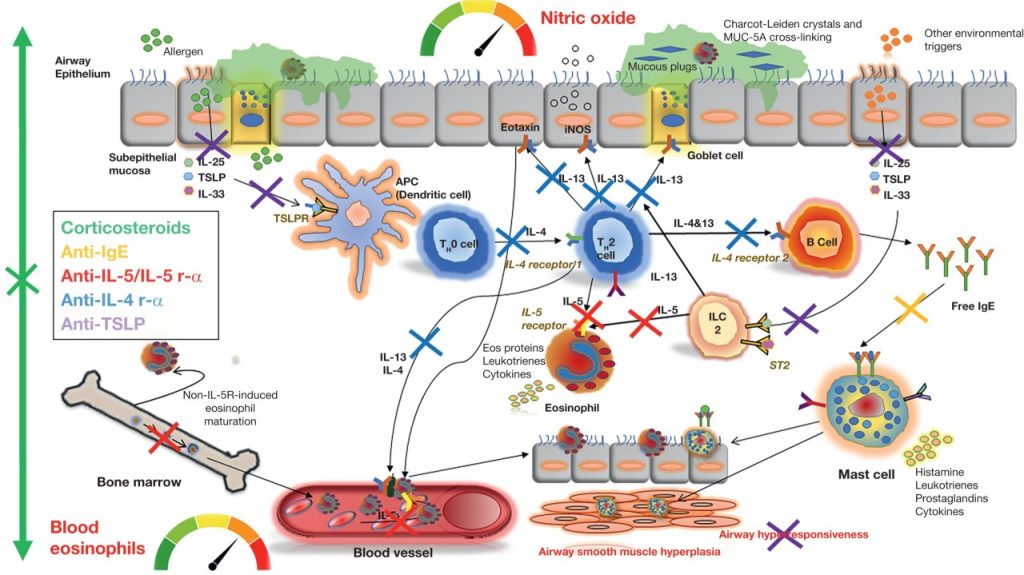
Choosing the Right Biologic for the Right Patient With Severe Asthma

Abstract In this installment of the How I Do It series on severe asthma, we tackle the clinical conundrum of choosing the right biologic for the right patient with severe asthma. With six biologics now approved for use in this area comprising four different targeting strategies (anti-Ig E: omalizumab; anti-IL-5 and anti-IL-5-receptor: mepolizumab, reslizumab, and

, , ,

Choosing the Right Biologic for the Right Patient With Severe Asthma Read Post »

Respiratory

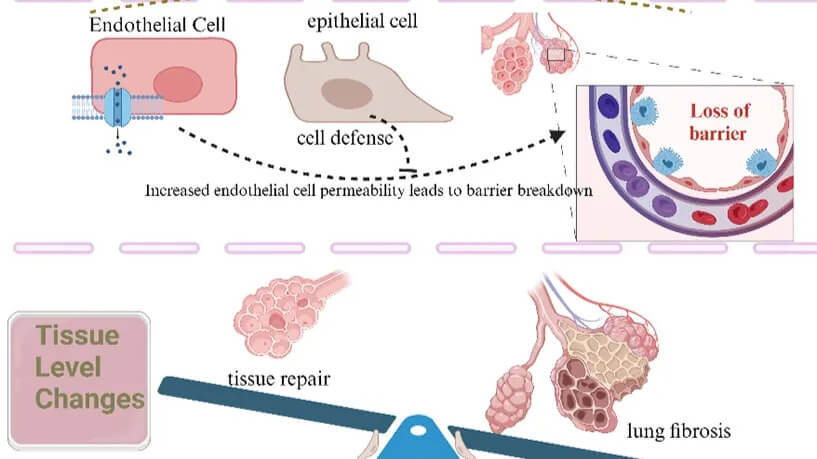
Pathophysiological mechanisms of ARDS: a narrative review from molecular to organ-level perspectives

Abstract Background Acute respiratory distress syndrome (ARDS) remains a life-threatening pulmonary condition with persistently high mortality rates despite significant advancements in supportive care. Its complex pathophysiology involves an intricate interplay of molecular and cellular processes, including cytokine storms, oxidative stress, programmed cell death, and disruption of the alveolar-capillary barrier. These mechanisms drive localized lung injury

,

Pathophysiological mechanisms of ARDS: a narrative review from molecular to organ-level perspectives Read Post »

Neurology

Mastering the brain in critical conditions: an update

Abstract Acute brain injuries, such as traumatic brain injury and ischemic and hemorragic stroke, are a leading cause of death and disability worldwide. While characterized by clearly distict primary events—vascular damage in strokes and biomechanical damage in traumatic brain injuries—they share common secondary injury mechanisms influencing long-term outcomes. Growing evidence suggests that a more personalized

, ,

Mastering the brain in critical conditions: an update Read Post »

Scroll to Top