March 2025

Miscellaneous

Pseudomonas aeruginosa: A Bacterial Platform for Biopharmaceutical Production

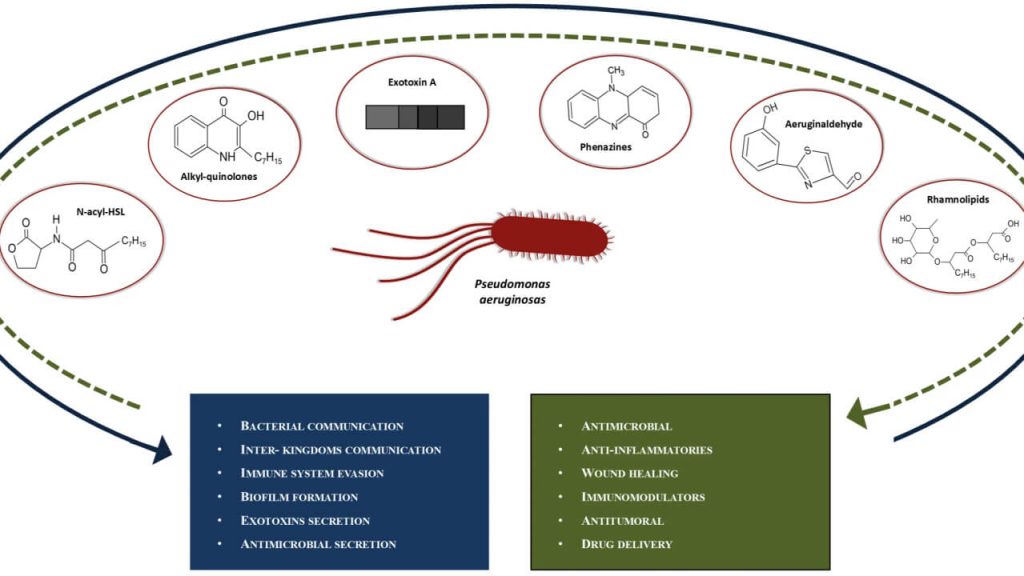
Abstract Pseudomonas aeruginosa is a metabolically versatile opportunistic pathogen capable of surviving in a range of environments. The major contribution to these abilities relies on virulence factor production, e.g., exotoxins, phenazines, and rhamnolipids, regulated through a hierarchical system of communication, named quorum sensing (QS). QS involves the production, release, and recognition of two classes of diffusible […]

, , ,

Pseudomonas aeruginosa: A Bacterial Platform for Biopharmaceutical Production Read Post »

Miscellaneous

Supporting the bereaved child in the adult ICU: a narrative review

Abstract Childhood bereavement is a significant issue globally, affecting millions of children each year, with incidence rates significantly increasing following the COVID-19 pandemic. The loss of an important adult, particularly in the ICU environment, can lead to lasting psychological and behavioural challenges for children. While family-centred practices in the ICU have advanced, the unique bereavement

, , ,

Supporting the bereaved child in the adult ICU: a narrative review Read Post »

Sepsis

“The NET effect”: Neutrophil extracellular traps—a potential key component of the dysregulated host immune response in sepsis

Abstract Neutrophils release neutrophil extracellular traps (NETs) as part of a healthy host immune response. NETs physically trap and kill pathogens as well as activating and facilitating crosstalk between immune cells and complement. Excessive or inadequately resolved NETs are implicated in the underlying pathophysiology of sepsis and other inflammatory diseases, including amplification of the inflammatory

, , , , , ,

“The NET effect”: Neutrophil extracellular traps—a potential key component of the dysregulated host immune response in sepsis Read Post »

Neurology

Use of Hypertonic Saline in Neuroanesthesia and Neurocritical Care Practice: A Narrative Review

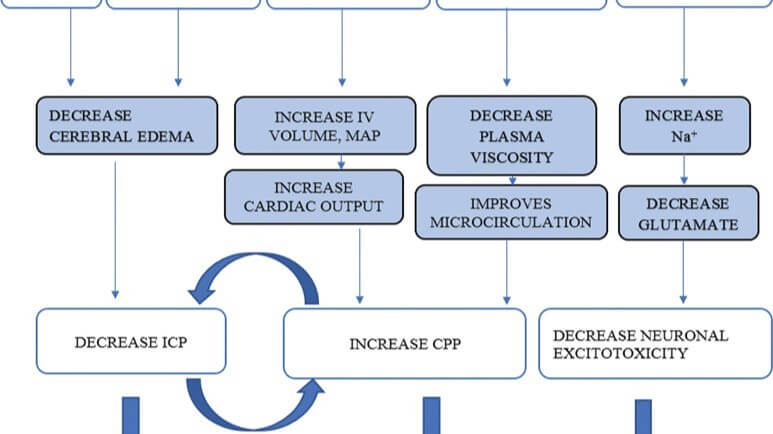
Abstract Hypertonic saline (HTS) is a group of fluids containing sodium and chloride in a higher concentration as compared to physiological saline. The authors have conducted this review to evaluate the use of HTS in neuroanesthesia and neurocritical care. The articles for this narrative review on HTS were searched on databases like PubMed Central, EMBASE,

, ,

Use of Hypertonic Saline in Neuroanesthesia and Neurocritical Care Practice: A Narrative Review Read Post »

Respiratory

Understanding Pulmonary Stress-Strain Relationships in Severe ARDS and Its Implications for Designing a Safer Approach to Setting the Ventilator

Abstract This review describes the current understanding of the lungs’ response to deforming stress under conditions of both normal physiology and acute lung injury. Several limiting assumptions are needed to infer lung parenchymal stress and strain from airway pressure, volume, and flow data from mechanically ventilated patients with injured lungs. These assumptions include the effects

, , ,

Understanding Pulmonary Stress-Strain Relationships in Severe ARDS and Its Implications for Designing a Safer Approach to Setting the Ventilator Read Post »

Mechanical Ventilation, Respiratory

Assessment of recruitment from CT to the bedside: challenges and future directions

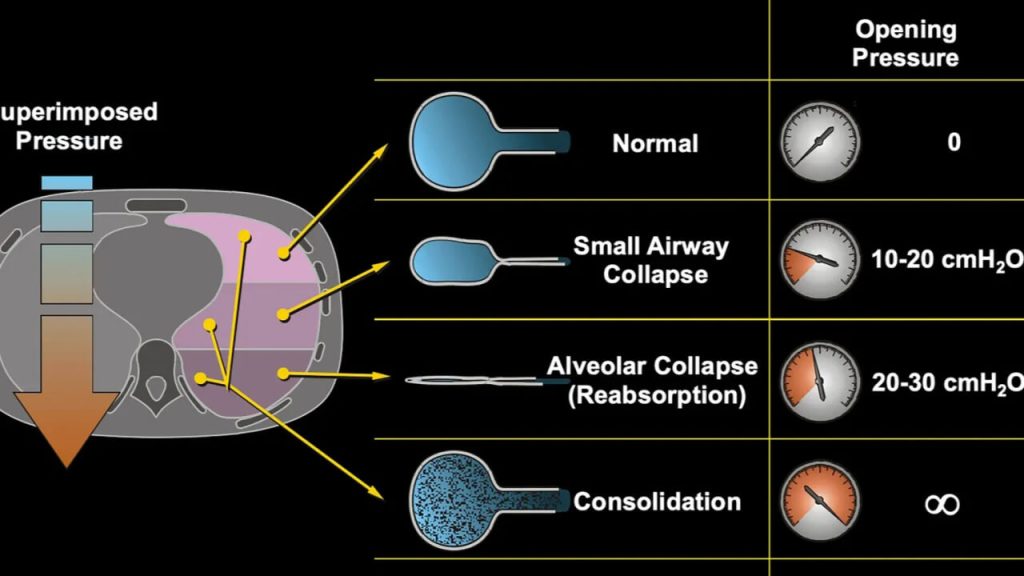
Abstract Assessing and quantifying recruitability are important for characterizing ARDS severity and for reducing or preventing the atelectrauma caused by the cyclic opening and closing of pulmonary units. Over the years, several methods for recruitment assessment have been developed, grouped into three main approaches: 1) Quantitative CT Scanning: This method accurately measures the amount of

, , , , , , ,

Assessment of recruitment from CT to the bedside: challenges and future directions Read Post »

Scroll to Top