Author name: admin

Respiratory

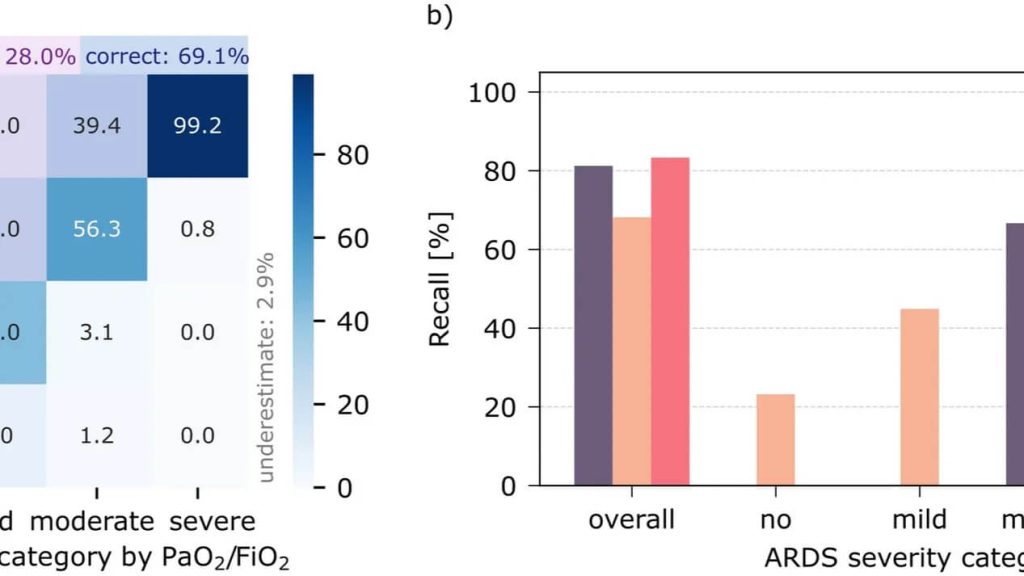
Limitations of SpO2 / FiO2-ratio for classification and monitoring of acute respiratory distress syndrome—an observational cohort study

Abstract Background The ratio of pulse-oximetric peripheral oxygen saturation to fraction of inspired oxygen (SpO2/FiO2) has been proposed as additional hypoxemia criterion in a new global definition of acute respiratory distress syndrome (ARDS). This study aims to evaluate the clinical and theoretical limitations of the SpO2/FiO2-ratio when using it to classify patients with ARDS and […]

, , ,

Limitations of SpO2 / FiO2-ratio for classification and monitoring of acute respiratory distress syndrome—an observational cohort study Read Post »

Miscellaneous, Sepsis

How I personalize fluid therapy in septic shock?

Abstract During septic shock, fluid therapy is aimed at increasing cardiac output and improving tissue oxygenation, but it poses two problems: it has inconsistent and transient efficacy, and it has many well-documented deleterious effects. We suggest that there is a place for its personalization according to the patient characteristics and the clinical situation, at all

, , , , , ,

How I personalize fluid therapy in septic shock? Read Post »

Mechanical Ventilation

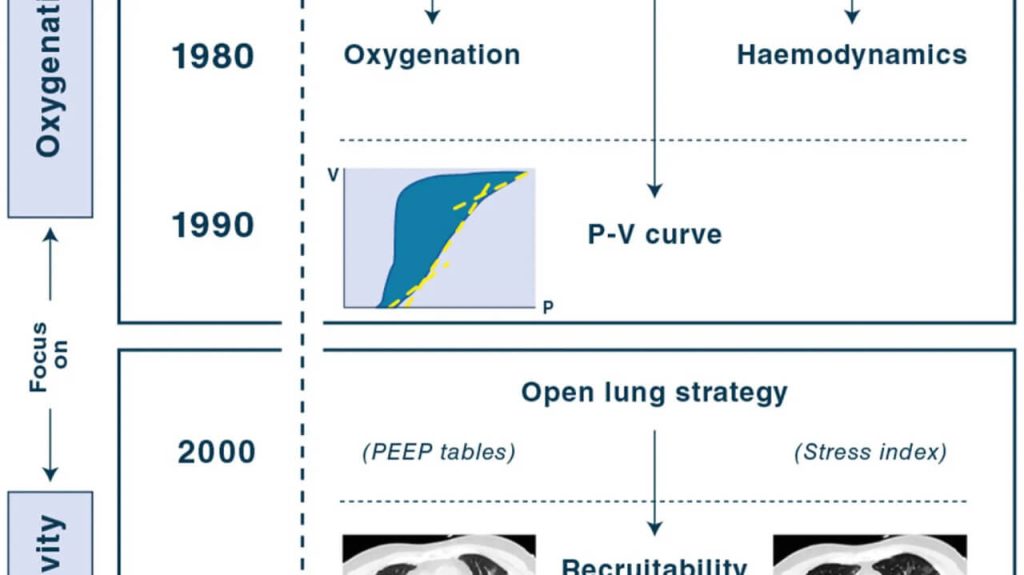
In search of the Holy Grail: identifying the best PEEP in ventilated patients

Positive end-expiratory pressure (PEEP) has been interwoven with acute respiratory distress syndrome (ARDS) since its first description by Ashbaugh et al. [1]. Thereafter, the potentially competing effects of PEEP on lung volume, gas-exchange, and hemodynamics were quickly recognized, prompting the first proposals for methods to optimize PEEP in the clinical setting. Eight years after the

,

In search of the Holy Grail: identifying the best PEEP in ventilated patients Read Post »

Respiratory

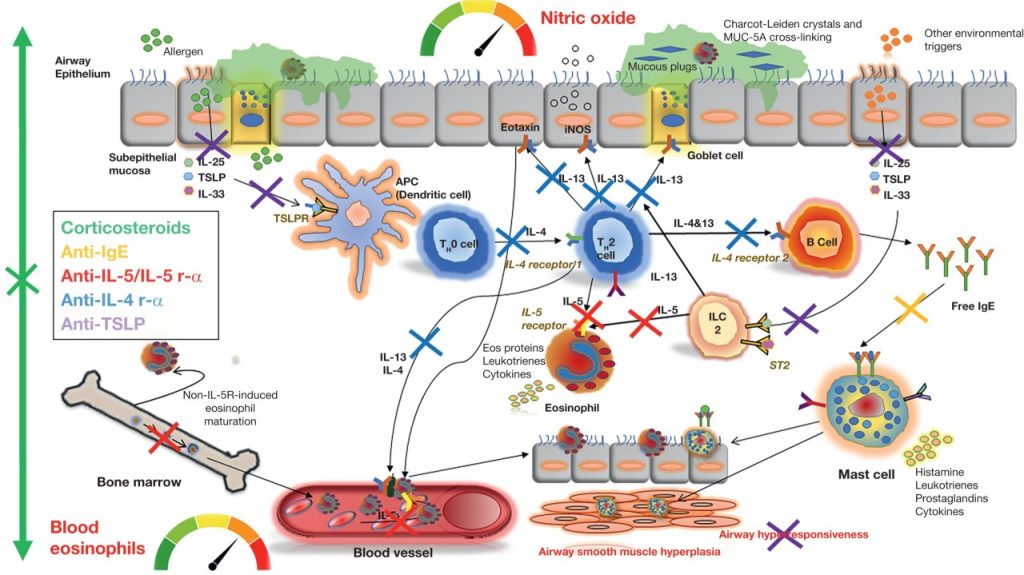
Choosing the Right Biologic for the Right Patient With Severe Asthma

Abstract In this installment of the How I Do It series on severe asthma, we tackle the clinical conundrum of choosing the right biologic for the right patient with severe asthma. With six biologics now approved for use in this area comprising four different targeting strategies (anti-Ig E: omalizumab; anti-IL-5 and anti-IL-5-receptor: mepolizumab, reslizumab, and

, , ,

Choosing the Right Biologic for the Right Patient With Severe Asthma Read Post »

Respiratory

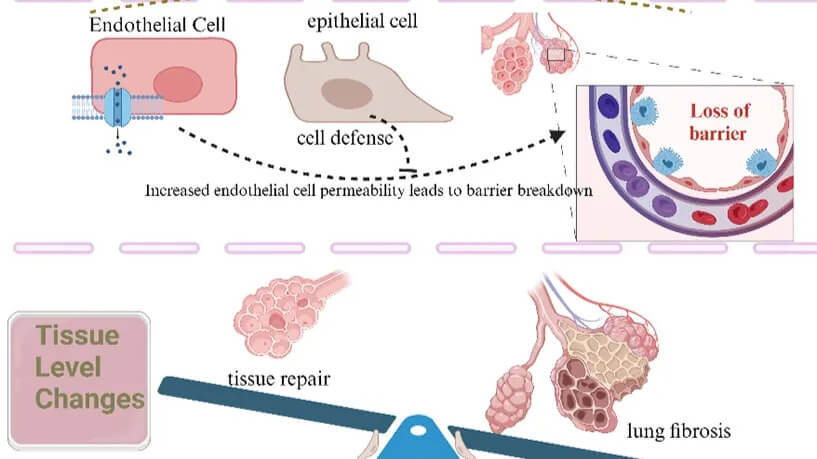
Pathophysiological mechanisms of ARDS: a narrative review from molecular to organ-level perspectives

Abstract Background Acute respiratory distress syndrome (ARDS) remains a life-threatening pulmonary condition with persistently high mortality rates despite significant advancements in supportive care. Its complex pathophysiology involves an intricate interplay of molecular and cellular processes, including cytokine storms, oxidative stress, programmed cell death, and disruption of the alveolar-capillary barrier. These mechanisms drive localized lung injury

,

Pathophysiological mechanisms of ARDS: a narrative review from molecular to organ-level perspectives Read Post »

Neurology

Mastering the brain in critical conditions: an update

Abstract Acute brain injuries, such as traumatic brain injury and ischemic and hemorragic stroke, are a leading cause of death and disability worldwide. While characterized by clearly distict primary events—vascular damage in strokes and biomechanical damage in traumatic brain injuries—they share common secondary injury mechanisms influencing long-term outcomes. Growing evidence suggests that a more personalized

, ,

Mastering the brain in critical conditions: an update Read Post »

Miscellaneous

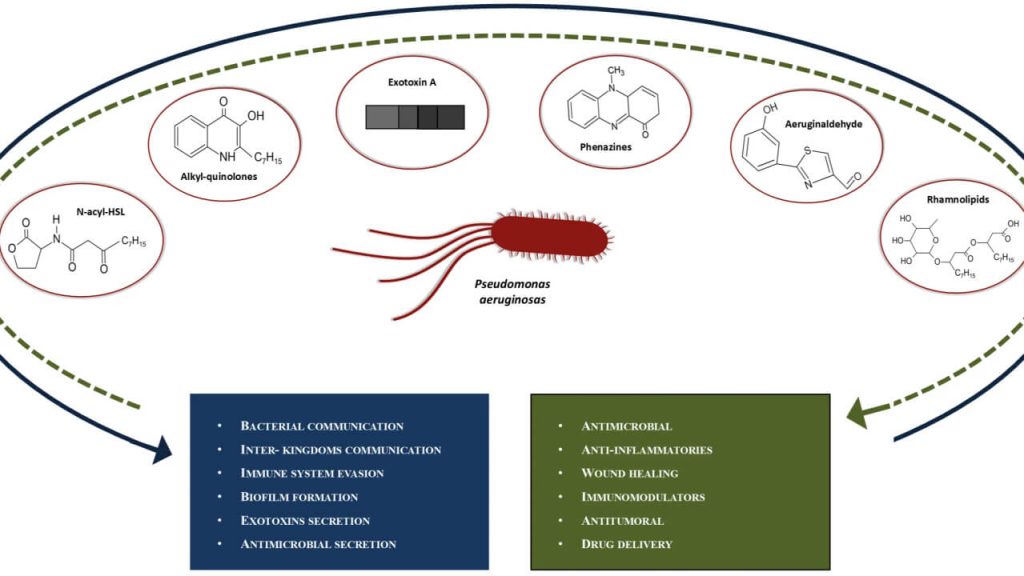
Pseudomonas aeruginosa: A Bacterial Platform for Biopharmaceutical Production

Abstract Pseudomonas aeruginosa is a metabolically versatile opportunistic pathogen capable of surviving in a range of environments. The major contribution to these abilities relies on virulence factor production, e.g., exotoxins, phenazines, and rhamnolipids, regulated through a hierarchical system of communication, named quorum sensing (QS). QS involves the production, release, and recognition of two classes of diffusible

, , ,

Pseudomonas aeruginosa: A Bacterial Platform for Biopharmaceutical Production Read Post »

Miscellaneous

Supporting the bereaved child in the adult ICU: a narrative review

Abstract Childhood bereavement is a significant issue globally, affecting millions of children each year, with incidence rates significantly increasing following the COVID-19 pandemic. The loss of an important adult, particularly in the ICU environment, can lead to lasting psychological and behavioural challenges for children. While family-centred practices in the ICU have advanced, the unique bereavement

, , ,

Supporting the bereaved child in the adult ICU: a narrative review Read Post »

Sepsis

“The NET effect”: Neutrophil extracellular traps—a potential key component of the dysregulated host immune response in sepsis

Abstract Neutrophils release neutrophil extracellular traps (NETs) as part of a healthy host immune response. NETs physically trap and kill pathogens as well as activating and facilitating crosstalk between immune cells and complement. Excessive or inadequately resolved NETs are implicated in the underlying pathophysiology of sepsis and other inflammatory diseases, including amplification of the inflammatory

, , , , , ,

“The NET effect”: Neutrophil extracellular traps—a potential key component of the dysregulated host immune response in sepsis Read Post »

Neurology

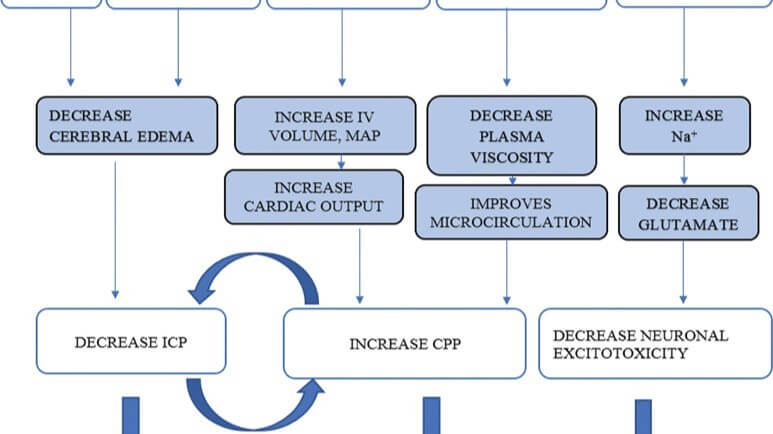
Use of Hypertonic Saline in Neuroanesthesia and Neurocritical Care Practice: A Narrative Review

Abstract Hypertonic saline (HTS) is a group of fluids containing sodium and chloride in a higher concentration as compared to physiological saline. The authors have conducted this review to evaluate the use of HTS in neuroanesthesia and neurocritical care. The articles for this narrative review on HTS were searched on databases like PubMed Central, EMBASE,

, ,

Use of Hypertonic Saline in Neuroanesthesia and Neurocritical Care Practice: A Narrative Review Read Post »

Scroll to Top