ARDS

Pulmonary, Respiratory

Fluid management strategies in critically ill patients with ARDS: a narrative review

Summary of “Fluid management strategies in critically ill patients with ARDS: a narrative review” (Ziaka and Exadaktylos) Abstract Summary: Ziaka and Exadaktylos comprehensively review fluid management strategies in patients with acute respiratory distress syndrome (ARDS), underscoring the delicate balance required between hypervolemia risks (lung edema, cardiopulmonary complications, and prolonged ventilatory support) and hypovolemia risks (acute […]

,

Fluid management strategies in critically ill patients with ARDS: a narrative review Read Post »
Respiratory

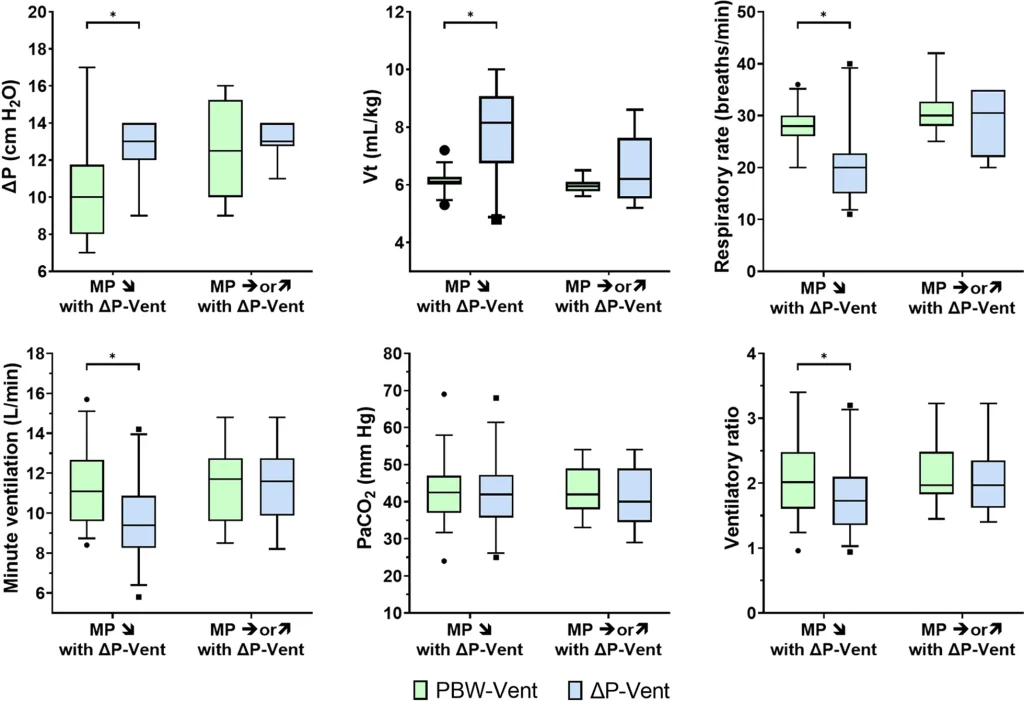
Driving pressure-guided ventilation decreases the mechanical power compared to predicted body weight-guided ventilation in the ARDS.

Summary of Driving Pressure-Guided Ventilation Decreases the Mechanical Power Compared to Predicted Body Weight-Guided Ventilation in the Acute Respiratory Distress Syndrome (Haudebourg et al.) Abstract Summary: Haudebourg et al. investigated the impact of driving pressure (ΔP)-guided ventilation versus predicted body weight (PBW)-guided ventilation on mechanical power in moderate-to-severe acute respiratory distress syndrome (ARDS) patients. Their

, ,

Driving pressure-guided ventilation decreases the mechanical power compared to predicted body weight-guided ventilation in the ARDS. Read Post »

Respiratory

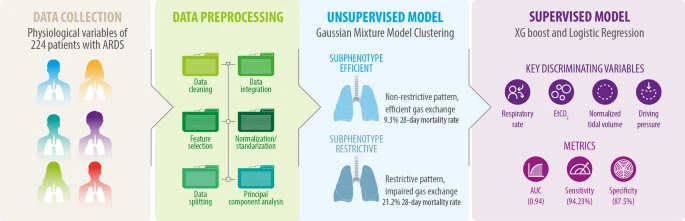
Machine learning-based identification of efficient and restrictive physiological subphenotypes in acute respiratory distress syndrome

Summary of Machine learning-based identification of efficient and restrictive physiological subphenotypes in acute respiratory distress syndrome (Meza-Fuentes et al.) Abstract Summary: Meza-Fuentes et al. utilized advanced machine learning methodologies to categorize Acute Respiratory Distress Syndrome (ARDS) into two distinct physiological subphenotypes: Efficient and Restrictive. By analyzing ventilatory mechanics and gas exchange parameters collected within the

, ,

Machine learning-based identification of efficient and restrictive physiological subphenotypes in acute respiratory distress syndrome Read Post »

Cardiovascular, Pulmonary

Right Ventricular Function in ARDS: Impact on Outcome, Respiratory Strategy and Use of VV-ECMO

Summary of Right Ventricular Function in Acute Respiratory Distress Syndrome: Impact on Outcome, Respiratory Strategy and Use of Veno-Venous Extracorporeal Membrane Oxygenation Abstract Summary: Petit et al. explore the pathophysiology of right ventricular (RV) dysfunction in Acute Respiratory Distress Syndrome (ARDS), emphasizing its significant impact on patient outcomes. The authors propose an RV-protective management strategy

,

Right Ventricular Function in ARDS: Impact on Outcome, Respiratory Strategy and Use of VV-ECMO Read Post »

Pulmonary

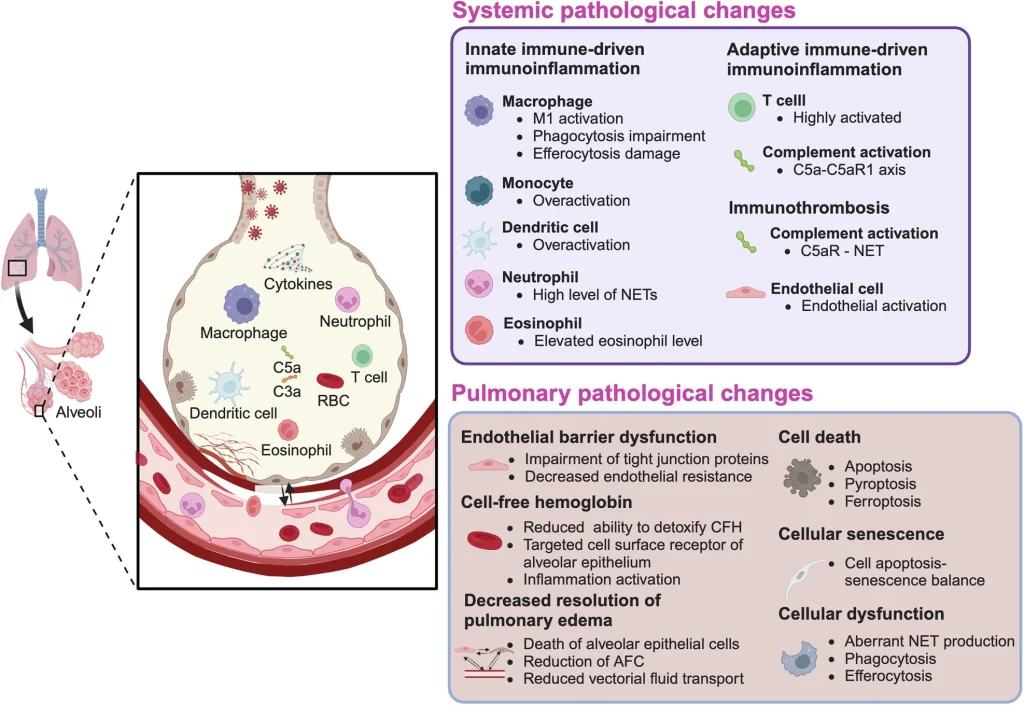
Advances in acute respiratory distress syndrome: focusing on heterogeneity, pathophysiology, and therapeutic strategies

Summary of “Advances in acute respiratory distress syndrome: focusing on heterogeneity, pathophysiology, and therapeutic strategies” Abstract This review addresses the growing complexity and heterogeneity of acute respiratory distress syndrome (ARDS), emphasizing its diverse pathophysiology, evolving clinical presentations, and variable treatment responses. Despite decades of study, ARDS remains a major cause of ICU mortality. The article

, ,

Advances in acute respiratory distress syndrome: focusing on heterogeneity, pathophysiology, and therapeutic strategies Read Post »

Pulmonary

Acute Respiratory Distress Syndrome and Fluid Management: Finding the Perfect Balance

Summary of “Acute Respiratory Distress Syndrome and Fluid Management: Finding the Perfect Balance” (J. Clin. Med. 2025, 14, 2067) Abstract Acute Respiratory Distress Syndrome (ARDS) is characterized by alveolar epithelial injury leading to capillary leak and alveolar flooding. While fluid therapy is often essential in early resuscitation, excessive fluid administration may exacerbate pulmonary edema, impair

,

Acute Respiratory Distress Syndrome and Fluid Management: Finding the Perfect Balance Read Post »

Renal

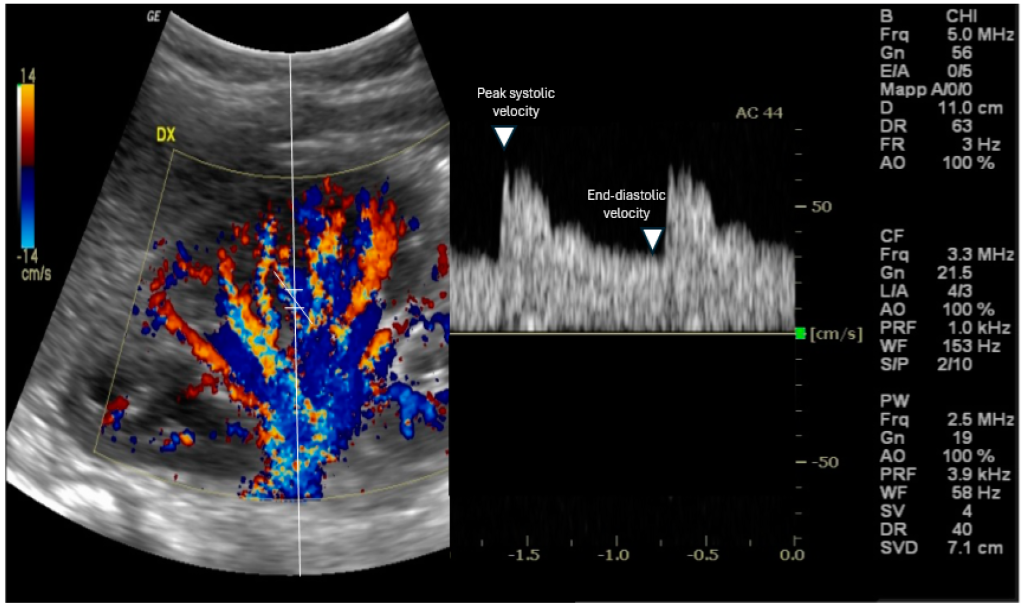
Exploring the Utility of Renal Resistive Index in Critical Care: Insights into ARDS and Cardiac Failure

Summary of “Exploring the Utility of Renal Resistive Index in Critical Care: Insights into ARDS and Cardiac Failure” Abstract The renal resistive index (RRI), a Doppler ultrasound-derived metric, offers a non-invasive window into renal hemodynamics, especially relevant in patients with acute respiratory distress syndrome (ARDS) and heart failure (HF). This narrative review explores RRI’s physiological

, ,

Exploring the Utility of Renal Resistive Index in Critical Care: Insights into ARDS and Cardiac Failure Read Post »

Pulmonary

Evaluating the impact of ESICM 2023 guidelines and the new global definition of ARDS on clinical outcomes: insights from MIMIC-IV cohort data

Summary of “Evaluating the Impact of ESICM 2023 Guidelines and the New Global Definition of ARDS on Clinical Outcomes: Insights from MIMIC-IV Cohort Data” Abstract In response to the newly proposed ARDS definitions by ESICM (2023) and the global consensus led by Matthay et al. (2024), this study investigates the clinical impact of these revised

,

Evaluating the impact of ESICM 2023 guidelines and the new global definition of ARDS on clinical outcomes: insights from MIMIC-IV cohort data Read Post »

Pulmonary

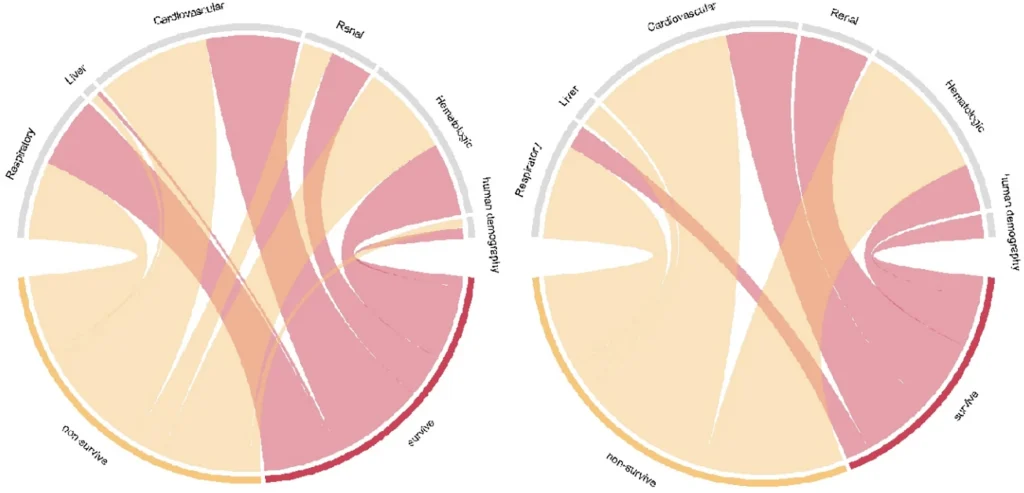
Anion gap predicting 90-Day mortality and guiding furosemide use in ARDS

Summary of “Anion gap predicting 90-Day mortality and guiding furosemide use in ARDS” Abstract This retrospective cohort study assessed whether the serum anion gap (AG), a marker of metabolic acidosis, could predict 90-day mortality in ARDS patients and guide furosemide use. Using the MIMIC-IV database, 11,227 patients with ARDS were analyzed. Higher AG levels correlated

, ,

Anion gap predicting 90-Day mortality and guiding furosemide use in ARDS Read Post »

Respiratory

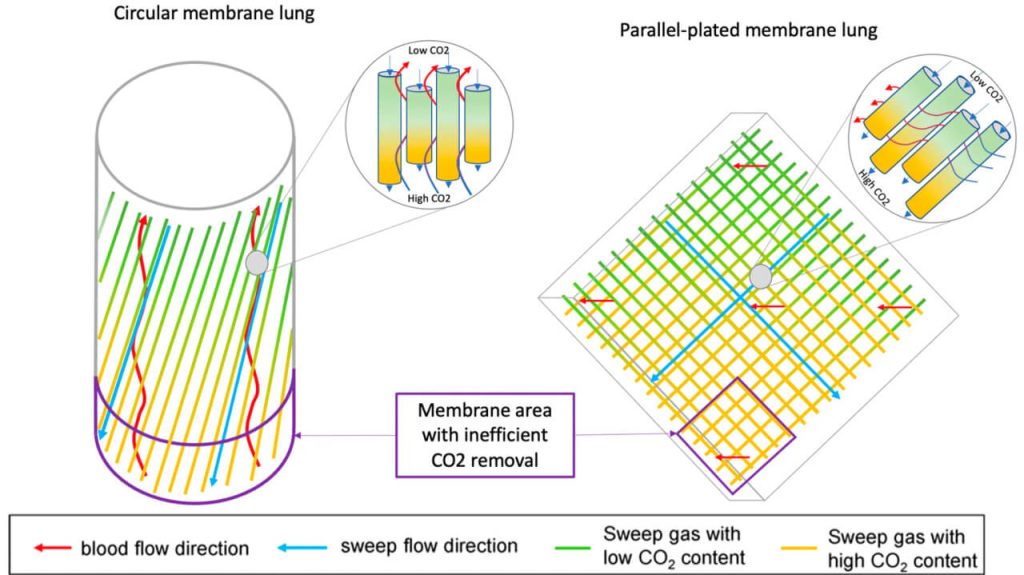
Recent Advances and Future Directions in Extracorporeal Carbon Dioxide Removal

Abstract Extracorporeal carbon dioxide removal (ECCO2R) is an emerging technique designed to reduce carbon dioxide (CO2) levels in venous blood while enabling lung-protective ventilation or alleviating the work of breathing. Unlike high-flow extracorporeal membrane oxygenation (ECMO), ECCO2R operates at lower blood flows (0.4–1.5 L/min), making it less invasive, with smaller cannulas and simpler devices. Despite

, , , , , ,

Recent Advances and Future Directions in Extracorporeal Carbon Dioxide Removal Read Post »

Scroll to Top