Mechanical Ventilation

Mechanical Ventilation

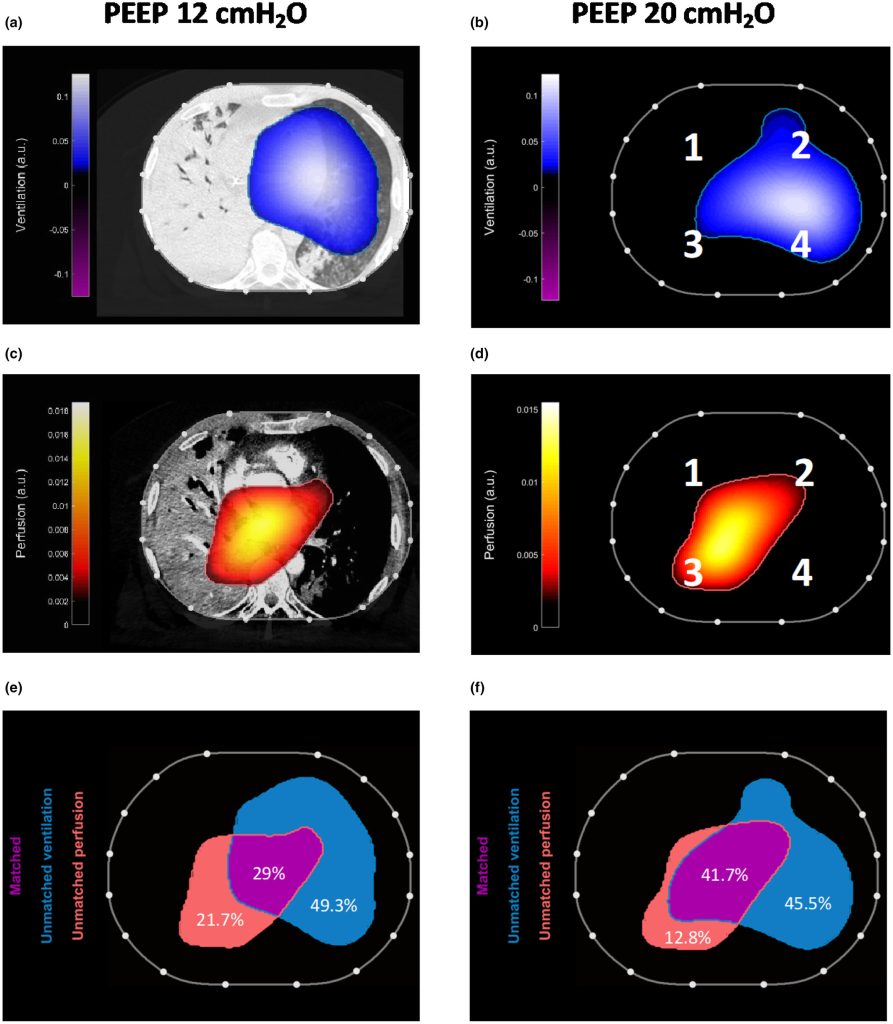
Personalized ventilation guided by electrical impedance tomography with increased PEEP improves ventilation-perfusion matching in asymmetrical airway

Summary of “Personalized ventilation guided by electrical impedance tomography with increased PEEP improves ventilation‐perfusion matching in asymmetrical airway closure and contralateral pulmonary embolism during veno‐venous extracorporeal membrane oxygenation: A case report” Abstract This case report describes a novel use of electrical impedance tomography (EIT) to guide personalized PEEP adjustments in a 54-year-old patient on ECMO […]
,

Personalized ventilation guided by electrical impedance tomography with increased PEEP improves ventilation-perfusion matching in asymmetrical airway Read Post »

Mechanical Ventilation

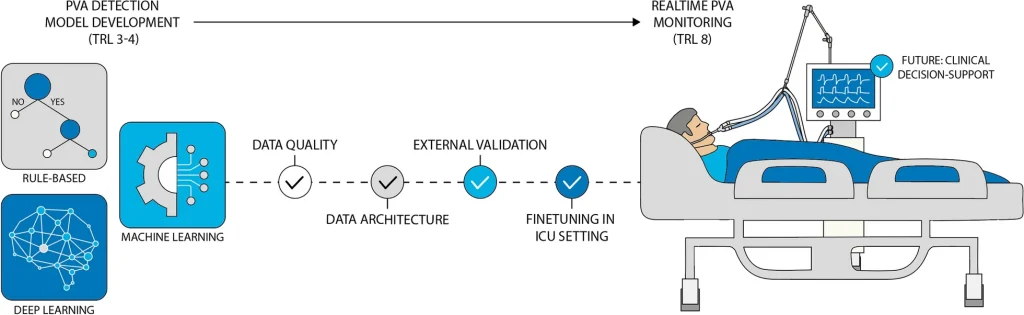
Let’s get in sync: current standing and future of AI-based detection of patient-ventilator asynchrony

Summary of “Let’s get in sync: current standing and future of AI-based detection of patient-ventilator asynchrony” Abstract Patient-ventilator asynchrony (PVA), a frequent mismatch between the patient’s breathing effort and ventilator support, can lead to adverse outcomes such as prolonged ventilation, lung injury, and diaphragm dysfunction. While visual detection is difficult and time-consuming, artificial intelligence (AI)

Let’s get in sync: current standing and future of AI-based detection of patient-ventilator asynchrony Read Post »

Mechanical Ventilation

Advances in achieving lung and diaphragm-protective ventilation

Summary of “Advances in achieving lung and diaphragm-protective ventilation” Abstract Mechanical ventilation, while lifesaving, poses risks to both lung and diaphragm integrity. This review discusses the latest evidence and technologies for monitoring and interventions that support the combined goal of lung- and diaphragm-protective ventilation (LDPV). It emphasizes noninvasive bedside strategies, optimal titration of ventilator support,

,

Advances in achieving lung and diaphragm-protective ventilation Read Post »

Mechanical Ventilation

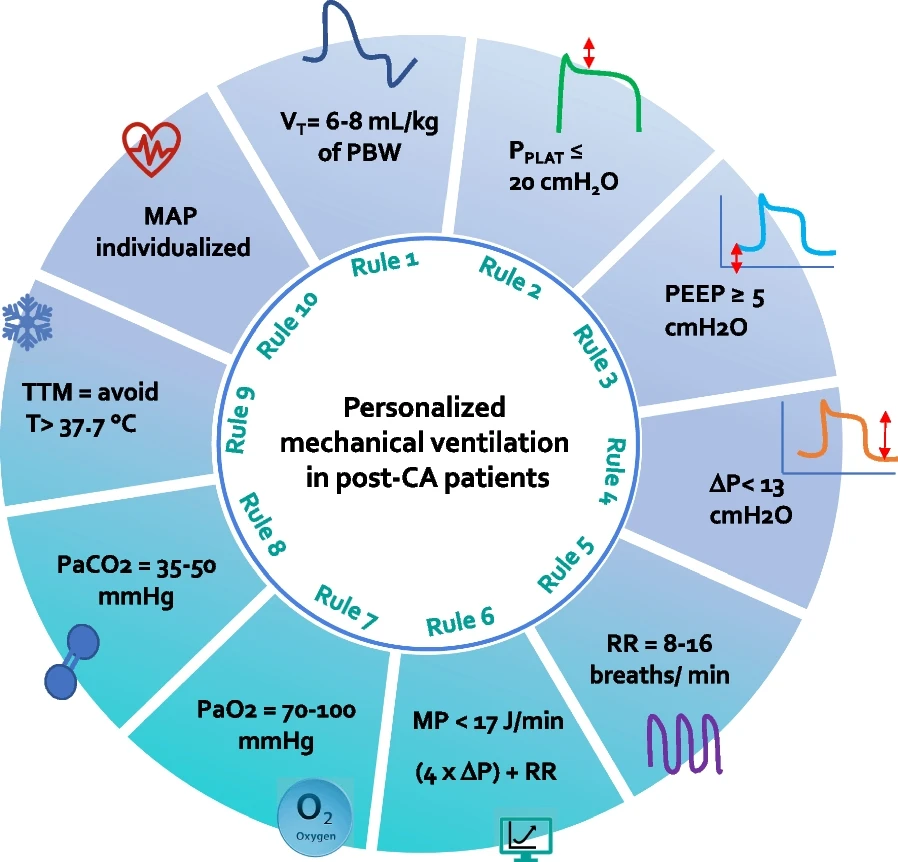
Ten rules for optimizing ventilatory settings and targets in post-cardiac arrest patients

Summary of “Ten rules for optimizing ventilatory settings and targets in post-cardiac arrest patients” Abstract This review proposes ten evidence-based rules to optimize mechanical ventilation in post-cardiac arrest (CA) patients. It focuses on lung-protective strategies, the balance of ventilator settings, and their influence on systemic physiology—especially cerebral function. Emphasizing parameters such as tidal volume, plateau

,

Ten rules for optimizing ventilatory settings and targets in post-cardiac arrest patients Read Post »

Mechanical Ventilation

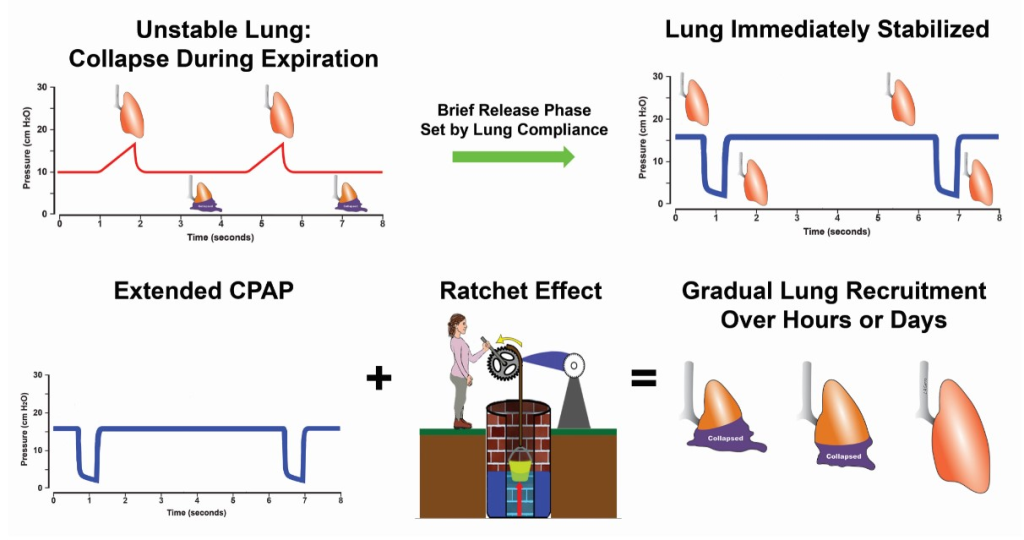
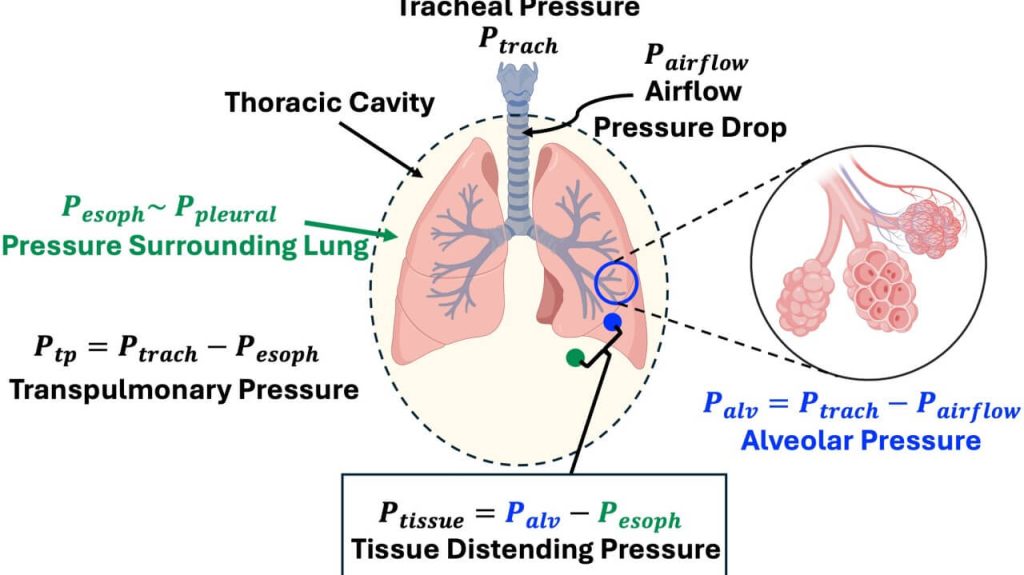
First Stabilize and then Gradually Recruit: A Paradigm Shift in Protective Mechanical Ventilation for Acute Lung Injury

Summary of “First Stabilize and then Gradually Recruit: A Paradigm Shift in Protective Mechanical Ventilation for Acute Lung Injury” Citation: Nieman GF, Kaczka DW, Andrews PL, et al. J Clin Med. 2023;12(14):4633. doi:10.3390/jcm12144633 Abstract The article introduces a new paradigm in mechanical ventilation for acute lung injury, emphasizing a “Stabilize Lung Approach” (SLA) over traditional

, ,

First Stabilize and then Gradually Recruit: A Paradigm Shift in Protective Mechanical Ventilation for Acute Lung Injury Read Post »

Mechanical Ventilation

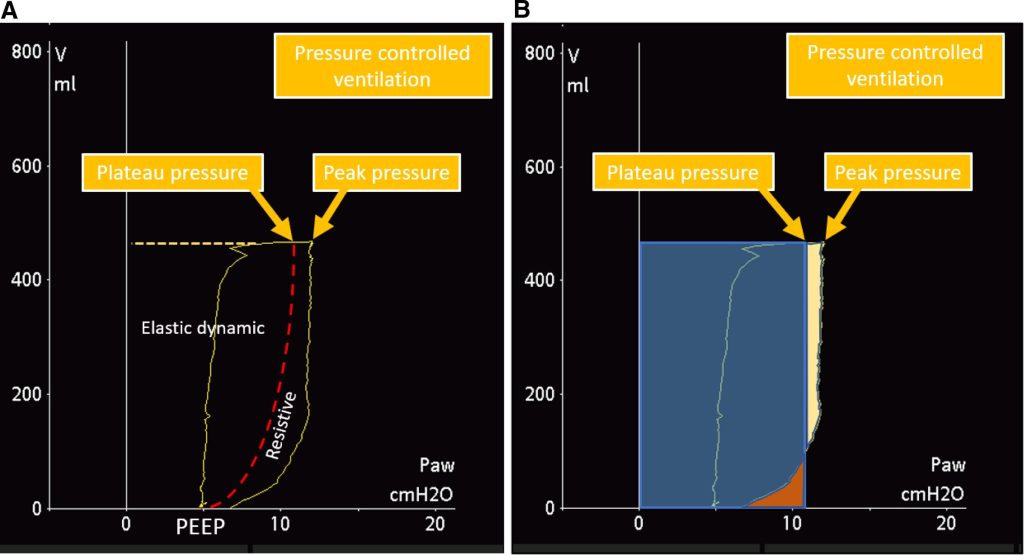
Mechanical Power in Pressure-Controlled Ventilation: A Simple and Reliable Bedside Method

Summary of Mechanical Power in Pressure-Controlled Ventilation: A Simple and Reliable Bedside Method Snoep JWM, Rietveld PJ, van der Velde-Quist F, de Jonge E, Schoe A. Crit Care Explor. 2025. Abstract This study presents a newly proposed equation for calculating mechanical power (MP) in pressure-controlled ventilation (PCV) that is both simple and accurate for bedside

, ,

Mechanical Power in Pressure-Controlled Ventilation: A Simple and Reliable Bedside Method Read Post »

Mechanical Ventilation

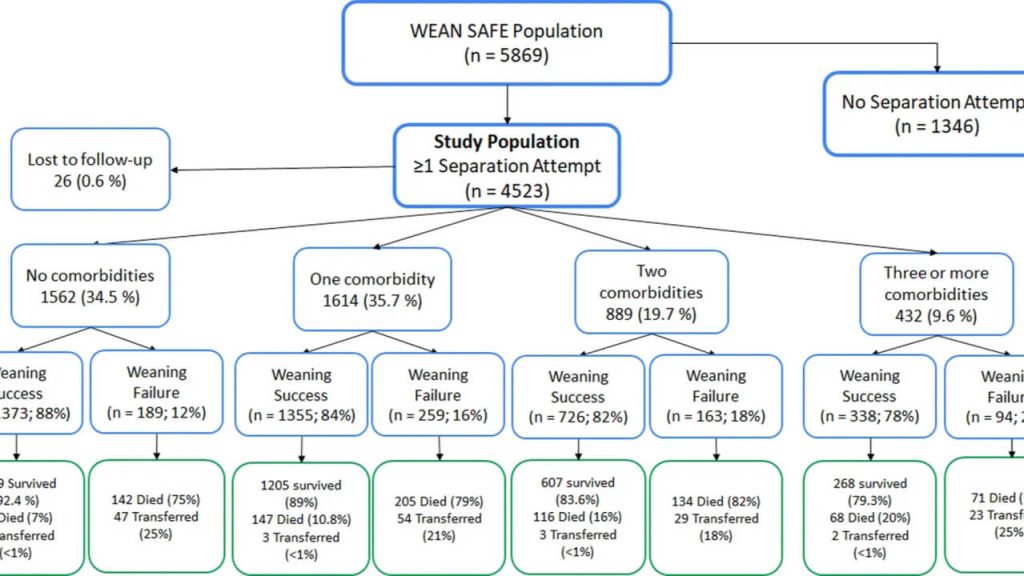
Impact of comorbidities on management and outcomes of patients weaning from invasive mechanical ventilation: insights from the WEAN SAFE study

Abstract Background The impact of comorbidities on patients weaning from invasive ventilation is incompletely understood. We wished to understand the impact of the number and type of comorbidities on patients’ weaning from invasive mechanical ventilation enrolled in the ‘WorldwidE AssessmeNt of Separation of pAtients From ventilatory assistancE (WEAN SAFE) study. Methods The study population consisted

, , , , , ,

Impact of comorbidities on management and outcomes of patients weaning from invasive mechanical ventilation: insights from the WEAN SAFE study Read Post »

Mechanical Ventilation

Setting the ventilator with AI support: challenges and perspectives

Mechanical ventilation (MV) is a cornerstone of intensive care medicine. However, when used inappropriately, it can cause additional harm, including a condition known as ventilator-induced lung injury (VILI) [1]. To mitigate this risk, lung-protective ventilation strategies are of utmost importance. It is, however, essential to note that lung-protective ventilation is also currently evolving from “standard

,

Setting the ventilator with AI support: challenges and perspectives Read Post »

Mechanical Ventilation

Mechanical ventilation energy analysis: Recruitment focuses injurious power in the ventilated lung

Abstract The progression of acute respiratory distress syndrome (ARDS) from its onset due to disease or trauma to either recovery or death is poorly understood. Currently, there are no generally accepted treatments aside from supportive care using mechanical ventilation. However, this can lead to ventilator-induced lung injury (VILI), which contributes to a 30 to 40%

, , ,

Mechanical ventilation energy analysis: Recruitment focuses injurious power in the ventilated lung Read Post »

Mechanical Ventilation

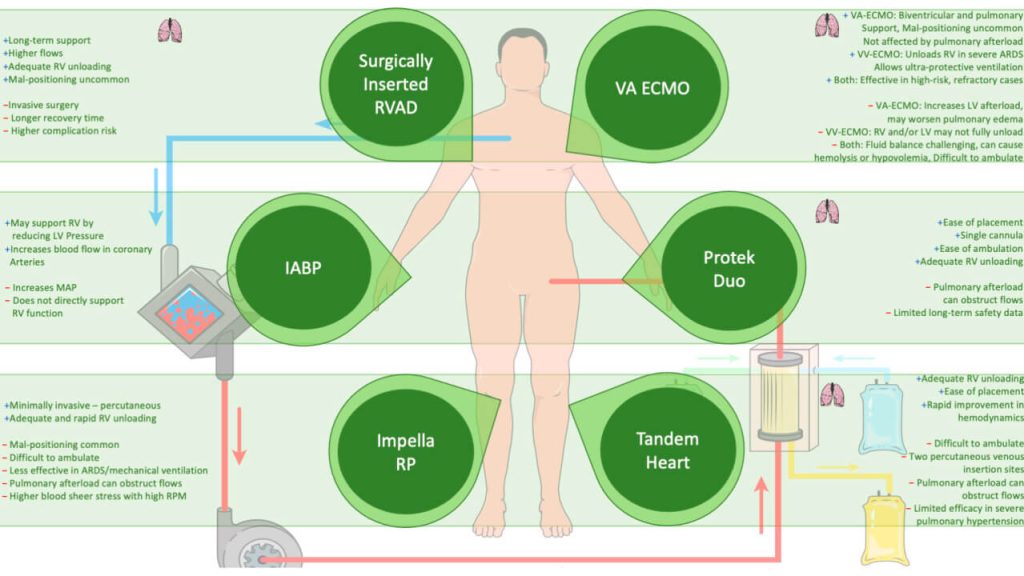
Navigating Heart–Lung Interactions in Mechanical Ventilation: Pathophysiology, Diagnosis, and Advanced Management Strategies in ARDS and Beyond

Abstract Patients in critical condition who require mechanical ventilation experience intricate interactions between their respiratory and cardiovascular systems. These complex interactions are crucial for clinicians to understand as they can significantly influence therapeutic decisions and patient outcomes. A deep understanding of heart–lung interactions is essential, particularly under the stress of mechanical ventilation, where the right

, , , , , ,

Navigating Heart–Lung Interactions in Mechanical Ventilation: Pathophysiology, Diagnosis, and Advanced Management Strategies in ARDS and Beyond Read Post »

Scroll to Top