January 2025

Miscellaneous

Assessing fluid responsiveness with ultrasound in the neonatal intensive care setting: the mini-fluid challenge

Abstract The mini-fluid challenge (MFC) can guide individualised fluid therapy and prevent fluid overload and associated morbidity in adult intensive care patients. This ultrasound test is based on the Frank-Starling principles to assess dynamic fluid responsiveness, but limited MFC data exists for newborns. This brief report describes the feasibility of the MFC in 12 preterm infants […]

, , ,

Assessing fluid responsiveness with ultrasound in the neonatal intensive care setting: the mini-fluid challenge Read Post »

Mechanical Ventilation, Miscellaneous

Echocardiography in the Ventilated Patient: What the Clinician Has to Know

Abstract Heart and lung sharing the same anatomical space are influenced by each other. Spontaneous breathing induces dynamic changes in intrathoracic pressure, impacting cardiac function, particularly the right ventricle. In intensive care units (ICU), mechanical ventilation (MV) and therefore positive end-expiratory pressure (PEEP) are often applied, and this inevitably influences cardiac function. In ventilated patients,

, , , , , ,

Echocardiography in the Ventilated Patient: What the Clinician Has to Know Read Post »

Neurology

Neuromodulation in the intensive care unit

Neuromodulation, through various forms of invasive and noninvasive stimulations at the central or peripheral level, can enhance or suppress neural activities, offering the potential for therapeutic intervention. Studies of neuromodulation have reported intriguing clinical outcomes and promising application prospects across various disciplines, particularly in the realm of novel therapeutic modalities. Critically ill patients are commonly

, , ,

Neuromodulation in the intensive care unit Read Post »

Circulatory, Renal

Advancements in understanding the mechanisms of lung–kidney crosstalk

Abstract This narrative review delves into the intricate interplay between the lungs and the kidneys, with a focus on elucidating the pathogenesis of diseases influenced by immunological factors, acid–base regulation, and blood gas disturbances, as well as assessing the effects of various therapeutic modalities on these interactions. Key disorders, such as anti-glomerular basement membrane (anti-GBM)

, , , , , ,

Advancements in understanding the mechanisms of lung–kidney crosstalk Read Post »

Circulatory, Mechanical Ventilation, Respiratory

Airway management and ventilation techniques in resuscitation during advanced life support: an update

Abstract For many years, ventilation has been an essential part of advanced life support (ALS) in cardiopulmonary resuscitation (CPR). Nevertheless, there is little evidence about the best method of ventilation during resuscitation for both out-of-hospital cardiac arrest (OHCA) and inhospital cardiac arrest (IHCA) patients. Effective ventilation is one of the two main keys to successful

, , , , ,

Airway management and ventilation techniques in resuscitation during advanced life support: an update Read Post »

Pharmacological Insights in Critical Care

Activity of Antiseptics Against Pseudomonas aeruginosa and Its Adaptation Potential

Abstract Background/Objectives: Pseudomonas aeruginosa rapidly acquires antibiotic resistance and demonstrates increasing tolerance to antiseptics. This study evaluated the activity of eight antiseptics against P. aeruginosa, assessed its ability to develop adaptation to these antiseptics, and, for the first time, determined the Karpinski Adaptation Index (KAI) for this bacterium. Methods: The minimal inhibitory concentration (MIC), susceptibility to antibiotics, bactericidal

, ,

Activity of Antiseptics Against Pseudomonas aeruginosa and Its Adaptation Potential Read Post »

Mechanical Ventilation, Respiratory

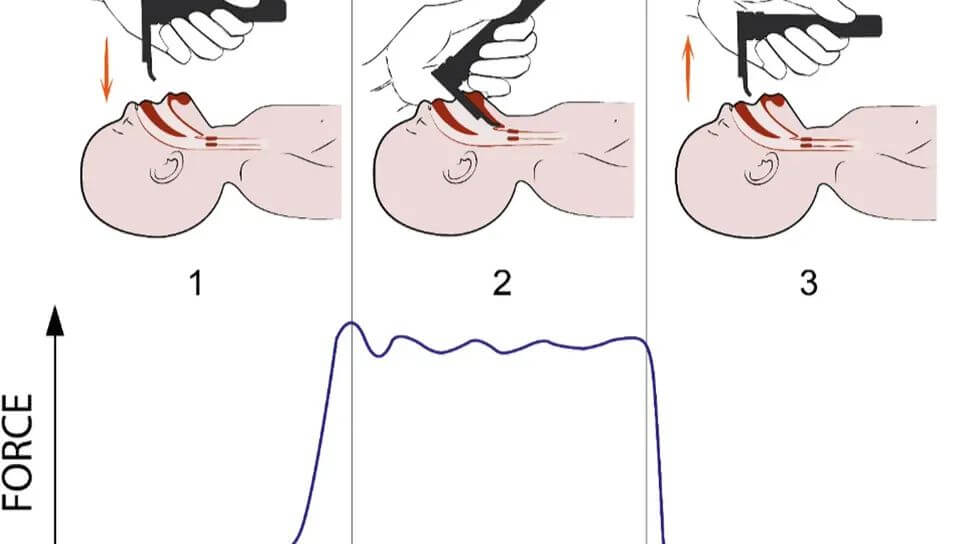
Neonatal intubation: what are we doing?

Abstract How and when the forces are applied during neonatal intubation are currently unknown. This study investigated the pattern of the applied forces by using sensorized laryngoscopes during the intubation process in a neonatal manikin. Nine users of direct laryngoscope and nine users of straight-blade video laryngoscope were included in a neonatal manikin study. During

,

Neonatal intubation: what are we doing? Read Post »

Sepsis

Megakaryocyte in sepsis: the trinity of coagulation, inflammation and immunity

Abstract Background Megakaryocytes are traditionally recognized as cells responsible for platelet production. However, beyond their role in thrombopoiesis, megakaryocytes also participate in inflammatory responses and regulate immune system functions. Sepsis, characterized by life-threatening organ dysfunction due to a dysregulated response to infection, prominently features coagulopathy, severe inflammation, and immune dysfunction as key pathophysiological aspects. Aim

, , , ,

Megakaryocyte in sepsis: the trinity of coagulation, inflammation and immunity Read Post »

Neurology

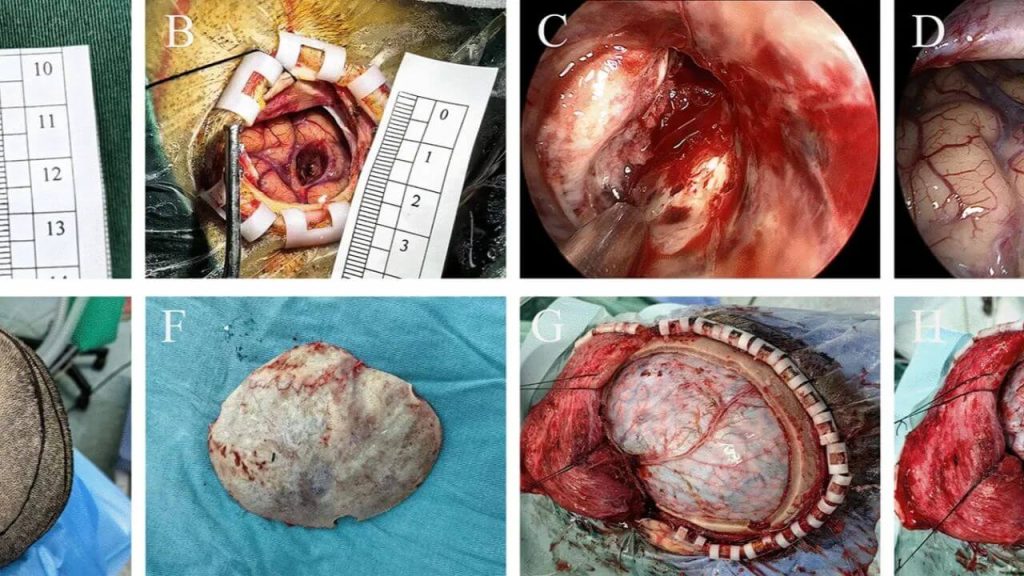
Feasibility Study of Endoscopic Surgery for Spontaneous Intracerebral Hemorrhage with Large Hematoma: a Comparison with Craniotomy Using Propensity Score Matching Analysis

Abstract Background Spontaneous intracerebral hemorrhage (ICH) with large hematomas is commonly treated with craniotomy combined with decompressive craniectomy, procedures that involve huge trauma and require subsequent cranioplasty. Recently, endoscopic surgery has shown significant promise in treating ICH, but its feasibility for large hematomas remains uncertain. Therefore, this study aims to compare endoscopic surgery with craniotomy

, , , ,

Feasibility Study of Endoscopic Surgery for Spontaneous Intracerebral Hemorrhage with Large Hematoma: a Comparison with Craniotomy Using Propensity Score Matching Analysis Read Post »

Mechanical Ventilation, Respiratory

Ventilator-associated pneumonia: pathobiological heterogeneity and diagnostic challenges

Abstract Ventilator-associated pneumonia (VAP) affects up to 20% of critically ill patients and induces significant antibiotic prescription pressure, accounting for half of all antibiotic use in the ICU. VAP significantly increases hospital length of stay and healthcare costs yet is also associated with long-term morbidity and mortality. The diagnosis of VAP continues to present challenges

, , ,

Ventilator-associated pneumonia: pathobiological heterogeneity and diagnostic challenges Read Post »

Scroll to Top