January 2025

Miscellaneous

The non-haemorrhagic vagal response to trauma: a review of hypotensive and bradycardic responses to injury in the absence of bleeding

Abstract Purpose Trauma has the potential to cause haemorrhage, tissue damage, pain, visceral manipulation and psychological distress. Each of these consequences of trauma can cause changes in autonomic outflow, which dictates a patient’s vital signs. Patients who are hypotensive and bradycardic due to a vagally mediated parasympathetic response to pain, psychological distress and visceral manipulation […]
, , ,

The non-haemorrhagic vagal response to trauma: a review of hypotensive and bradycardic responses to injury in the absence of bleeding Read Post »

Pharmacological Insights in Critical Care, Sepsis

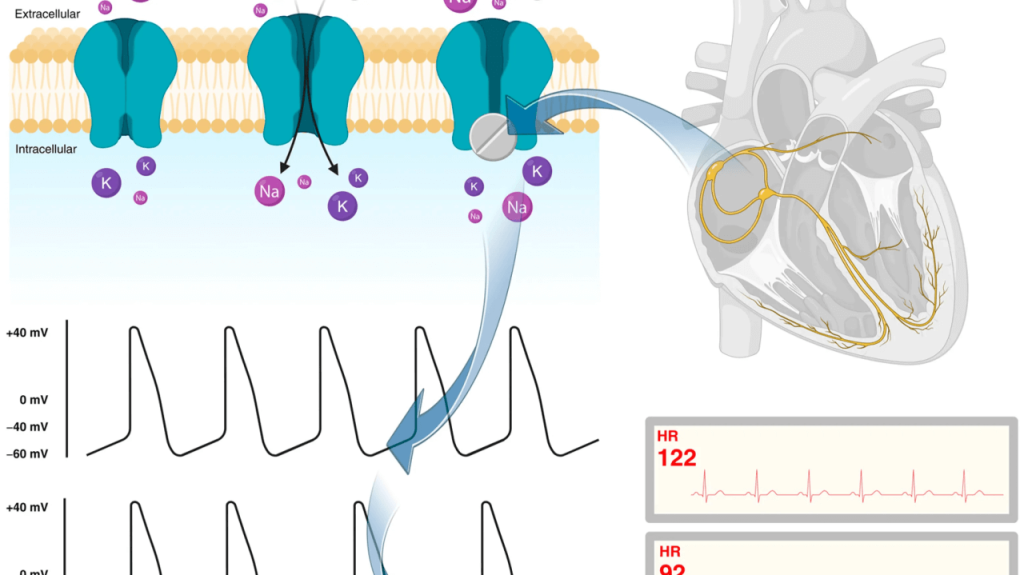
Ivabradine in Septic Shock: A Narrative Review

Abstract In patients with septic shock, compensatory tachycardia initially serves to maintain adequate cardiac output and tissue oxygenation but may persist despite appropriate fluid and vasopressor resuscitation. This sustained elevation in heart rate and altered heart rate variability, indicative of autonomic dysfunction, is a well-established independent predictor of adverse outcomes in critical illness. Elevated heart

, , , , ,

Ivabradine in Septic Shock: A Narrative Review Read Post »

Miscellaneous, Respiratory

Comparative efficacy and safety of pulmonary surfactant delivery strategies in neonatal RDS: a network meta-analysis

Abstract Purpose To compare five pulmonary surfactant (PS) administration strategies for neonates with respiratory distress syndrome (RDS), including intubation-surfactant-extubation (InSurE), thin catheter administration, laryngeal mask airway (LMA), surfactant nebulization (SN), and usual care, with a particular emphasis on the comparison of the LMA and SN with other strategies. Methods We conducted a systematic search of

Comparative efficacy and safety of pulmonary surfactant delivery strategies in neonatal RDS: a network meta-analysis Read Post »

Sepsis

The role of peripheral perfusion markers and lactate in septic shock resuscitation

Abstract Septic shock leads to progressive hypoperfusion and tissue hypoxia. Unfortunately, numerous uncertainties exist around the best monitoring strategy, as available techniques are mere surrogates for these phenomena. Nevertheless, central venous oxygen saturation (ScvO2), venous-to-arterial CO2 gap, and lactate normalization have been fostered as resuscitation targets for septic shock. Moreover, recent evidence has challenged the central role of lactate. Following

, ,

The role of peripheral perfusion markers and lactate in septic shock resuscitation Read Post »

Mechanical Ventilation

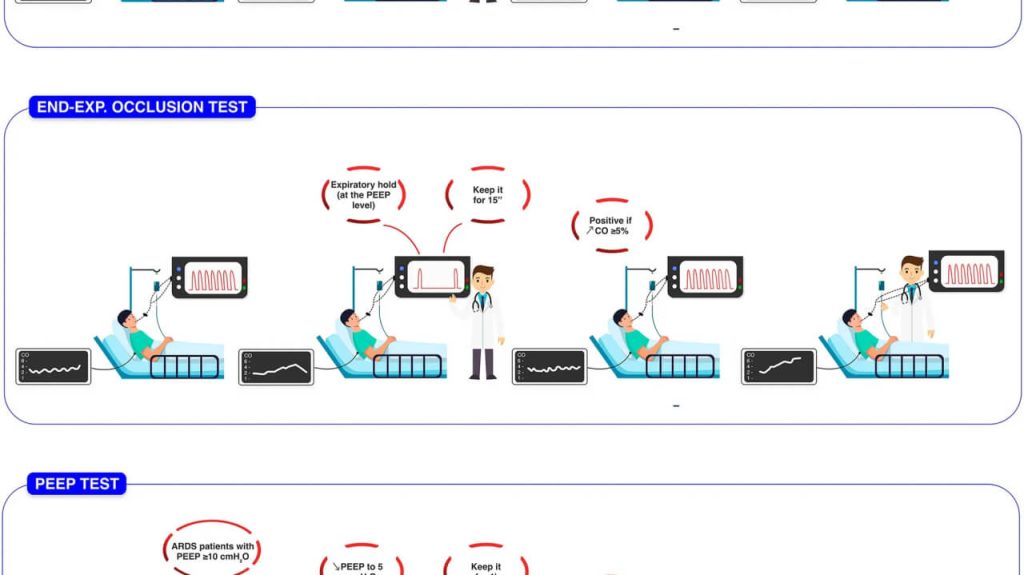
Using the ventilator to predict fluid responsiveness

During acute circulatory failure, infusing fluids as first line therapy is the source of a therapeutic dilemma [increase in cardiac output (CO) and improvement of tissue perfusion vs. inconsistent effectiveness and risk of fluid accumulation]. Predicting effectiveness of a fluid bolus on CO before infusing it avoids administering fluid to patients who do not require

, ,

Using the ventilator to predict fluid responsiveness Read Post »

Circulatory

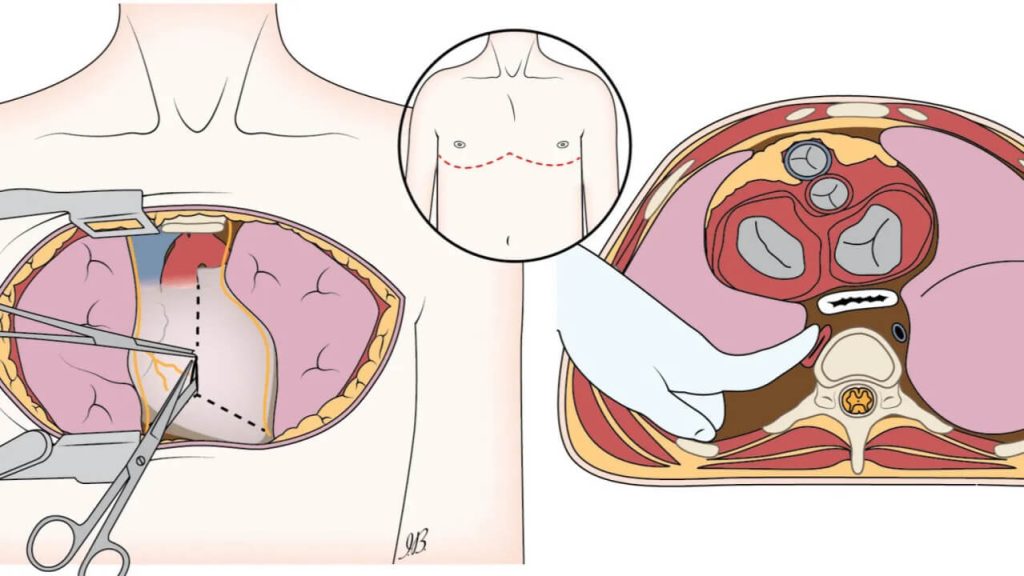
Contemporary management of traumatic cardiac arrest and peri-arrest states: a narrative review

Abstract Trauma is a leading cause of death and disability worldwide across all age groups, with traumatic cardiac arrest (TCA) presenting a significant economic and societal burden due to the loss of productive life years. Despite TCA’s high mortality rate, recent evidence indicates that survival with good and moderate neurological recovery is possible. Successful resuscitation

, , , , ,

Contemporary management of traumatic cardiac arrest and peri-arrest states: a narrative review Read Post »

Renal

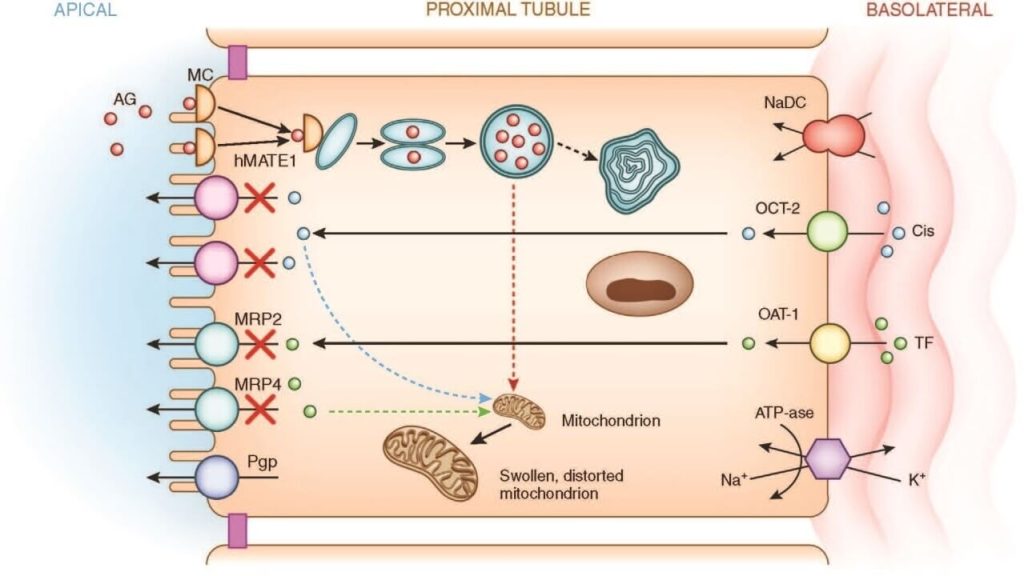
Drug-Induced Acute Kidney Injury

Abstract Medications are a common cause of AKI, especially for patients admitted to hospital wards and the intensive care unit. Although drug-related kidney injury occurs through different mechanisms, this review will focus on three specific types of tubulointerstitial injury. Direct acute tubular injury develops from several medications, which are toxic to various cellular functions. Their

, , , , , ,

Drug-Induced Acute Kidney Injury Read Post »

Miscellaneous

Artificial intelligence in pediatric allergy research

Abstract Atopic dermatitis, food allergy, allergic rhinitis, and asthma are among the most common diseases in childhood. They are heterogeneous diseases, can co-exist in their development, and manifest complex associations with other disorders and environmental and hereditary factors. Elucidating these intricacies by identifying clinically distinguishable groups and actionable risk factors will allow for better understanding

, , , ,

Artificial intelligence in pediatric allergy research Read Post »

Sepsis

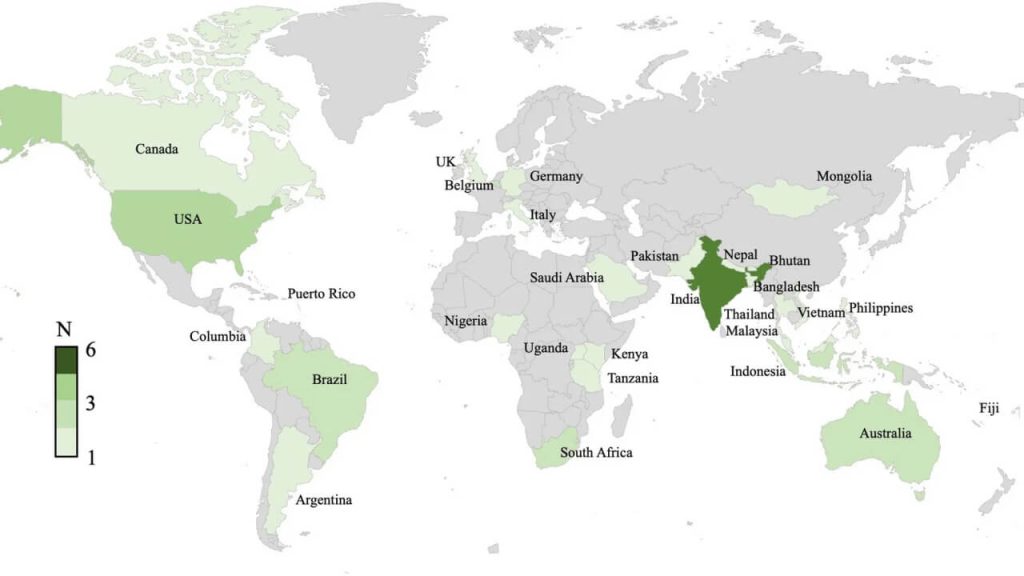
Management of adult sepsis in resource-limited settings: global expert consensus statements using a Delphi method

Abstract Purpose To generate consensus and provide expert clinical practice statements for the management of adult sepsis in resource-limited settings. Methods An international multidisciplinary Steering Committee with expertise in sepsis management and including a Delphi methodologist was convened by the Asia Pacific Sepsis Alliance (APSA). The committee selected an international panel of clinicians and researchers with

, , , , ,

Management of adult sepsis in resource-limited settings: global expert consensus statements using a Delphi method Read Post »

Respiratory

Understanding ventilator-induced lung injury: The role of mechanical power

Abstract Mechanical ventilation stands as a life-saving intervention in the management of respiratory failure. However, it carries the risk of ventilator-induced lung injury. Despite the adoption of lung-protective ventilation strategies, including lower tidal volumes and pressure limitations, mortality rates remain high, leaving room for innovative approaches. The concept of mechanical power has emerged as a

, , , ,

Understanding ventilator-induced lung injury: The role of mechanical power Read Post »

Scroll to Top