Sepsis

Sepsis

Megakaryocyte in sepsis: the trinity of coagulation, inflammation and immunity

Abstract Background Megakaryocytes are traditionally recognized as cells responsible for platelet production. However, beyond their role in thrombopoiesis, megakaryocytes also participate in inflammatory responses and regulate immune system functions. Sepsis, characterized by life-threatening organ dysfunction due to a dysregulated response to infection, prominently features coagulopathy, severe inflammation, and immune dysfunction as key pathophysiological aspects. Aim […]

, , , ,

Megakaryocyte in sepsis: the trinity of coagulation, inflammation and immunity Read Post »
Pharmacological Insights in Critical Care, Sepsis

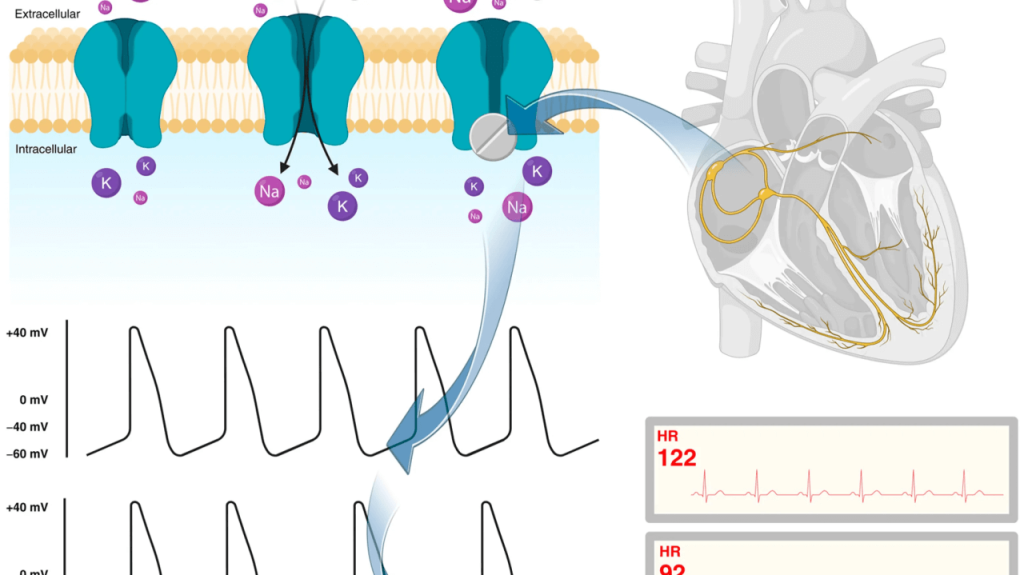
Ivabradine in Septic Shock: A Narrative Review

Abstract In patients with septic shock, compensatory tachycardia initially serves to maintain adequate cardiac output and tissue oxygenation but may persist despite appropriate fluid and vasopressor resuscitation. This sustained elevation in heart rate and altered heart rate variability, indicative of autonomic dysfunction, is a well-established independent predictor of adverse outcomes in critical illness. Elevated heart

, , , , ,

Ivabradine in Septic Shock: A Narrative Review Read Post »

Sepsis

The role of peripheral perfusion markers and lactate in septic shock resuscitation

Abstract Septic shock leads to progressive hypoperfusion and tissue hypoxia. Unfortunately, numerous uncertainties exist around the best monitoring strategy, as available techniques are mere surrogates for these phenomena. Nevertheless, central venous oxygen saturation (ScvO2), venous-to-arterial CO2 gap, and lactate normalization have been fostered as resuscitation targets for septic shock. Moreover, recent evidence has challenged the central role of lactate. Following

, ,

The role of peripheral perfusion markers and lactate in septic shock resuscitation Read Post »

Sepsis

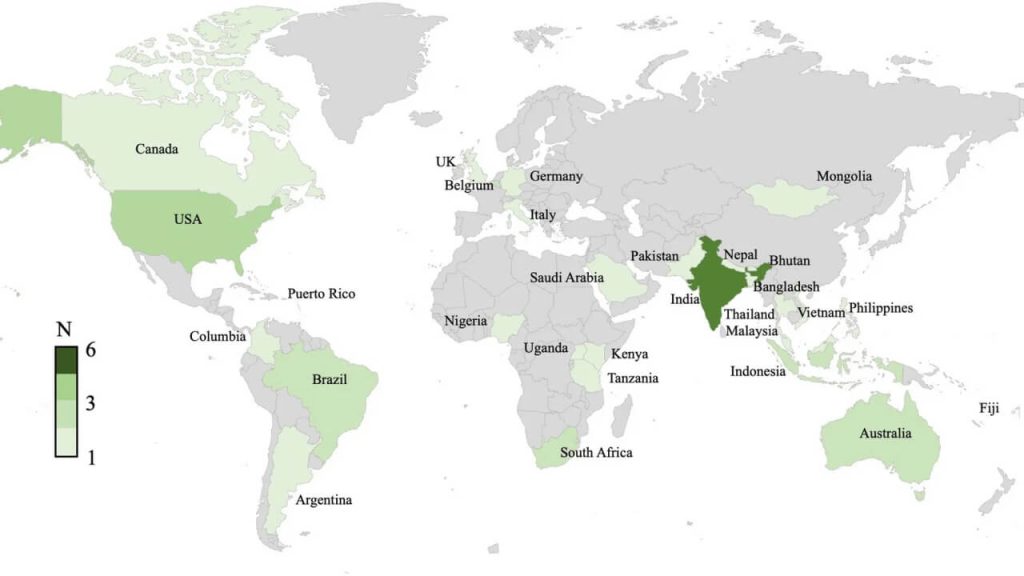
Management of adult sepsis in resource-limited settings: global expert consensus statements using a Delphi method

Abstract Purpose To generate consensus and provide expert clinical practice statements for the management of adult sepsis in resource-limited settings. Methods An international multidisciplinary Steering Committee with expertise in sepsis management and including a Delphi methodologist was convened by the Asia Pacific Sepsis Alliance (APSA). The committee selected an international panel of clinicians and researchers with

, , , , ,

Management of adult sepsis in resource-limited settings: global expert consensus statements using a Delphi method Read Post »

Sepsis

Mitochondrial dysfunction in sepsis: mechanisms and therapeutic perspectives

Abstract Sepsis is a severe medical condition characterized by a systemic inflammatory response, often culminating in multiple organ dysfunction and high mortality rates. In recent years, there has been a growing recognition of the pivotal role played by mitochondrial damage in driving the progression of sepsis. Various factors contribute to mitochondrial impairment during sepsis, encompassing

, ,

Mitochondrial dysfunction in sepsis: mechanisms and therapeutic perspectives Read Post »

Sepsis

Differential effects of thiamine and ascorbic acid in clusters of septic patients identified by latent variable analysis

Abstract Background Thiamine and ascorbic acid have been proposed to mitigate the devastating consequences of sepsis and septic shock. To date, randomized controlled trials have failed to demonstrate a benefit of these therapies and heterogeneity of treatment effect is suspected. In this study, we aimed at assessing the heterogeneity of treatment effect of thiamine (B1)

, ,

Differential effects of thiamine and ascorbic acid in clusters of septic patients identified by latent variable analysis Read Post »

Sepsis

Mortality in septic patients treated with short-acting betablockers: a comprehensive meta-analysis of randomized controlled trials

Abstract Background Treatment with short-acting betablockers in septic patients remains controversial. Two recent large multicenter trials have provided additional evidence on this therapeutic approach. We thus performed a meta-analysis, including the most recent data, to evaluate the potential impacts of treatment with short-acting betablockers on mortality in adult septic patients. Methods The data search included

, , , , ,

Mortality in septic patients treated with short-acting betablockers: a comprehensive meta-analysis of randomized controlled trials Read Post »

Sepsis

Microcirculation: Current Perspective in Diagnostics, Imaging, and Clinical Applications

Abstract This review discusses the pivotal role of microcirculation in maintaining tissue oxygenation and waste removal and highlights its significance in various pathological conditions. It delves into the cellular mechanisms underlying hemodynamic coherence, elucidating the roles of the endothelium, glycocalyx, and erythrocytes in sustaining microcirculatory integrity. Furthermore, the review gives comprehensive information about microcirculatory changes

, ,

Microcirculation: Current Perspective in Diagnostics, Imaging, and Clinical Applications Read Post »

Circulatory, Sepsis

Venoarterial extracorporeal membrane oxygenation to rescue sepsis-induced cardiogenic shock: a retrospective, multicentre, international cohort study

Summary   Background Patients with sepsis-induced cardiomyopathy with cardiogenic shock have a high mortality. This study assessed venoarterial extracorporeal membrane oxygenation (VA-ECMO) support for sepsis-induced cardiogenic shock refractory to conventional treatments. Methods In this retrospective, multicentre, international cohort study, we compared outcomes of 82 patients (aged ≥18 years) with septic shock who received VA-ECMO at

, , ,

Venoarterial extracorporeal membrane oxygenation to rescue sepsis-induced cardiogenic shock: a retrospective, multicentre, international cohort study Read Post »

Circulatory, Sepsis

Venoarterial extracorporeal membrane oxygenation to rescue sepsis-induced cardiogenic shock: a retrospective, multicentre, international cohort study

Summary Background Patients with sepsis-induced cardiomyopathy with cardiogenic shock have a high mortality. This study assessed venoarterial extracorporeal membrane oxygenation (VA-ECMO) support for sepsis-induced cardiogenic shock refractory to conventional treatments. Methods In this retrospective, multicentre, international cohort study, we compared outcomes of 82 patients (aged ≥18 years) with septic shock who received VA-ECMO at five

, , ,

Venoarterial extracorporeal membrane oxygenation to rescue sepsis-induced cardiogenic shock: a retrospective, multicentre, international cohort study Read Post »

Scroll to Top