Sepsis

Sepsis

Sepsis-induced cardiac dysfunction: mitochondria and energy metabolism

Summary of Sepsis-induced cardiac dysfunction: mitochondria and energy metabolism (Yu et al.) Abstract Summary: Yu et al. systematically reviewed the pathophysiological mechanisms underlying sepsis-induced myocardial dysfunction (SIMD), emphasizing mitochondrial dysfunction and disruptions in myocardial energy metabolism. The review highlights critical aspects, including alterations in myocardial substrates, mitochondrial damage, oxidative stress, calcium imbalance, mitochondrial DNA (mtDNA) […]

, ,

Sepsis-induced cardiac dysfunction: mitochondria and energy metabolism Read Post »

Sepsis

Metabolic septic shock sub-phenotypes, stability over time and association with clinical outcome

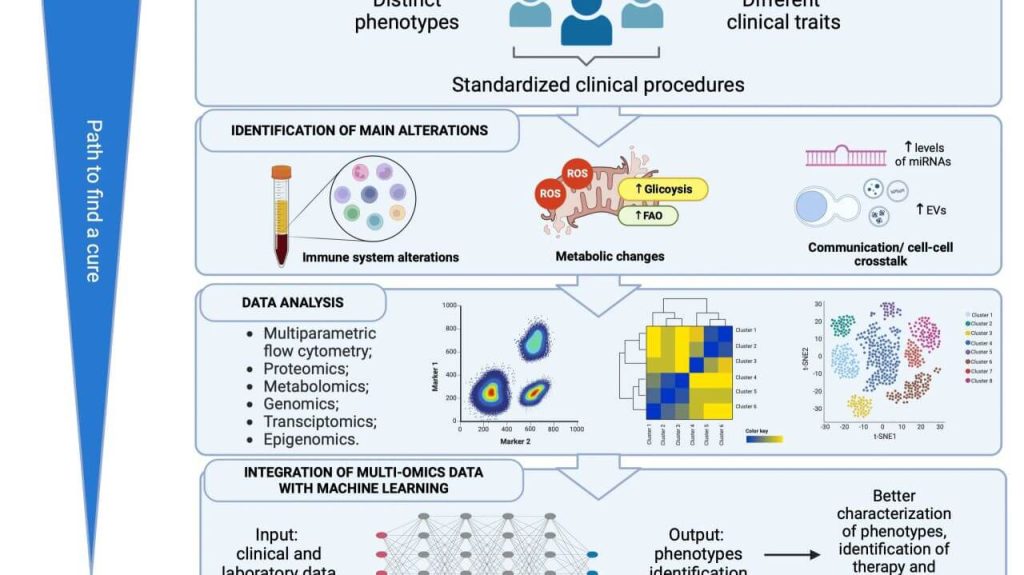
Summary of Metabolic Septic Shock Sub-Phenotypes, Stability Over Time and Association with Clinical Outcome Abstract Summary: Antcliffe et al. examined metabolic sub-phenotypes in septic shock using metabolomic data from two clinical trials (LeoPARDS and VANISH). They identified three distinct metabolic clusters, primarily characterized by lipid metabolite levels, especially lysophospholipids. Persistence in low lysophospholipid clusters correlated

, ,

Metabolic septic shock sub-phenotypes, stability over time and association with clinical outcome Read Post »

Sepsis

Temperature control in sepsis

Summary of Temperature Control in Sepsis Abstract: This mini-review explores the complex role of temperature control in sepsis. While fever can serve as an adaptive immune response, extreme temperatures—either hyperthermia or hypothermia—may lead to harmful outcomes. Evidence on managing temperature in septic patients remains inconclusive, with limited support for the use of antipyretics or cooling

,

Temperature control in sepsis Read Post »

Miscellaneous, Sepsis

How I personalize fluid therapy in septic shock?

Abstract During septic shock, fluid therapy is aimed at increasing cardiac output and improving tissue oxygenation, but it poses two problems: it has inconsistent and transient efficacy, and it has many well-documented deleterious effects. We suggest that there is a place for its personalization according to the patient characteristics and the clinical situation, at all

, , , , , ,

How I personalize fluid therapy in septic shock? Read Post »

Sepsis

“The NET effect”: Neutrophil extracellular traps—a potential key component of the dysregulated host immune response in sepsis

Abstract Neutrophils release neutrophil extracellular traps (NETs) as part of a healthy host immune response. NETs physically trap and kill pathogens as well as activating and facilitating crosstalk between immune cells and complement. Excessive or inadequately resolved NETs are implicated in the underlying pathophysiology of sepsis and other inflammatory diseases, including amplification of the inflammatory

, , , , , ,

“The NET effect”: Neutrophil extracellular traps—a potential key component of the dysregulated host immune response in sepsis Read Post »

Sepsis

Operationalizing Appropriate Sepsis Definitions in Children Worldwide: Considerations for the Pediatric Sepsis Definition Taskforce

Abstract Sepsis is a leading cause of global mortality in children, yet definitions for pediatric sepsis are outdated and lack global applicability and validity. In adults, the Sepsis-3 Definition Taskforce queried databases from high-income countries to develop and validate the criteria. The merit of this definition has been widely acknowledged; however, important considerations about less-resourced

, , ,

Operationalizing Appropriate Sepsis Definitions in Children Worldwide: Considerations for the Pediatric Sepsis Definition Taskforce Read Post »

Sepsis

Current perspectives in the management of sepsis and septic shock

Abstract Within patients with sepsis, there exists significant heterogeneity, and while all patients should receive conventional therapy, there are subgroups of patients who may benefit from specific therapies, often referred to as rescue therapies. Therefore, the identification of these specific patient subgroups is crucial and lays the groundwork for the application of precision medicine based

, , , ,

Current perspectives in the management of sepsis and septic shock Read Post »

Sepsis

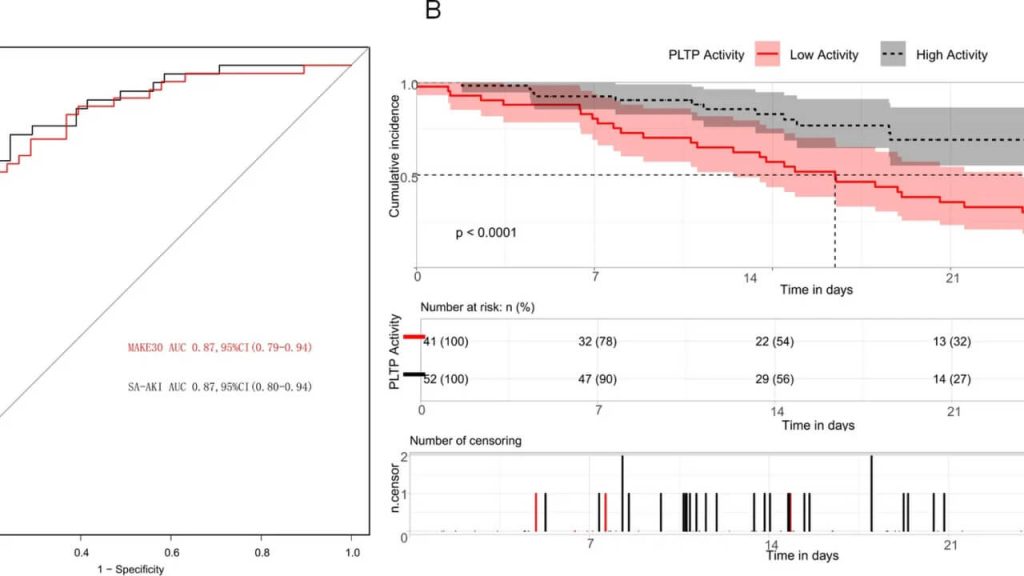
The role of phospholipid transfer protein in sepsis-associated acute kidney injury

Abstract Background Phospholipid transfer protein (PLTP), a glycoprotein widely expressed in the body, is primarily involved in plasma lipoprotein metabolism. Previous research has demonstrated that PLTP can exert anti-inflammatory effects and improve individual survival in patients with sepsis and endotoxemia by neutralizing LPS and facilitating LPS clearance. However, the role of PLTP in sepsis-associated acute

, , ,

The role of phospholipid transfer protein in sepsis-associated acute kidney injury Read Post »

Sepsis

Host Response Biomarkers for Sepsis in the Emergency Room

Abstract This review explores the role of host response biomarkers in diagnosing, prognosticating, and managing sepsis in the emergency room (ER). It highlights the benefits of traditional biomarkers like procalcitonin (PCT) and C-reactive protein (CRP) and emerging tools from transcriptomics, proteomics, and metabolomics to improve patient outcomes and advance precision medicine in sepsis care. Key

, , , ,

Host Response Biomarkers for Sepsis in the Emergency Room Read Post »

Sepsis

Advances and Challenges in Sepsis Management: Modern Tools and Future Directions

Abstract Sepsis, a critical condition marked by systemic inflammation, profoundly impacts both innate and adaptive immunity, often resulting in lymphopenia. This immune alteration can spare regulatory T cells (Tregs) but significantly affects other lymphocyte subsets, leading to diminished effector functions, altered cytokine profiles, and metabolic changes. The complexity of sepsis stems not only from its

, , ,

Advances and Challenges in Sepsis Management: Modern Tools and Future Directions Read Post »

Scroll to Top