Author name: admin

Circulatory, Respiratory

High-risk pulmonary embolism: the significance and perspectives of pulmonary reperfusion

Summary This editorial explores the current landscape of pulmonary reperfusion strategies in patients with high-risk pulmonary embolism (PE). It underscores the centrality of rapid hemodynamic stabilization and reperfusion in managing high-risk PE and analyzes recent data from a large target trial emulation by Stadlbauer et al. The authors conclude that while systemic thrombolysis (SYS) remains […]

,

High-risk pulmonary embolism: the significance and perspectives of pulmonary reperfusion Read Post »


Respiratory

Airway management in critically ill patients

Summary This comprehensive review highlights the challenges associated with airway management in critically ill patients, emphasizing the high risk of adverse events including cardiovascular collapse and severe hypoxemia. The article delineates evidence-based strategies to optimize hemodynamics and oxygenation during airway management, stressing the importance of meticulous patient evaluation, careful selection of anesthetic agents, the utility

,

Airway management in critically ill patients Read Post »

Uncategorized

ARDS Ventilation, The Man Behind the Evolution

Summary This commentary highlights the significant advancements made in the management of Acute Respiratory Distress Syndrome (ARDS) since its initial description by Ashbaugh et al. in 1967. Central to these advancements is Prof. Luciano Gattinoni, whose groundbreaking contributions, particularly the concepts of the “baby lung,” ventilator-induced lung injury, and prone positioning, transformed ARDS management. The

ARDS Ventilation, The Man Behind the Evolution Read Post »

Pharmacological Insights in Critical Care

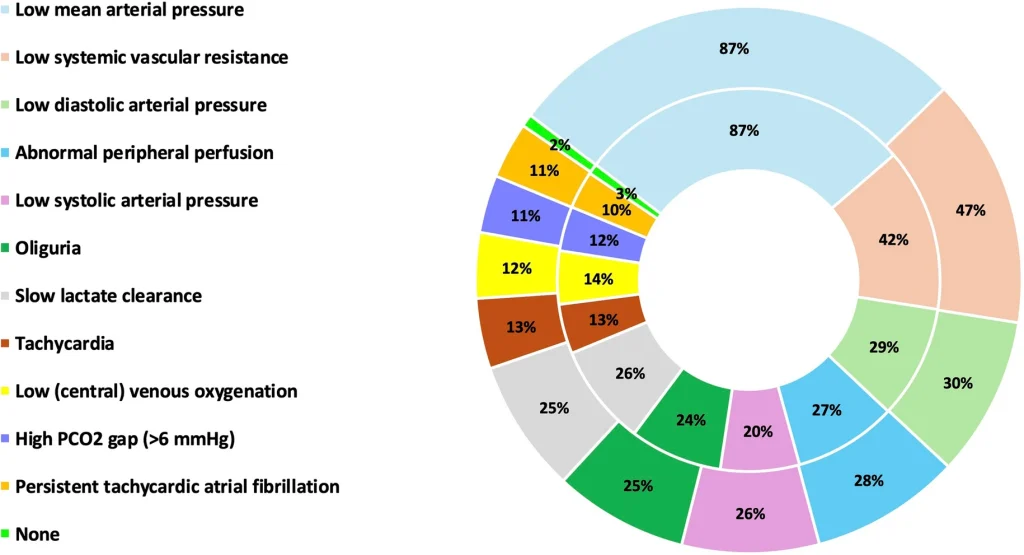
Vasopressin use across shock states: international insights from an international ESICM-endorsed survey: the PRESS Survey

Summary This international survey, endorsed by the European Society of Intensive Care Medicine (ESICM), assessed the current clinical use of vasopressin and terlipressin in patients with septic shock. The survey included 1,919 intensivists from 124 countries, highlighting significant variability in vasopressin availability, clinical indications, dosing strategies, and discontinuation practices. Results underscore the heterogeneity of current

,

Vasopressin use across shock states: international insights from an international ESICM-endorsed survey: the PRESS Survey Read Post »

Sepsis

Sepsis and post-sepsis syndrome: a multisystem challenge requiring comprehensive care and management—a review

Summary: This comprehensive review discusses the multifaceted nature of sepsis, emphasizing its high mortality and complex management, spanning early recognition, acute intervention, and long-term rehabilitation. Post-sepsis syndrome (PSS) represents a critical challenge with sustained immune dysregulation, chronic inflammation, and metabolic dysfunction leading to recurrent infections, cardiovascular disease, and neurocognitive impairment. The review underscores mitochondrial dysfunction,

Sepsis and post-sepsis syndrome: a multisystem challenge requiring comprehensive care and management—a review Read Post »

Mechanical Ventilation

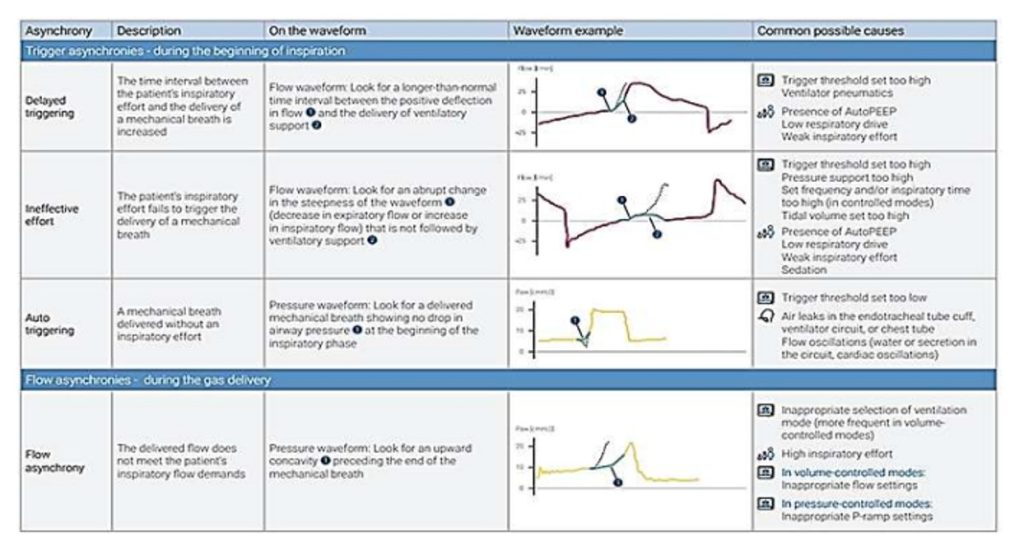
Bridging the gap: Enhancing synchrony in mechanical ventilation

Summary This review extensively analyzes the physiological control mechanisms of ventilation and their interaction with mechanical ventilators, highlighting advanced technologies aimed at improving patient-ventilator synchrony. Ventilator dyssynchrony—defined as a mismatch between patient respiratory effort and ventilator support—remains prevalent, contributing significantly to adverse outcomes, including prolonged ventilation, diaphragm dysfunction, extended ICU stays, and increased mortality. The

Bridging the gap: Enhancing synchrony in mechanical ventilation Read Post »

Pulmonary

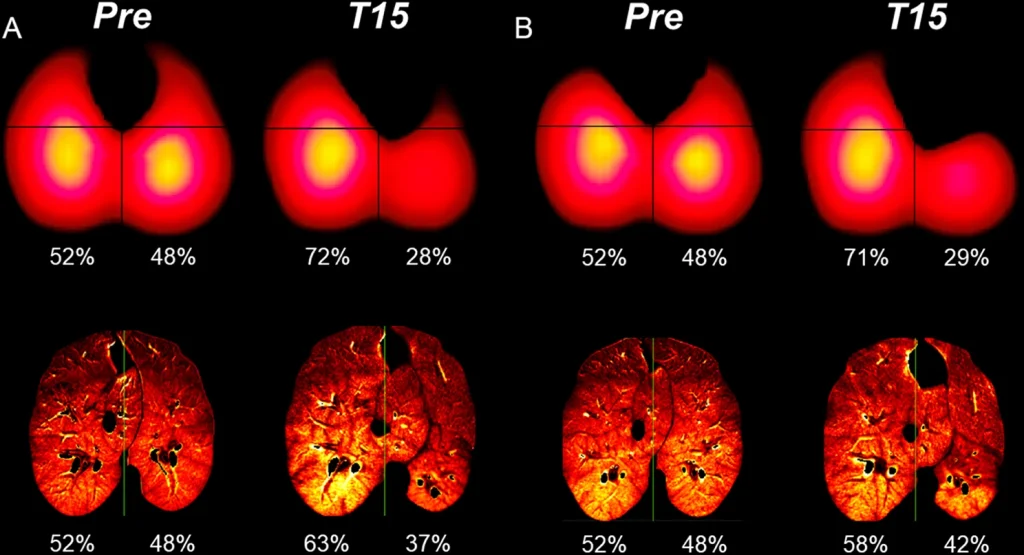
First real-time imaging of bronchoscopic lung volume reduction by electrical impedance tomography

Summary: “First real-time imaging of bronchoscopic lung volume reduction by electrical impedance tomography” Abstract Summary: This study investigated the real-time effects of inspired oxygen fraction (FIO₂) on regional lung volumes and ventilation/perfusion during bronchoscopic lung volume reduction (BLVR) using endobronchial valves (EBVs), utilizing electrical impedance tomography (EIT). The findings demonstrate that higher FIO₂ significantly accelerates

,

First real-time imaging of bronchoscopic lung volume reduction by electrical impedance tomography Read Post »

Uncategorized

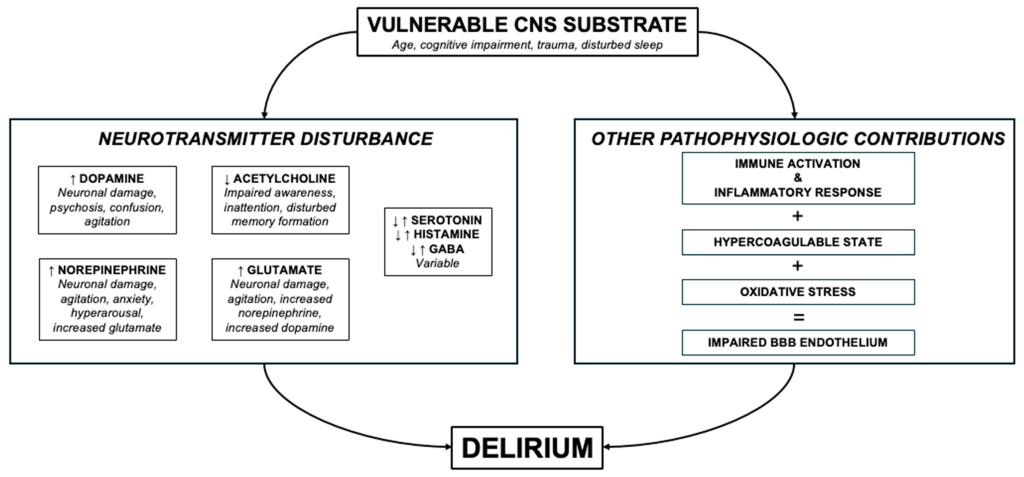
A Critical Reappraisal of Haloperidol for Delirium Management in the Intensive Care Unit: Perspective from Psychiatry

Summary: “A Critical Reappraisal of Haloperidol for Delirium Management in the Intensive Care Unit: Perspective from Psychiatry” Abstract Summary: This review critically examines the use of haloperidol for managing delirium in ICU settings from a psychiatric perspective. Despite historical and ongoing use of haloperidol, recent randomized controlled trials (RCTs) have questioned its effectiveness, primarily due

,

A Critical Reappraisal of Haloperidol for Delirium Management in the Intensive Care Unit: Perspective from Psychiatry Read Post »

Uncategorized

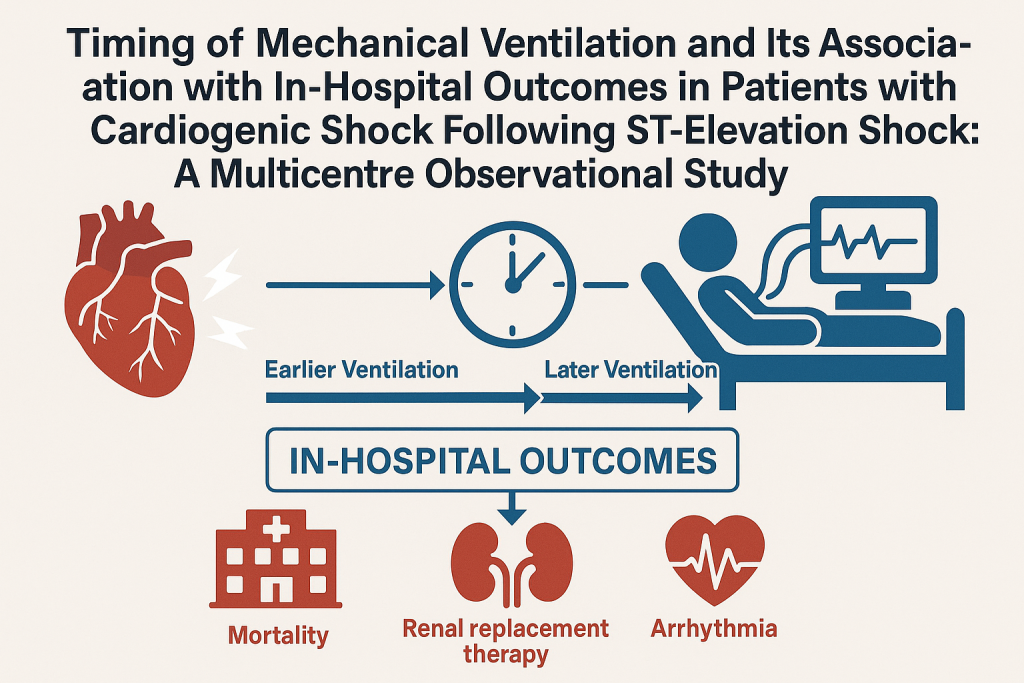
Timing of mechanical ventilation and its association with in-hospital outcomes in patients with cardiogenic shock following ST-elevation myocardial infarction: a multicentre observational study

Summary: Timing of mechanical ventilation and its association with in-hospital outcomes in patients with cardiogenic shock following ST-elevation myocardial infarction: a multicentre observational study Abstract Summary: This multicentre observational study by Arabi and colleagues investigates the impact of mechanical ventilation (MV) timing on outcomes in 672 patients with STEMI complicated by cardiogenic shock (CS). The

,

Timing of mechanical ventilation and its association with in-hospital outcomes in patients with cardiogenic shock following ST-elevation myocardial infarction: a multicentre observational study Read Post »

Miscellaneous

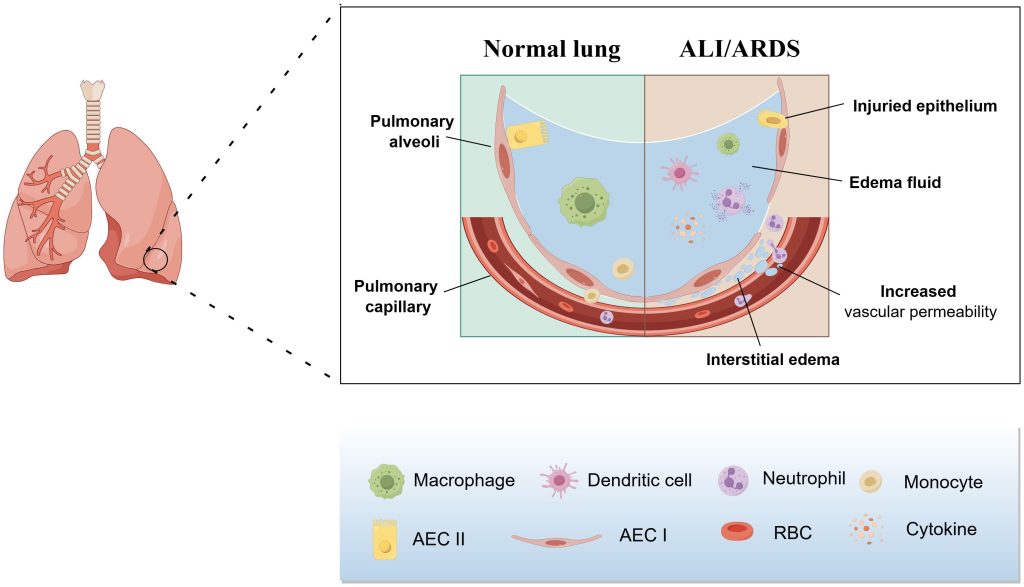
Macrophage pyroptosis and its crucial role in ALI/ARDS

Summary: “Macrophage Pyroptosis and its Crucial Role in ALI/ARDS” Abstract Summary: This comprehensive review explores macrophage pyroptosis, a specific form of programmed cell death, and its pivotal role in the pathogenesis of acute lung injury (ALI) and acute respiratory distress syndrome (ARDS). Highlighting complex molecular pathways and inflammasome activation mechanisms, the authors detail the relationship

,

Macrophage pyroptosis and its crucial role in ALI/ARDS Read Post »

Scroll to Top