Neurology

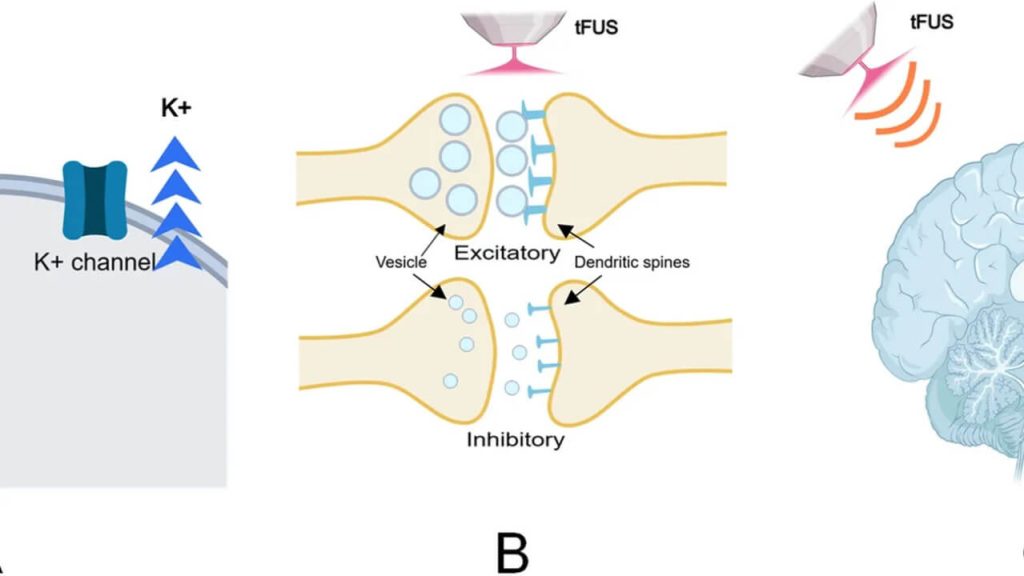
The promise of transcranial focused ultrasound in disorders of consciousness: a narrative review

Abstract Transcranial focused ultrasound (tFUS) has emerged as a promising non-invasive neuromodulation technique for disorders of consciousness (DOC). This work critically evaluates tFUS’s potential, highlighting its unique ability to precisely modulate deep brain structures, particularly the thalamus, while maintaining non-invasiveness. The mechanisms of action span multiple levels, from membrane-level ion channel modulation to network-wide changes […]
, , , ,

The promise of transcranial focused ultrasound in disorders of consciousness: a narrative review Read Post »

Respiratory

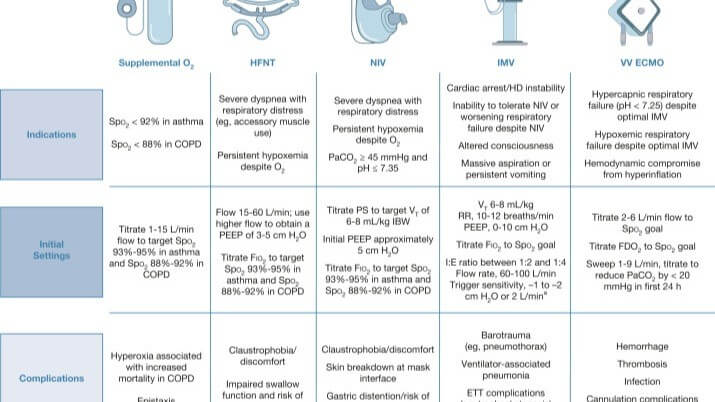
Management of Asthma and COPD Exacerbations in Adults in the ICU

Abstract Severe, life-threatening asthma and COPD exacerbations are managed commonly in the ICU and are associated with significant morbidity and mortality. It is important to understand the commonalities and differences in the diagnosis and management of these obstructive lung diseases to improve patient outcomes via evidence-based care. In this review, we first outline triggers of

, , ,

Management of Asthma and COPD Exacerbations in Adults in the ICU Read Post »

Mechanical Ventilation

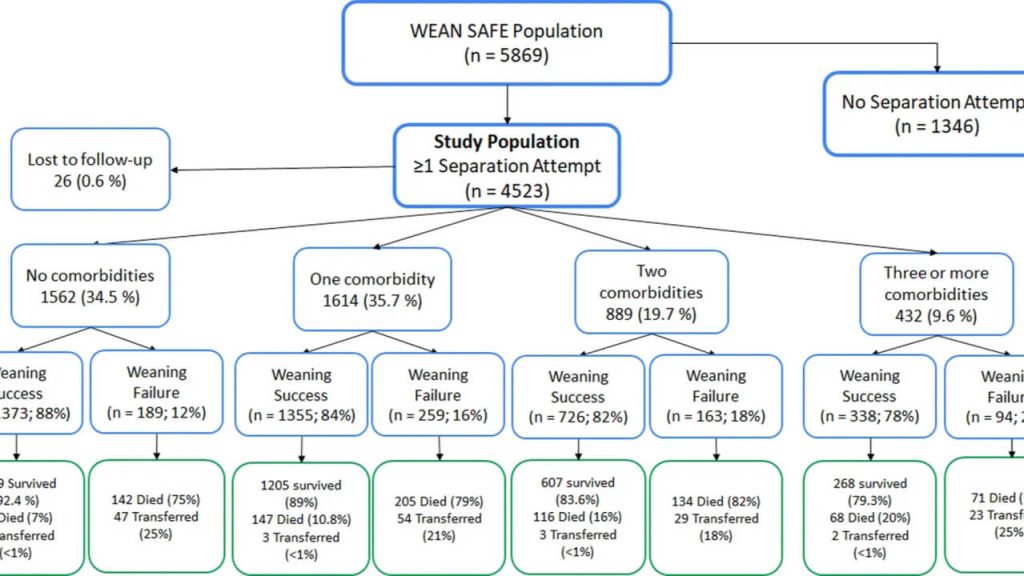
Impact of comorbidities on management and outcomes of patients weaning from invasive mechanical ventilation: insights from the WEAN SAFE study

Abstract Background The impact of comorbidities on patients weaning from invasive ventilation is incompletely understood. We wished to understand the impact of the number and type of comorbidities on patients’ weaning from invasive mechanical ventilation enrolled in the ‘WorldwidE AssessmeNt of Separation of pAtients From ventilatory assistancE (WEAN SAFE) study. Methods The study population consisted

, , , , , ,

Impact of comorbidities on management and outcomes of patients weaning from invasive mechanical ventilation: insights from the WEAN SAFE study Read Post »

Miscellaneous

Strategies for adapting under pressure: an interview study in intensive care units

Abstract Background Healthcare systems are operating under substantial pressures. Clinicians and managers are constantly having to make adaptations, which are typically improvised, highly variable and not coordinated across teams. This study aimed to identify and describe the types of everyday pressures in intensive care and the adaptive strategies staff use to respond, with the longer-term aim

,

Strategies for adapting under pressure: an interview study in intensive care units Read Post »

Respiratory

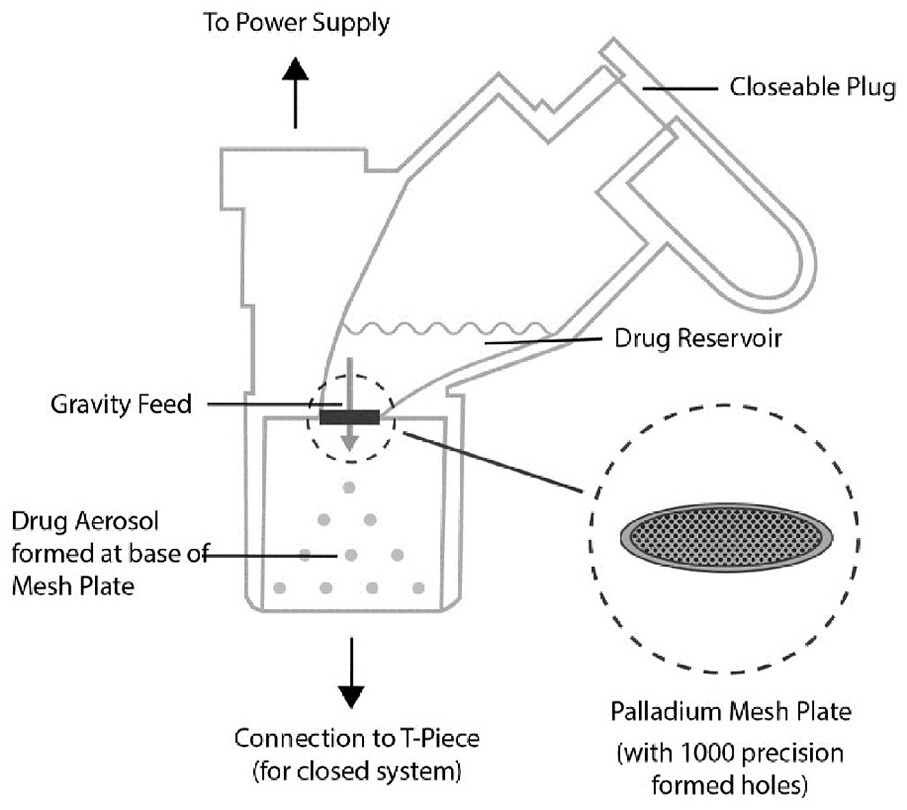
Nebuliser therapy in critical care: The past, present and future

Summary of “Nebuliser Therapy in Critical Care: The Past, Present and Future” Abstract Nebuliser therapy, utilizing the efficiency of pulmonary drug absorption, represents a pivotal approach for delivering medications locally and systemically in critically ill patients. This review discusses the historical evolution of nebuliser technologies, the science of aerosol drug delivery, and current practices, emphasizing

,

Nebuliser therapy in critical care: The past, present and future Read Post »

Sepsis

Temperature control in sepsis

Summary of Temperature Control in Sepsis Abstract: This mini-review explores the complex role of temperature control in sepsis. While fever can serve as an adaptive immune response, extreme temperatures—either hyperthermia or hypothermia—may lead to harmful outcomes. Evidence on managing temperature in septic patients remains inconclusive, with limited support for the use of antipyretics or cooling

,

Temperature control in sepsis Read Post »

Pharmacological Insights in Critical Care

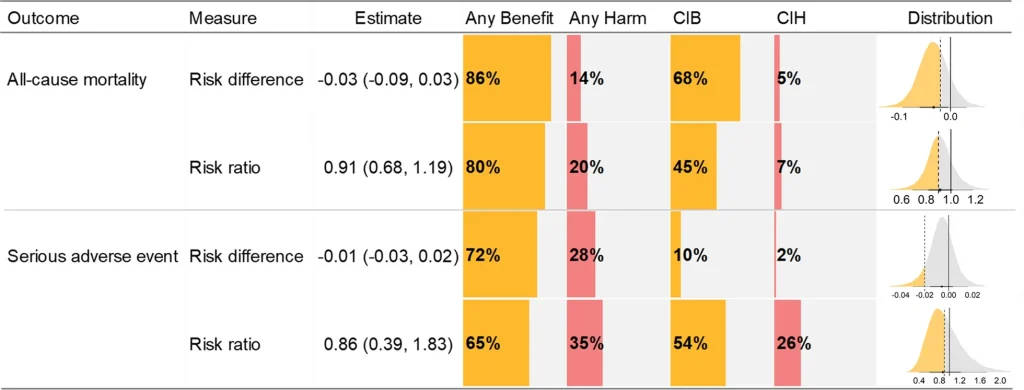
Haloperidol in treating delirium, reducing mortality, and preventing delirium occurrence: Bayesian and frequentist meta-analyses

Summary of Haloperidol in Treating Delirium, Reducing Mortality, and Preventing Delirium Occurrence: Bayesian and Frequentist Meta-Analyses Abstract This study evaluates the efficacy and safety of haloperidol for delirium treatment and prevention in ICU patients using Bayesian and frequentist meta-analyses. Seven RCTs (n = 1,767) assessed delirium treatment, while five RCTs (n = 2,509) examined delirium

, ,

Haloperidol in treating delirium, reducing mortality, and preventing delirium occurrence: Bayesian and frequentist meta-analyses Read Post »

Circulatory

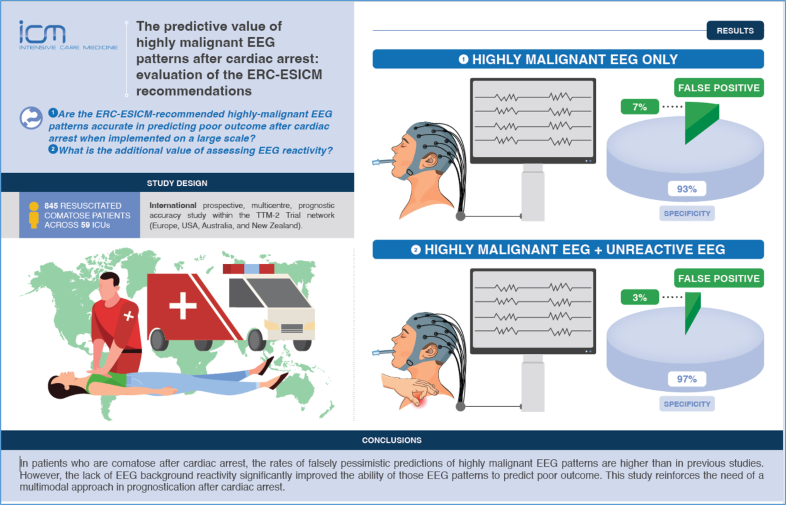
The predictive value of highly malignant EEG patterns after cardiac arrest: evaluation of the ERC-ESICM recommendations

Summary of The Predictive Value of Highly Malignant EEG Patterns After Cardiac Arrest: Evaluation of the ERC-ESICM Recommendations Abstract Highly malignant EEG patterns (HMEP), specifically suppression and burst-suppression, are recommended by the European Resuscitation Council (ERC) and the European Society of Intensive Care Medicine (ESICM) for predicting poor neurological outcomes after cardiac arrest. This study,

, , ,

The predictive value of highly malignant EEG patterns after cardiac arrest: evaluation of the ERC-ESICM recommendations Read Post »

Respiratory

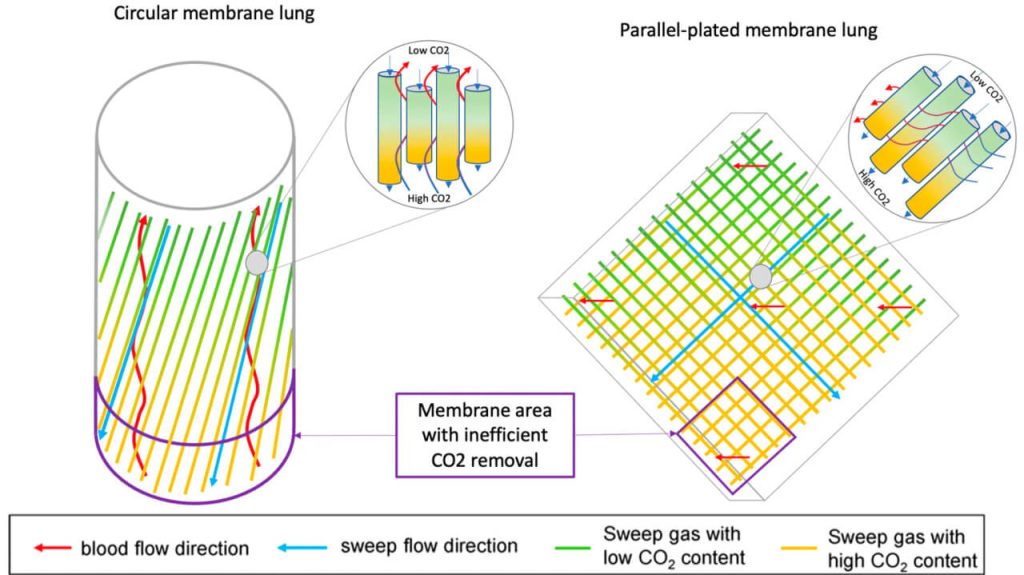
Recent Advances and Future Directions in Extracorporeal Carbon Dioxide Removal

Abstract Extracorporeal carbon dioxide removal (ECCO2R) is an emerging technique designed to reduce carbon dioxide (CO2) levels in venous blood while enabling lung-protective ventilation or alleviating the work of breathing. Unlike high-flow extracorporeal membrane oxygenation (ECMO), ECCO2R operates at lower blood flows (0.4–1.5 L/min), making it less invasive, with smaller cannulas and simpler devices. Despite

, , , , , ,

Recent Advances and Future Directions in Extracorporeal Carbon Dioxide Removal Read Post »

Mechanical Ventilation

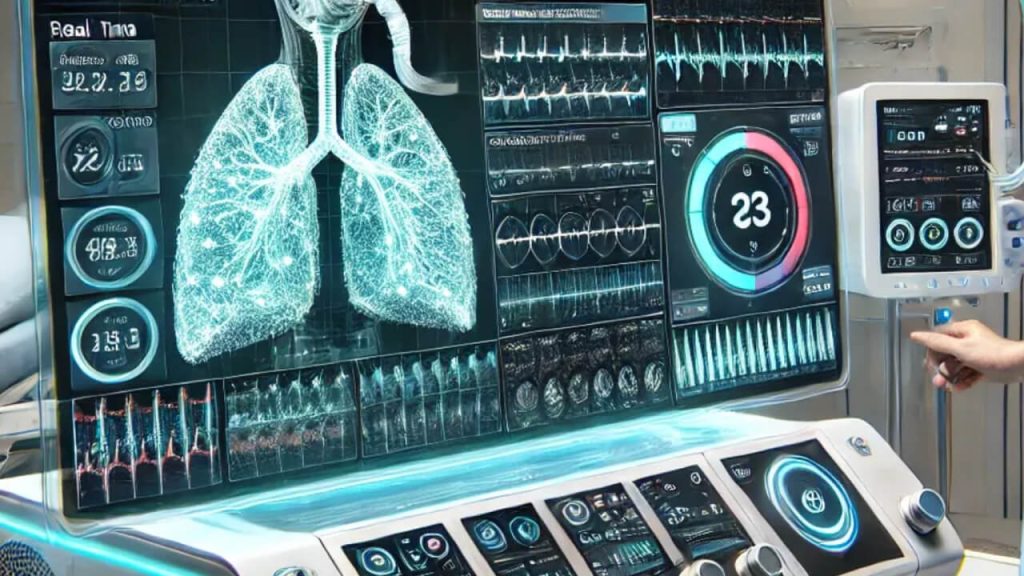
Setting the ventilator with AI support: challenges and perspectives

Mechanical ventilation (MV) is a cornerstone of intensive care medicine. However, when used inappropriately, it can cause additional harm, including a condition known as ventilator-induced lung injury (VILI) [1]. To mitigate this risk, lung-protective ventilation strategies are of utmost importance. It is, however, essential to note that lung-protective ventilation is also currently evolving from “standard

,

Setting the ventilator with AI support: challenges and perspectives Read Post »

Scroll to Top