Mechanical Ventilation

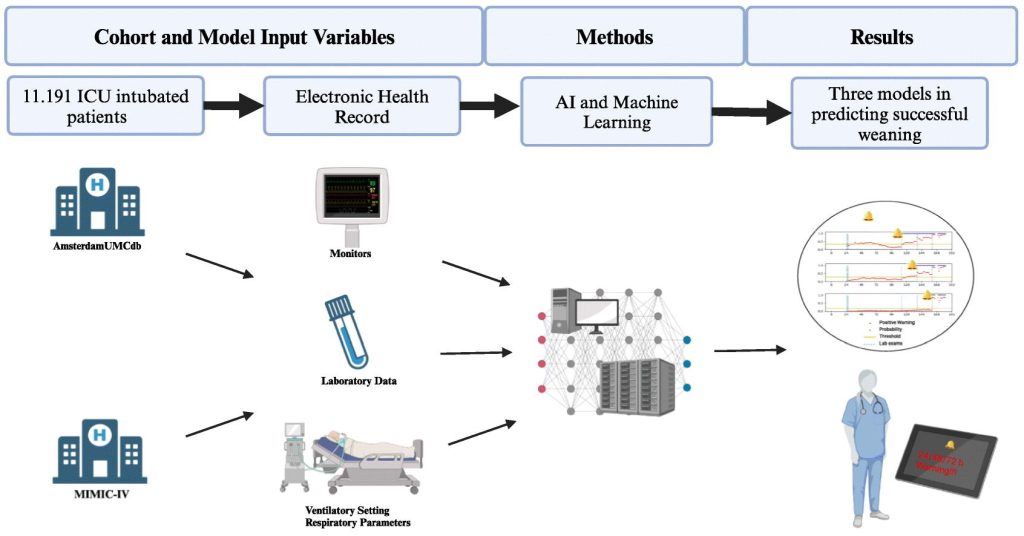
Development and validation of a machine learning model for real-time prediction of invasive mechanical ventilation weaning readiness

Summary: “Development and validation of a machine learning model for real-time prediction of invasive mechanical ventilation weaning readiness” Abstract Summary: This study aimed to develop and validate a real-time bedside machine learning (ML) decision support tool to predict invasive mechanical ventilation (IMV) weaning readiness using electronic health records. Leveraging extensive data from the MIMIC-IV and […]
,

Development and validation of a machine learning model for real-time prediction of invasive mechanical ventilation weaning readiness Read Post »

Circulatory

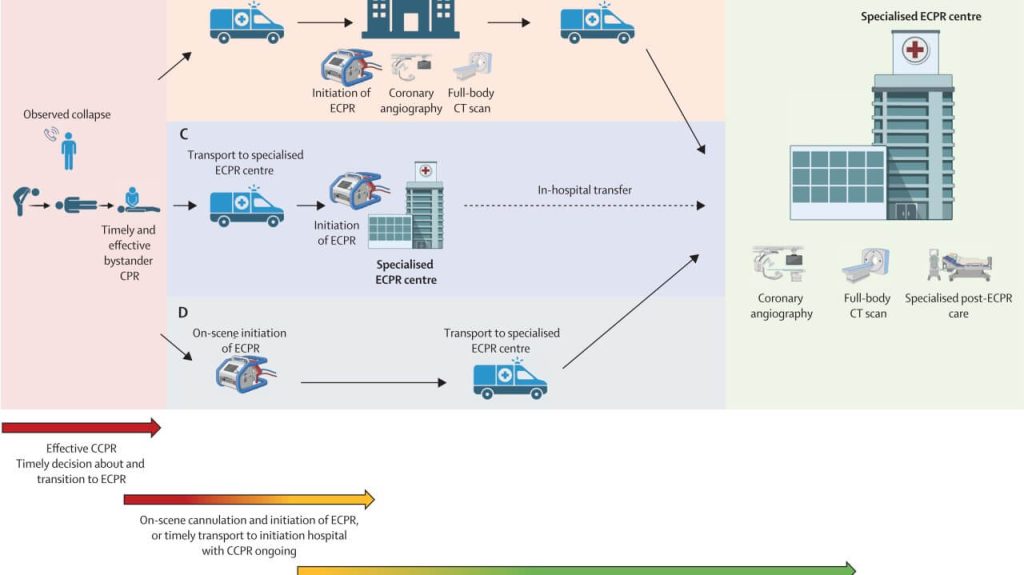
Extracorporeal cardiopulmonary resuscitation for refractory cardiac arrest

Summary of “Extracorporeal cardiopulmonary resuscitation for refractory cardiac arrest” Abstract Summary: Extracorporeal cardiopulmonary resuscitation (ECPR), using venoarterial ECMO during refractory cardiac arrest, can restore circulation and improve outcomes compared with conventional CPR (CCPR) alone. While evidence suggests ECPR enhances survival with favorable neurological recovery, its complexity, resource demands, costs, and complication risks restrict widespread use.

Extracorporeal cardiopulmonary resuscitation for refractory cardiac arrest Read Post »

Pulmonary

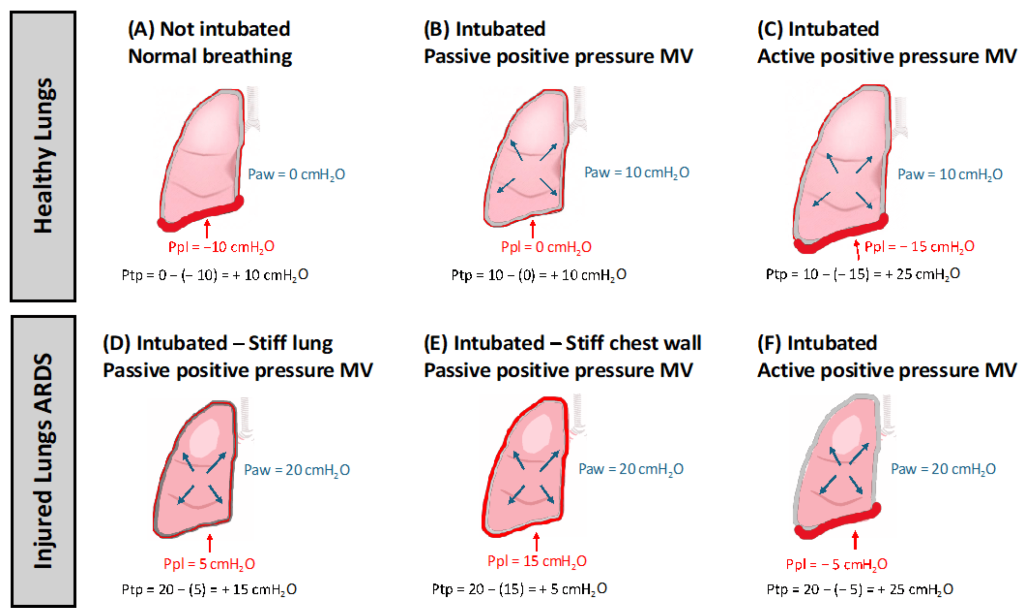
Ventilator-Induced Lung Injury: The Unseen Challenge in Acute Respiratory Distress Syndrome Management

Summary of “Ventilator-Induced Lung Injury: The Unseen Challenge in Acute Respiratory Distress Syndrome Management” (Merola et al.) Abstract Summary: Merola et al. comprehensively review ventilator-induced lung injury (VILI) within acute respiratory distress syndrome (ARDS) management, underscoring the complex interplay of pathophysiological mechanisms. The authors discuss traditional and emerging concepts such as volutrauma, barotrauma, atelectrauma, biotrauma,

,

Ventilator-Induced Lung Injury: The Unseen Challenge in Acute Respiratory Distress Syndrome Management Read Post »

Pulmonary

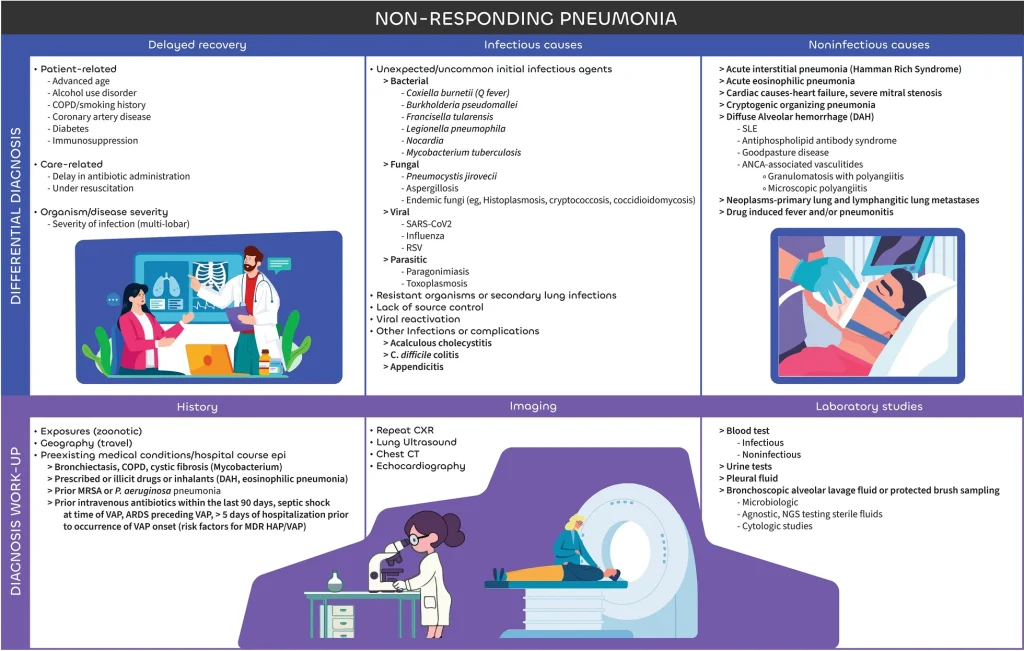
How to approach a patient hospitalized for pneumonia who is not responding to treatment?

Summary of “How to Approach a Patient Hospitalized for Pneumonia Who is Not Responding to Treatment?” (Povoa et al.) Abstract Summary: Povoa et al. provide a structured approach for clinicians managing patients hospitalized for pneumonia who do not respond adequately to initial antibiotic therapy. Non-response, defined as persistent or worsening clinical signs after 48-72 hours,

How to approach a patient hospitalized for pneumonia who is not responding to treatment? Read Post »

Pulmonary, Respiratory

Fluid management strategies in critically ill patients with ARDS: a narrative review

Summary of “Fluid management strategies in critically ill patients with ARDS: a narrative review” (Ziaka and Exadaktylos) Abstract Summary: Ziaka and Exadaktylos comprehensively review fluid management strategies in patients with acute respiratory distress syndrome (ARDS), underscoring the delicate balance required between hypervolemia risks (lung edema, cardiopulmonary complications, and prolonged ventilatory support) and hypovolemia risks (acute

,

Fluid management strategies in critically ill patients with ARDS: a narrative review Read Post »

Respiratory

Peri-intubation complications in critically ill obese patients: a secondary analysis of the international INTUBE cohort

Summary of Peri-intubation complications in critically ill obese patients: a secondary analysis of the international INTUBE cohort (Russotto et al.) Abstract Summary: Russotto et al. conducted a secondary analysis of the INTUBE study, a multicenter international observational cohort, to evaluate peri-intubation adverse events in critically ill obese patients (BMI ≥ 30 kg/m²). They found a

, ,

Peri-intubation complications in critically ill obese patients: a secondary analysis of the international INTUBE cohort Read Post »

Pulmonary

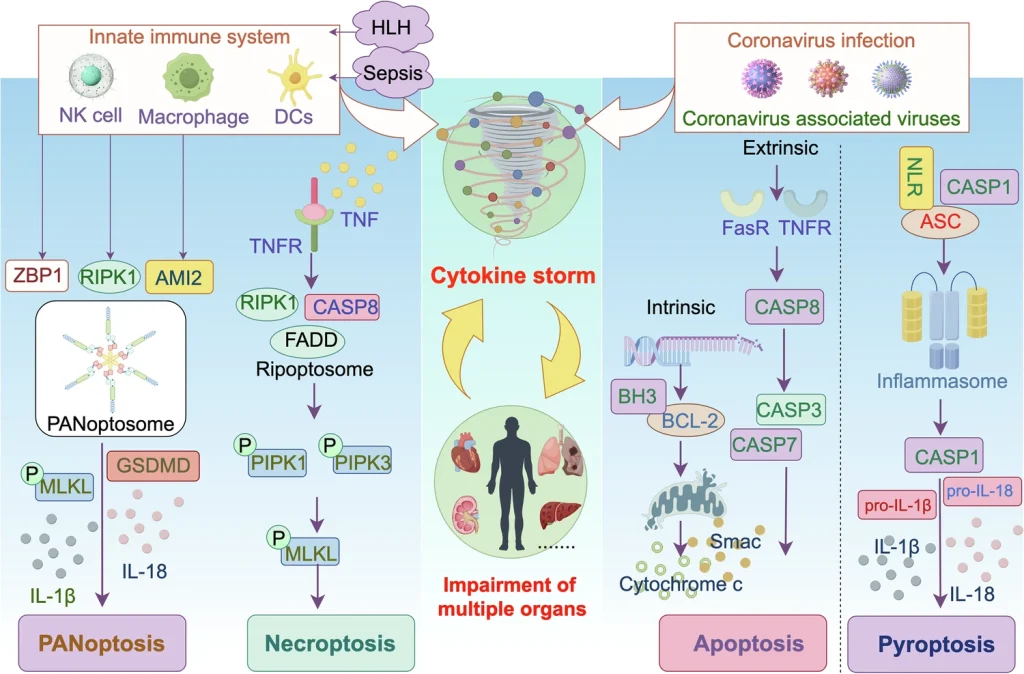
Deep insight into cytokine storm: from pathogenesis to treatment

Summary of Deep Insight into Cytokine Storm: From Pathogenesis to Treatment (Nie et al.) Abstract Summary: Nie et al. provide a comprehensive review on cytokine storm (CS), a severe systemic inflammatory syndrome characterized by excessive immune cell activation and elevated cytokine levels. This paper highlights key signaling pathways involved, associated immune cells, targeted organ damage,

Deep insight into cytokine storm: from pathogenesis to treatment Read Post »

Respiratory

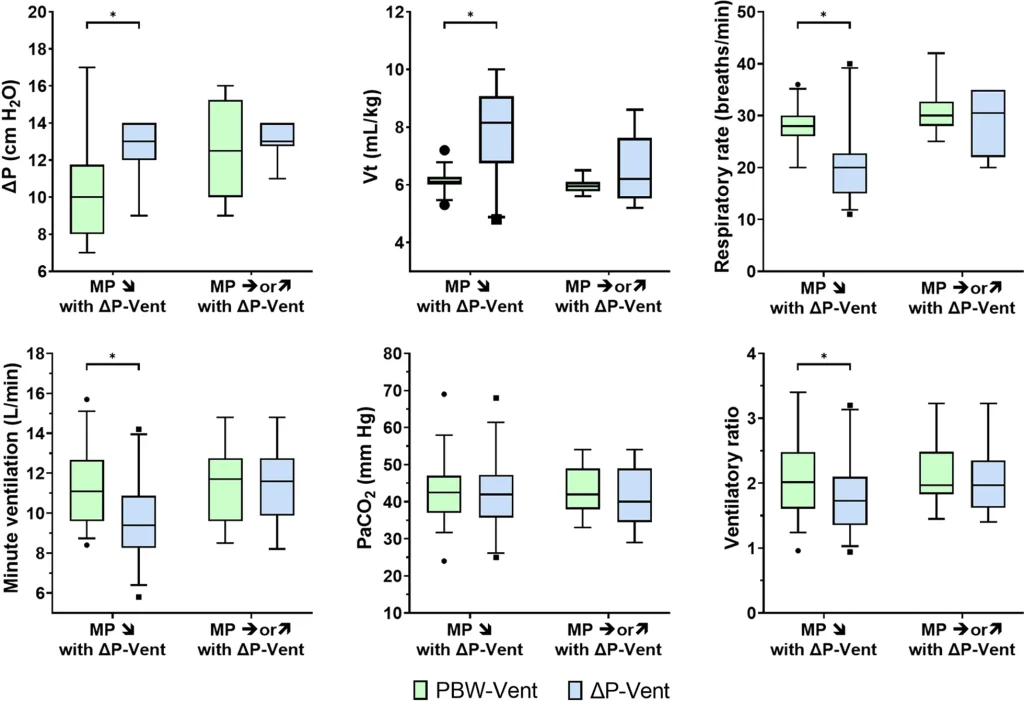
Driving pressure-guided ventilation decreases the mechanical power compared to predicted body weight-guided ventilation in the ARDS.

Summary of Driving Pressure-Guided Ventilation Decreases the Mechanical Power Compared to Predicted Body Weight-Guided Ventilation in the Acute Respiratory Distress Syndrome (Haudebourg et al.) Abstract Summary: Haudebourg et al. investigated the impact of driving pressure (ΔP)-guided ventilation versus predicted body weight (PBW)-guided ventilation on mechanical power in moderate-to-severe acute respiratory distress syndrome (ARDS) patients. Their

, ,

Driving pressure-guided ventilation decreases the mechanical power compared to predicted body weight-guided ventilation in the ARDS. Read Post »

Pharmacological Insights in Critical Care

Role of liposomal amphotericin B in intensive care unit: an expert opinion paper

Summary of Role of Liposomal Amphotericin B in Intensive Care Unit: An Expert Opinion Paper (Bussini et al.) Abstract Summary: Bussini et al. provide an expert opinion on the appropriate clinical use of Liposomal Amphotericin B (L-AmB) in treating invasive fungal infections (IFI) within the intensive care unit (ICU). The authors detail the limitations of

,

Role of liposomal amphotericin B in intensive care unit: an expert opinion paper Read Post »

Sepsis

Sepsis-induced cardiac dysfunction: mitochondria and energy metabolism

Summary of Sepsis-induced cardiac dysfunction: mitochondria and energy metabolism (Yu et al.) Abstract Summary: Yu et al. systematically reviewed the pathophysiological mechanisms underlying sepsis-induced myocardial dysfunction (SIMD), emphasizing mitochondrial dysfunction and disruptions in myocardial energy metabolism. The review highlights critical aspects, including alterations in myocardial substrates, mitochondrial damage, oxidative stress, calcium imbalance, mitochondrial DNA (mtDNA)

, ,

Sepsis-induced cardiac dysfunction: mitochondria and energy metabolism Read Post »

Scroll to Top