March 2025

Uncategorized

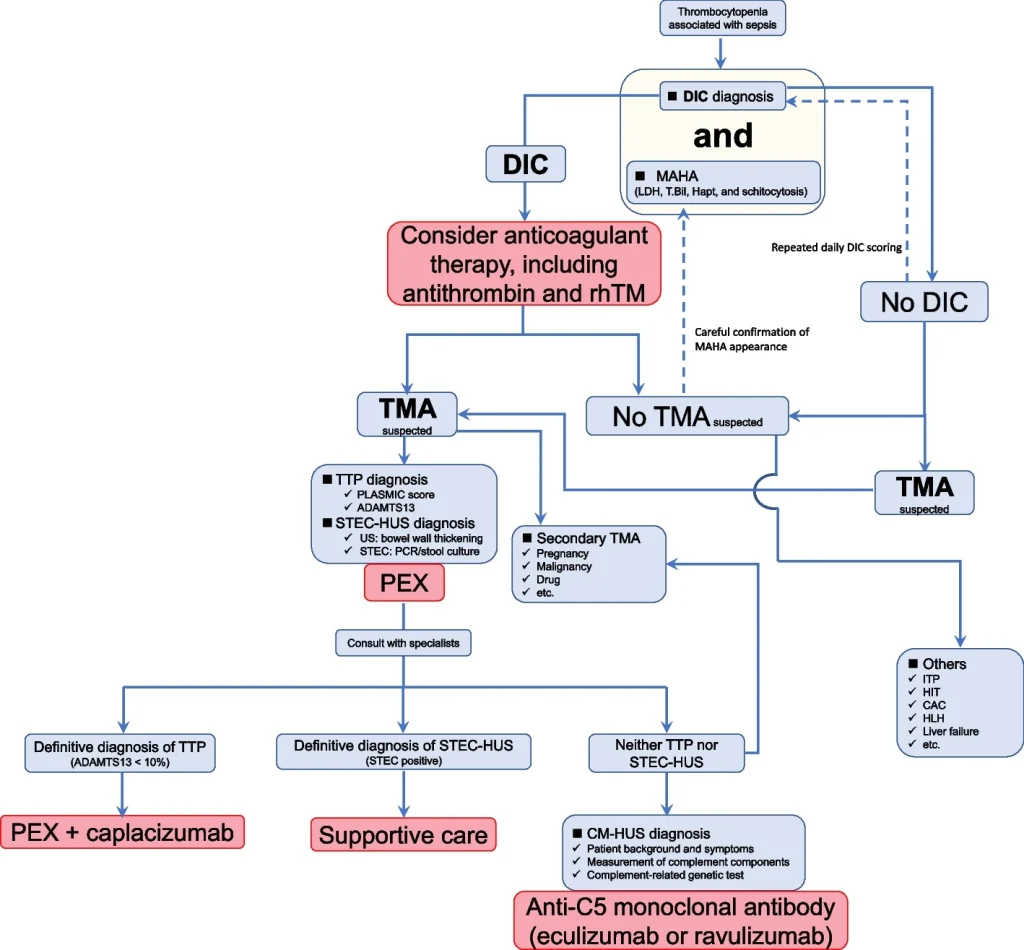
Practical approach to thrombocytopenia in patients with sepsis: a narrative review

Summary of Practical approach to thrombocytopenia in patients with sepsis: a narrative review Abstract: Thrombocytopenia is common in sepsis, with disseminated intravascular coagulation (DIC) being a frequent cause, though thrombotic microangiopathy (TMA)—including thrombotic thrombocytopenic purpura (TTP) and hemolytic uremic syndrome (HUS)—is increasingly recognized. Differentiating DIC from TMA is challenging due to overlapping clinical and laboratory […]

, ,

Practical approach to thrombocytopenia in patients with sepsis: a narrative review Read Post »
Renal

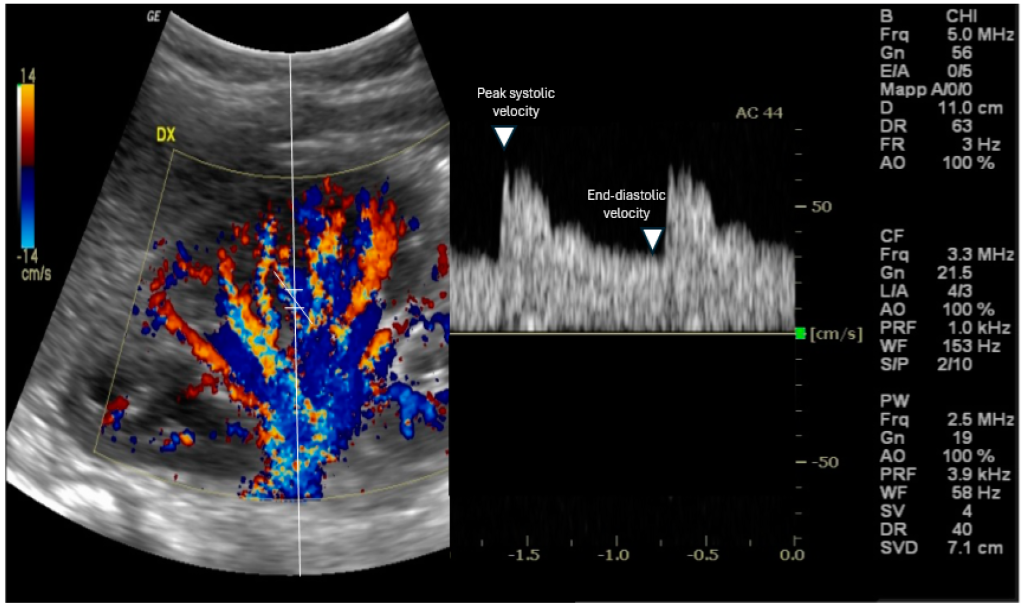
Exploring the Utility of Renal Resistive Index in Critical Care: Insights into ARDS and Cardiac Failure

Summary of “Exploring the Utility of Renal Resistive Index in Critical Care: Insights into ARDS and Cardiac Failure” Abstract The renal resistive index (RRI), a Doppler ultrasound-derived metric, offers a non-invasive window into renal hemodynamics, especially relevant in patients with acute respiratory distress syndrome (ARDS) and heart failure (HF). This narrative review explores RRI’s physiological

, ,

Exploring the Utility of Renal Resistive Index in Critical Care: Insights into ARDS and Cardiac Failure Read Post »

Pulmonary

Evaluating the impact of ESICM 2023 guidelines and the new global definition of ARDS on clinical outcomes: insights from MIMIC-IV cohort data

Summary of “Evaluating the Impact of ESICM 2023 Guidelines and the New Global Definition of ARDS on Clinical Outcomes: Insights from MIMIC-IV Cohort Data” Abstract In response to the newly proposed ARDS definitions by ESICM (2023) and the global consensus led by Matthay et al. (2024), this study investigates the clinical impact of these revised

,

Evaluating the impact of ESICM 2023 guidelines and the new global definition of ARDS on clinical outcomes: insights from MIMIC-IV cohort data Read Post »

Pulmonary

Anion gap predicting 90-Day mortality and guiding furosemide use in ARDS

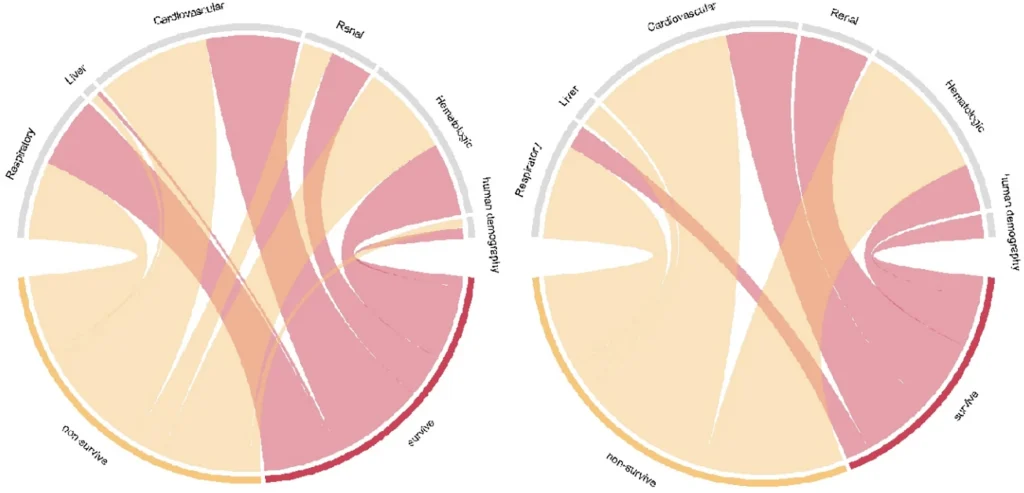
Summary of “Anion gap predicting 90-Day mortality and guiding furosemide use in ARDS” Abstract This retrospective cohort study assessed whether the serum anion gap (AG), a marker of metabolic acidosis, could predict 90-day mortality in ARDS patients and guide furosemide use. Using the MIMIC-IV database, 11,227 patients with ARDS were analyzed. Higher AG levels correlated

, ,

Anion gap predicting 90-Day mortality and guiding furosemide use in ARDS Read Post »

Neurology

The promise of transcranial focused ultrasound in disorders of consciousness: a narrative review

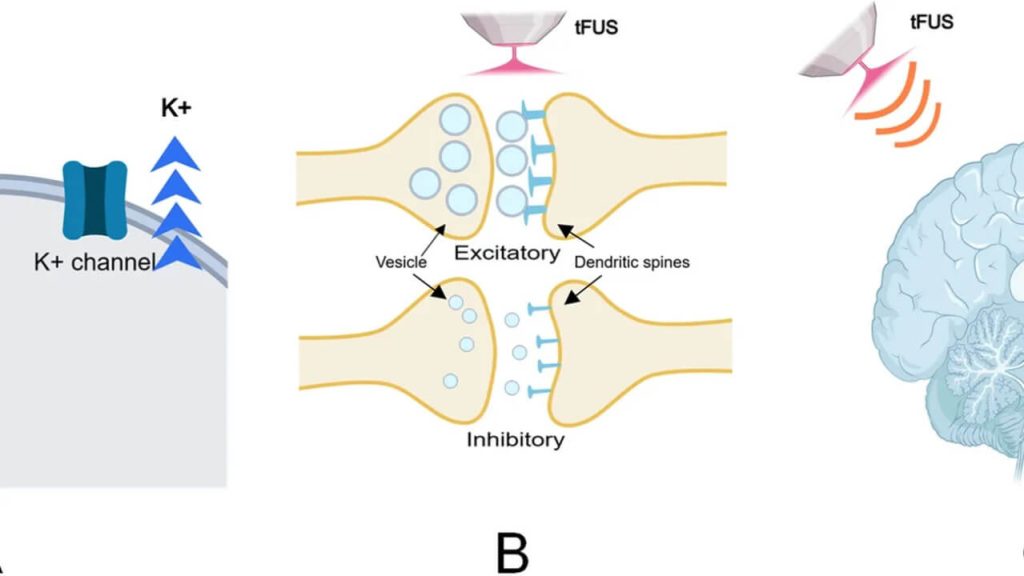
Abstract Transcranial focused ultrasound (tFUS) has emerged as a promising non-invasive neuromodulation technique for disorders of consciousness (DOC). This work critically evaluates tFUS’s potential, highlighting its unique ability to precisely modulate deep brain structures, particularly the thalamus, while maintaining non-invasiveness. The mechanisms of action span multiple levels, from membrane-level ion channel modulation to network-wide changes

, , , ,

The promise of transcranial focused ultrasound in disorders of consciousness: a narrative review Read Post »

Respiratory

Management of Asthma and COPD Exacerbations in Adults in the ICU

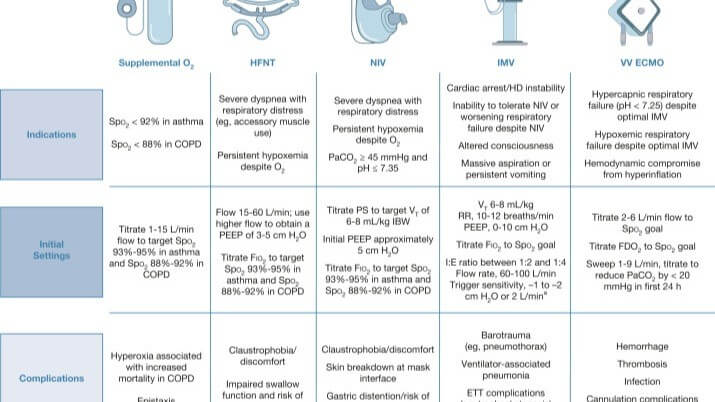
Abstract Severe, life-threatening asthma and COPD exacerbations are managed commonly in the ICU and are associated with significant morbidity and mortality. It is important to understand the commonalities and differences in the diagnosis and management of these obstructive lung diseases to improve patient outcomes via evidence-based care. In this review, we first outline triggers of

, , ,

Management of Asthma and COPD Exacerbations in Adults in the ICU Read Post »

Mechanical Ventilation

Impact of comorbidities on management and outcomes of patients weaning from invasive mechanical ventilation: insights from the WEAN SAFE study

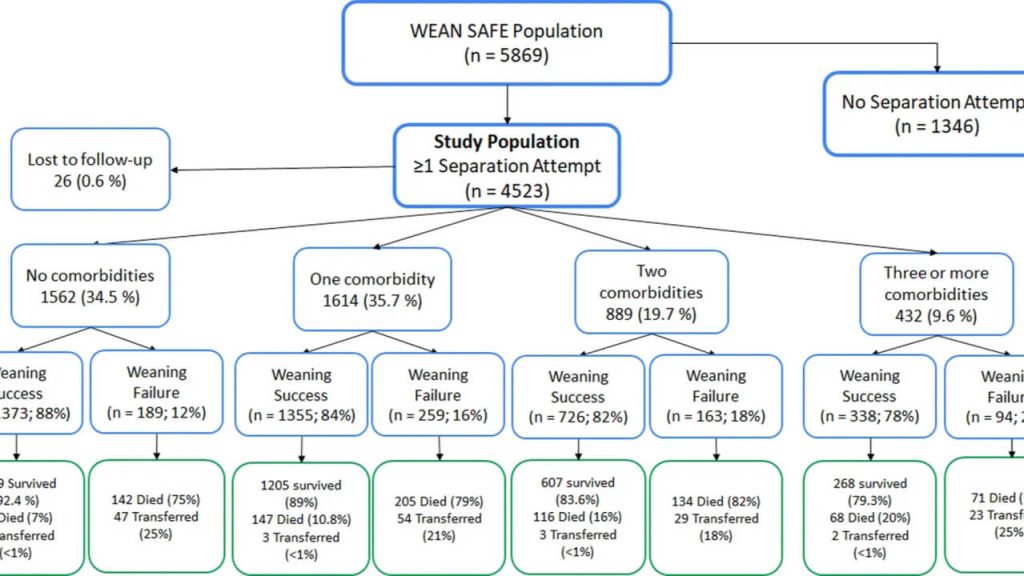
Abstract Background The impact of comorbidities on patients weaning from invasive ventilation is incompletely understood. We wished to understand the impact of the number and type of comorbidities on patients’ weaning from invasive mechanical ventilation enrolled in the ‘WorldwidE AssessmeNt of Separation of pAtients From ventilatory assistancE (WEAN SAFE) study. Methods The study population consisted

, , , , , ,

Impact of comorbidities on management and outcomes of patients weaning from invasive mechanical ventilation: insights from the WEAN SAFE study Read Post »

Miscellaneous

Strategies for adapting under pressure: an interview study in intensive care units

Abstract Background Healthcare systems are operating under substantial pressures. Clinicians and managers are constantly having to make adaptations, which are typically improvised, highly variable and not coordinated across teams. This study aimed to identify and describe the types of everyday pressures in intensive care and the adaptive strategies staff use to respond, with the longer-term aim

,

Strategies for adapting under pressure: an interview study in intensive care units Read Post »

Respiratory

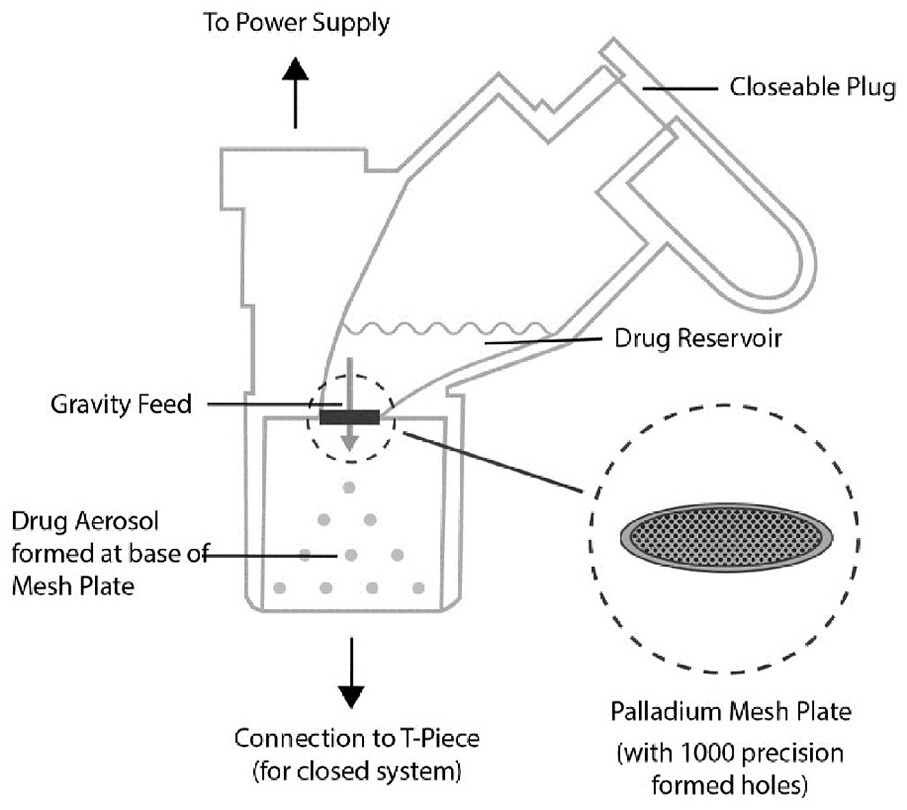
Nebuliser therapy in critical care: The past, present and future

Summary of “Nebuliser Therapy in Critical Care: The Past, Present and Future” Abstract Nebuliser therapy, utilizing the efficiency of pulmonary drug absorption, represents a pivotal approach for delivering medications locally and systemically in critically ill patients. This review discusses the historical evolution of nebuliser technologies, the science of aerosol drug delivery, and current practices, emphasizing

,

Nebuliser therapy in critical care: The past, present and future Read Post »

Sepsis

Temperature control in sepsis

Summary of Temperature Control in Sepsis Abstract: This mini-review explores the complex role of temperature control in sepsis. While fever can serve as an adaptive immune response, extreme temperatures—either hyperthermia or hypothermia—may lead to harmful outcomes. Evidence on managing temperature in septic patients remains inconclusive, with limited support for the use of antipyretics or cooling

,

Temperature control in sepsis Read Post »

Scroll to Top