Pulmonary

Hyperoxia and acute brain injury

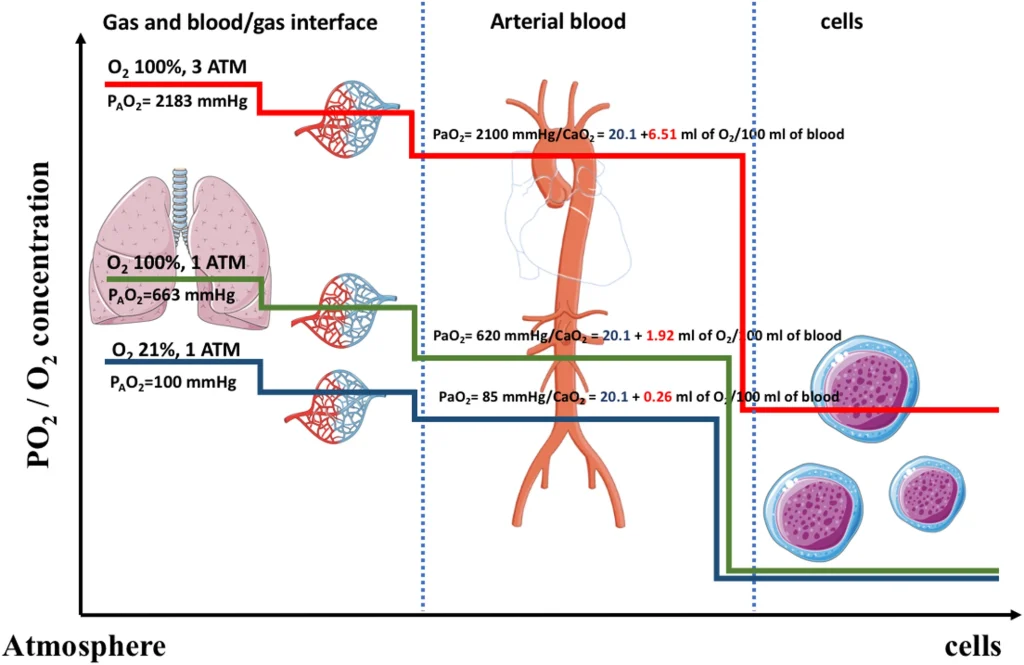
🧠 Hyperoxia in Acute Brain Injury: Friend or Foe? Abstract: This commentary responds to Romero-GarcĂ­a et al.’s meta-analysis linking arterial hyperoxemia (PaO₂ elevation) to worse neurological outcomes in acute brain injury (ABI). The authors argue that equating hyperoxemia with cellular hyperoxia and oxidative injury is an oversimplification. Physiological evidence shows that oxygen transport is constrained […]

,

Hyperoxia and acute brain injury Read Post »
Respiratory, Uncategorized

Imaging and pulmonary function techniques in ARDS diagnosis and management: current insights and challenges

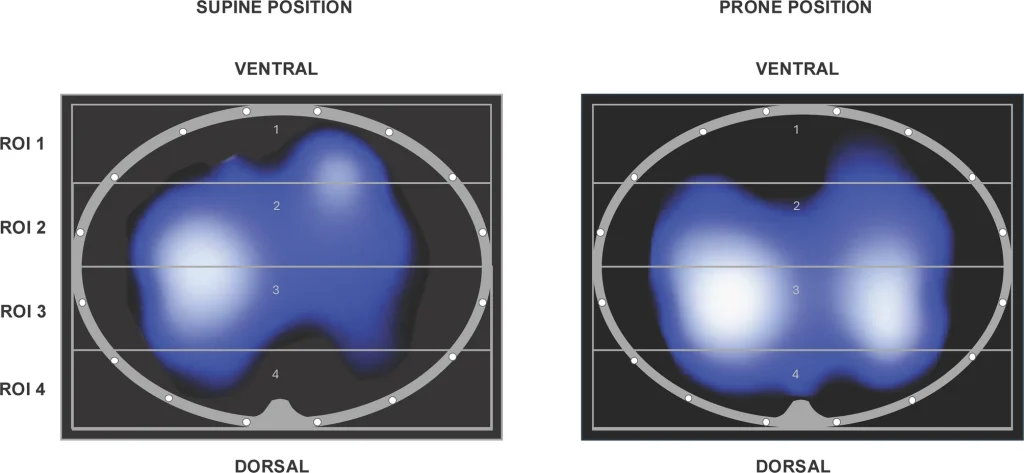
đŸ« Are CT, LUS, and EIT the missing link to truly personalized ARDS care? Abstract: This narrative review argues that integrating chest CT, lung ultrasound (LUS), and electrical impedance tomography (EIT) with key physiology (compliance, driving pressure, transpulmonary pressure, mechanical power) can sharpen ARDS diagnosis and enable more individualized ventilation. The authors endorse a tiered

,

Imaging and pulmonary function techniques in ARDS diagnosis and management: current insights and challenges Read Post »

Uncategorized

Continuous versus bolus norepinephrine administration and arterial blood pressure stability during induction of general anaesthesia in high-risk noncardiac surgery patients: a randomised trial

Summary This randomized clinical trial compared the effects of continuous norepinephrine infusion versus intermittent manual bolus administration on arterial blood pressure stability during induction of general anesthesia in high-risk noncardiac surgical patients. Seventy-one patients were randomized, and blood pressure stability was measured as generalized average real variability of mean arterial pressure (ARV-MAP) during the first

Continuous versus bolus norepinephrine administration and arterial blood pressure stability during induction of general anaesthesia in high-risk noncardiac surgery patients: a randomised trial Read Post »

Uncategorized

Prognostic implication of venoarterial extracorporeal membrane oxygenation in acute myocardial infarction-related cardiogenic shock

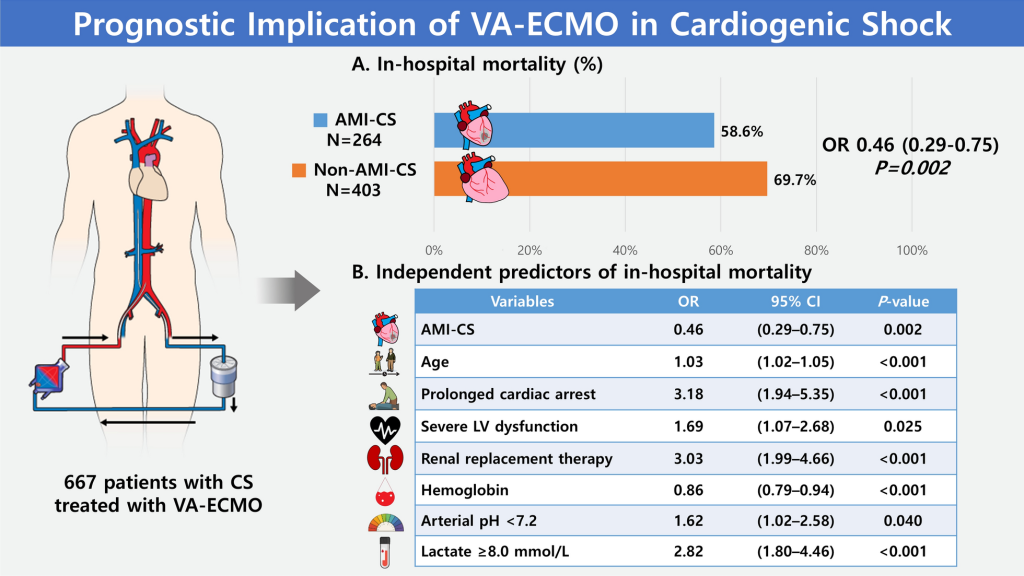
Summary This retrospective study aimed to evaluate clinical outcomes in patients receiving veno-arterial extracorporeal membrane oxygenation (VA-ECMO) for cardiogenic shock (CS), comparing acute myocardial infarction-related cardiogenic shock (AMI-CS) with non-AMI-CS. Analysis of data from 667 patients treated between 2008 and 2023 showed that AMI-CS was associated with significantly lower in-hospital mortality compared to non-AMI-CS. Independent

Prognostic implication of venoarterial extracorporeal membrane oxygenation in acute myocardial infarction-related cardiogenic shock Read Post »

Uncategorized

The Zentensivist Manifesto. Defining the Art of Critical Care

Summary This perspective piece introduces the concept of “zentensivism,” a minimalist and holistic approach to critical care medicine that seeks to counteract the harmful tendency towards excessive medical interventions. Combining Zen philosophy with the core principles of evidence-based medicine, zentensivism advocates for careful clinical reasoning, thoughtful inaction, and patient-centered care. The authors discuss the necessity

The Zentensivist Manifesto. Defining the Art of Critical Care Read Post »

Miscellaneous

Acid–Base Status in Critically Ill Patients: Physicochemical vs. Traditional Approach

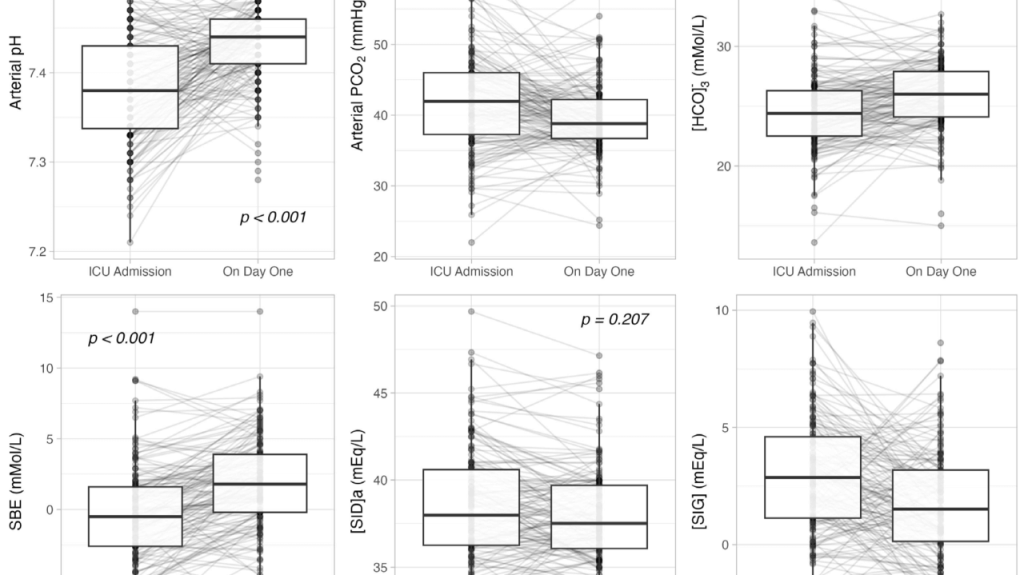
Summary Ciabattoni et al. conducted a prospective observational study to evaluate the prevalence and progression of acid–base disturbances in mechanically ventilated ICU patients using traditional (standard base excess—SBE) and physicochemical (Stewart method) approaches. They found significant differences in diagnostic accuracy between the two methods, with poor agreement, highlighting the Stewart method’s potential superiority in capturing

Acid–Base Status in Critically Ill Patients: Physicochemical vs. Traditional Approach Read Post »

Cardiovascular

Fluid balance and outcome in cardiac arrest patients admitted to intensive care unit

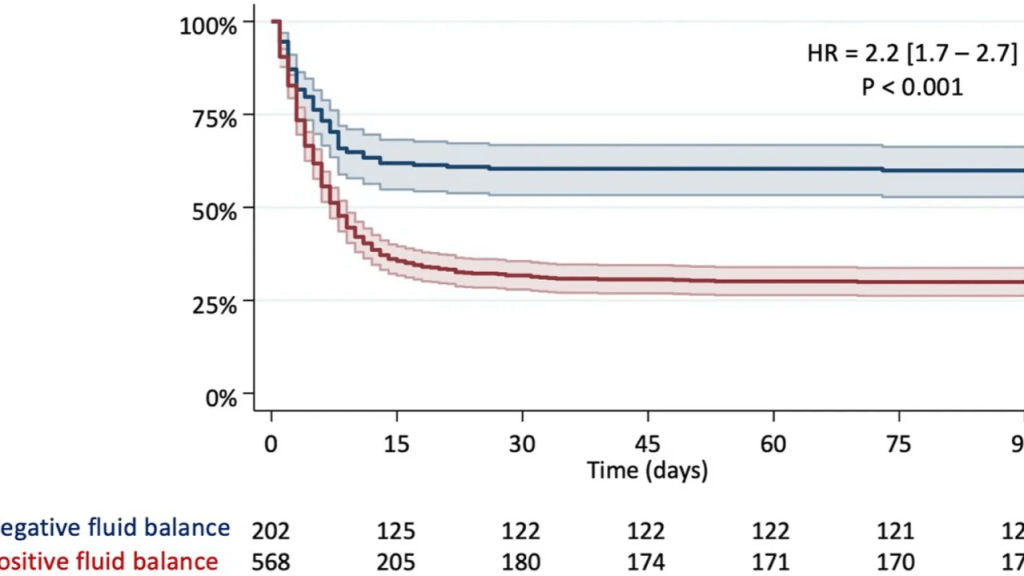
Summary Renaudier et al. conducted a multicenter study to evaluate the impact of fluid balance on outcomes in patients admitted to intensive care units (ICUs) after out-of-hospital cardiac arrest (OHCA). The study found that a positive fluid balance was consistently associated with increased mortality, highlighting potential benefits of restrictive fluid management in this patient group.

,

Fluid balance and outcome in cardiac arrest patients admitted to intensive care unit Read Post »

Uncategorized

Prone positioning during veno-venous extracorporeal membrane oxygenation: a systematic review and meta-analysis

Summary Pettenuzzo et al. conducted a comprehensive systematic review and meta-analysis evaluating the effects of prone positioning during veno-venous extracorporeal membrane oxygenation (V-V ECMO) in patients with acute hypoxemic respiratory failure. Analyzing data from 22 studies (3,465 patients), the review concluded that prone positioning is associated with significantly improved 28-day and hospital mortality rates despite

, ,

Prone positioning during veno-venous extracorporeal membrane oxygenation: a systematic review and meta-analysis Read Post »

Cardiovascular

Navigating Hemorrhagic Shock: Biomarkers, Therapies, and Challenges in Clinical Care

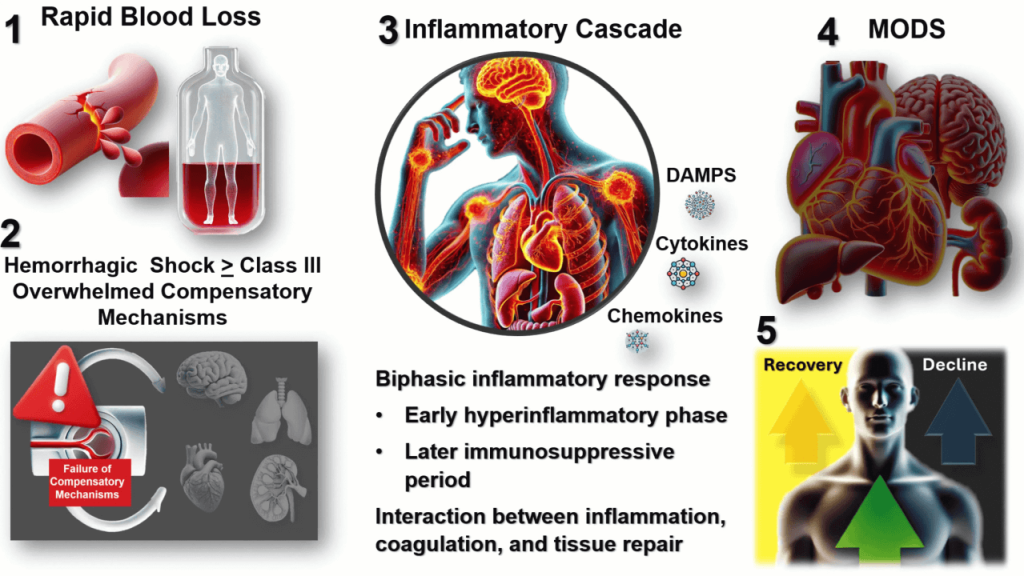
Summary Hemorrhagic shock remains a leading cause of preventable death globally, characterized by a complex, time-sensitive inflammatory response that evolves from hyperinflammation to immunosuppression. This review explores the pathophysiology, progression, and systemic consequences of hemorrhagic shock, emphasizing the interplay between tissue injury, endothelial dysfunction, coagulopathy, and metabolic derangements. The article outlines established and emerging biomarkers,

Navigating Hemorrhagic Shock: Biomarkers, Therapies, and Challenges in Clinical Care Read Post »

Sepsis

Sepsis-Associated Acute Kidney Injury

Summary Acute kidney injury (AKI) is a common complication of sepsis and significantly increases patient morbidity and mortality. Nearly two-thirds of patients with septic shock develop AKI, resulting in a six- to eightfold increase in mortality. Despite progress in understanding its pathophysiology and biomarkers, there are still limited effective therapies. This review outlines the epidemiology,

, , ,

Sepsis-Associated Acute Kidney Injury Read Post »

Scroll to Top