Author name: admin

Pulmonary

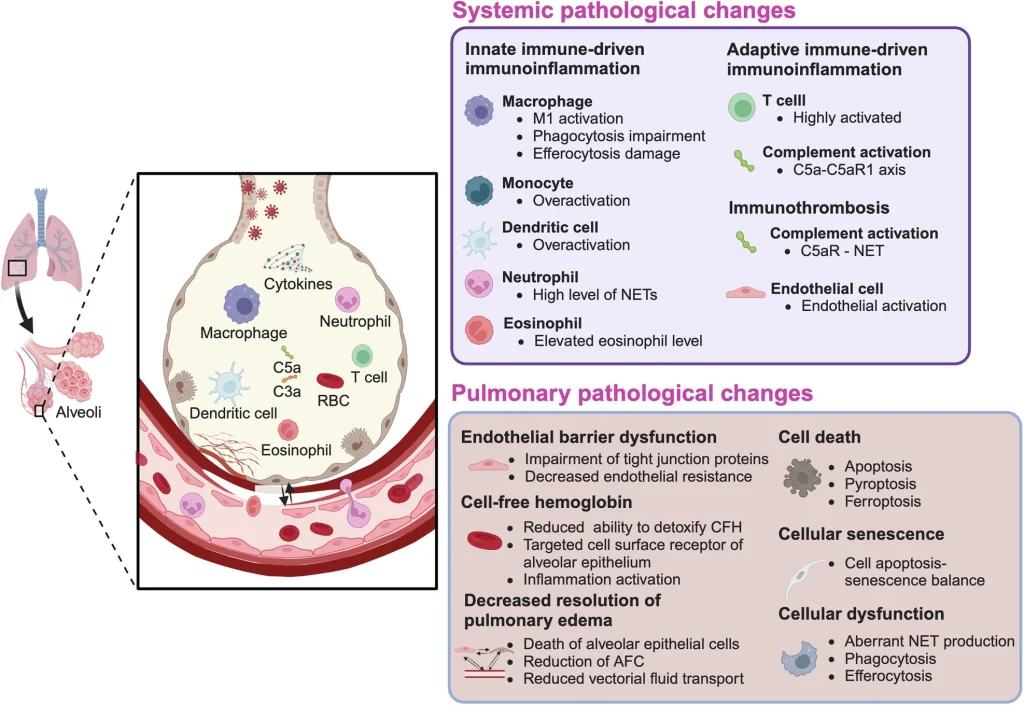
Advances in acute respiratory distress syndrome: focusing on heterogeneity, pathophysiology, and therapeutic strategies

Summary of “Advances in acute respiratory distress syndrome: focusing on heterogeneity, pathophysiology, and therapeutic strategies” Abstract This review addresses the growing complexity and heterogeneity of acute respiratory distress syndrome (ARDS), emphasizing its diverse pathophysiology, evolving clinical presentations, and variable treatment responses. Despite decades of study, ARDS remains a major cause of ICU mortality. The article […]

, ,

Advances in acute respiratory distress syndrome: focusing on heterogeneity, pathophysiology, and therapeutic strategies Read Post »

Pulmonary

Acute Respiratory Distress Syndrome and Fluid Management: Finding the Perfect Balance

Summary of “Acute Respiratory Distress Syndrome and Fluid Management: Finding the Perfect Balance” (J. Clin. Med. 2025, 14, 2067) Abstract Acute Respiratory Distress Syndrome (ARDS) is characterized by alveolar epithelial injury leading to capillary leak and alveolar flooding. While fluid therapy is often essential in early resuscitation, excessive fluid administration may exacerbate pulmonary edema, impair

,

Acute Respiratory Distress Syndrome and Fluid Management: Finding the Perfect Balance Read Post »

Cardiovascular, Pulmonary

Navigating Heart–Lung Interactions in Mechanical Ventilation: Pathophysiology, Diagnosis, and Advanced Management Strategies in ARDS and Beyond

Summary of “Navigating Heart–Lung Interactions in Mechanical Ventilation: Pathophysiology, Diagnosis, and Advanced Management Strategies in Acute Respiratory Distress Syndrome and Beyond” Abstract: This article explores the intricate cardiopulmonary dynamics encountered in critically ill patients undergoing mechanical ventilation. It emphasizes the importance of understanding heart–lung interactions, particularly the vulnerability of the right ventricle (RV) under mechanical

Navigating Heart–Lung Interactions in Mechanical Ventilation: Pathophysiology, Diagnosis, and Advanced Management Strategies in ARDS and Beyond Read Post »

Mechanical Ventilation

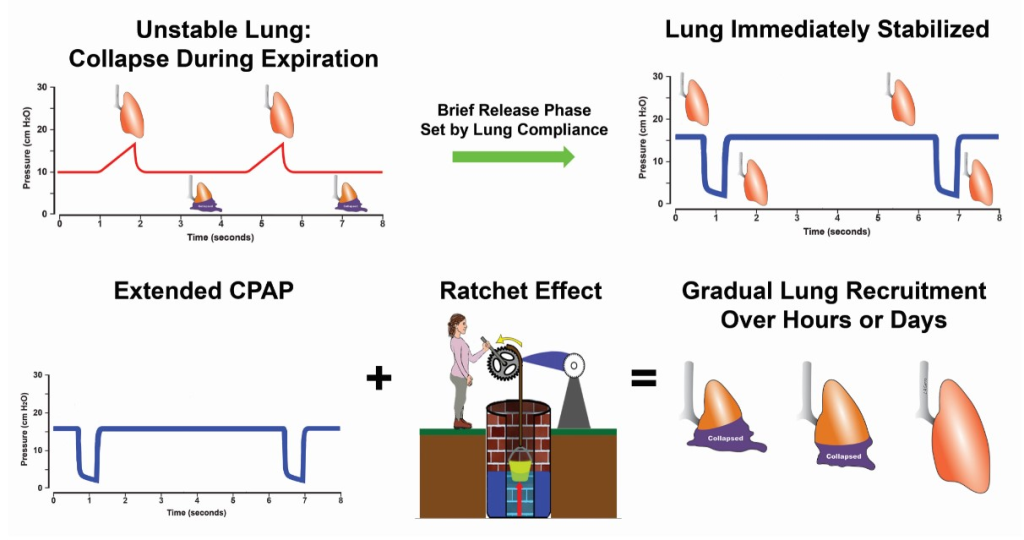
First Stabilize and then Gradually Recruit: A Paradigm Shift in Protective Mechanical Ventilation for Acute Lung Injury

Summary of “First Stabilize and then Gradually Recruit: A Paradigm Shift in Protective Mechanical Ventilation for Acute Lung Injury” Citation: Nieman GF, Kaczka DW, Andrews PL, et al. J Clin Med. 2023;12(14):4633. doi:10.3390/jcm12144633 Abstract The article introduces a new paradigm in mechanical ventilation for acute lung injury, emphasizing a “Stabilize Lung Approach” (SLA) over traditional

, ,

First Stabilize and then Gradually Recruit: A Paradigm Shift in Protective Mechanical Ventilation for Acute Lung Injury Read Post »

Mechanical Ventilation

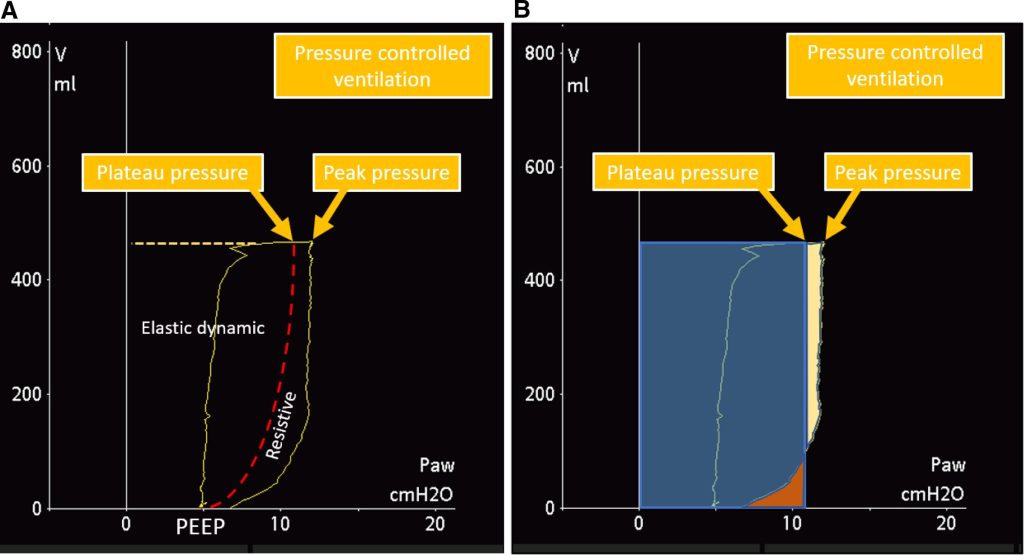
Mechanical Power in Pressure-Controlled Ventilation: A Simple and Reliable Bedside Method

Summary of Mechanical Power in Pressure-Controlled Ventilation: A Simple and Reliable Bedside Method Snoep JWM, Rietveld PJ, van der Velde-Quist F, de Jonge E, Schoe A. Crit Care Explor. 2025. Abstract This study presents a newly proposed equation for calculating mechanical power (MP) in pressure-controlled ventilation (PCV) that is both simple and accurate for bedside

, ,

Mechanical Power in Pressure-Controlled Ventilation: A Simple and Reliable Bedside Method Read Post »

Cardiovascular

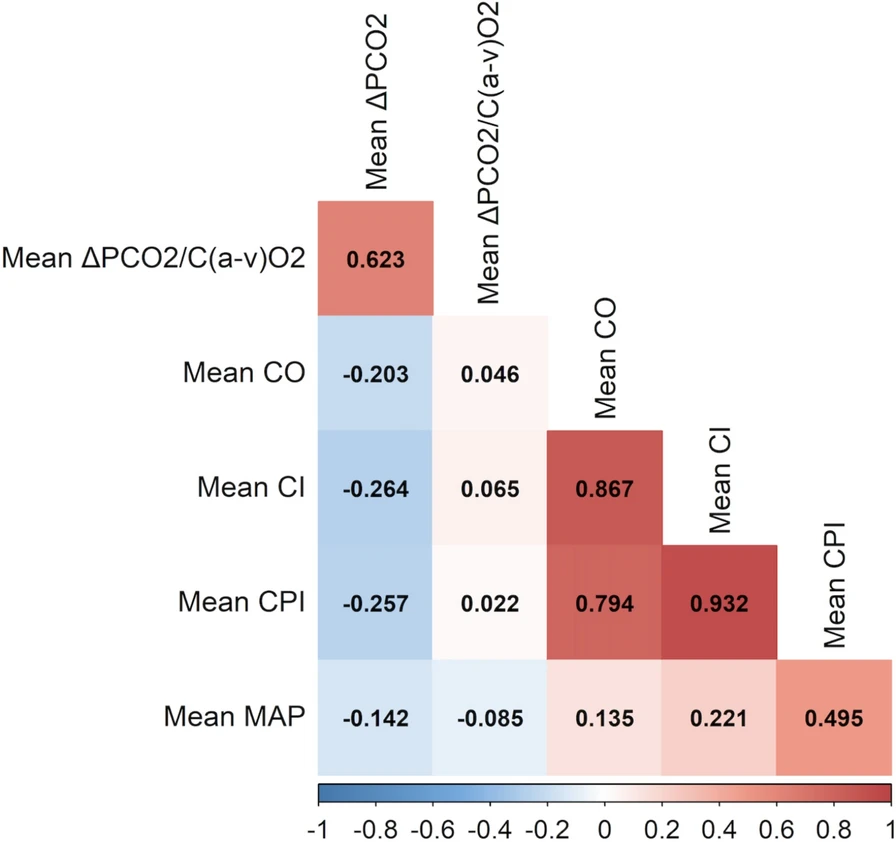
Association between mean hemodynamic variables during the first 24 h and outcomes in cardiogenic shock: identification of clinically relevant thresholds

Summary of “Association between mean hemodynamic variables during the first 24 h and outcomes in cardiogenic shock: identification of clinically relevant thresholds” Abstract: This study investigated the association between mean hemodynamic variables within the first 24 hours and outcomes in patients with cardiogenic shock (CS). Using data from two prospective cohorts (OptimaCC and MicroShock), researchers

,

Association between mean hemodynamic variables during the first 24 h and outcomes in cardiogenic shock: identification of clinically relevant thresholds Read Post »

Uncategorized

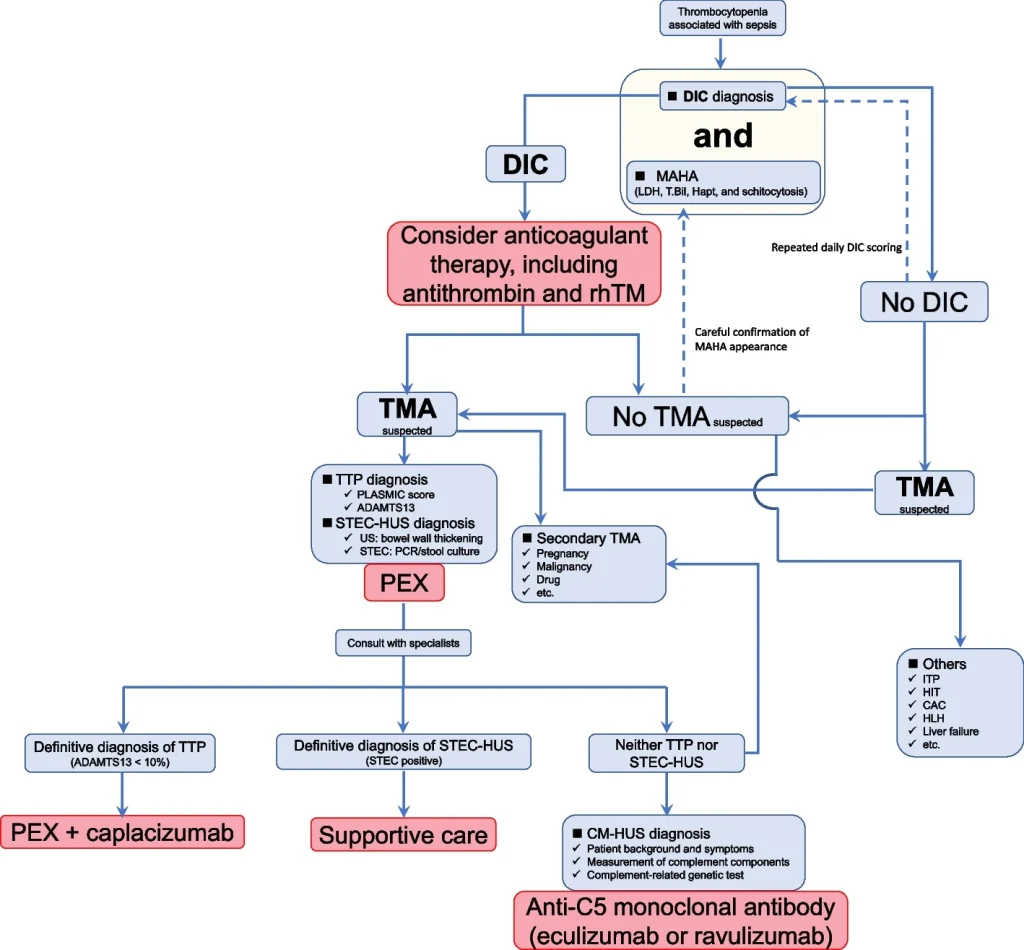
Practical approach to thrombocytopenia in patients with sepsis: a narrative review

Summary of Practical approach to thrombocytopenia in patients with sepsis: a narrative review Abstract: Thrombocytopenia is common in sepsis, with disseminated intravascular coagulation (DIC) being a frequent cause, though thrombotic microangiopathy (TMA)—including thrombotic thrombocytopenic purpura (TTP) and hemolytic uremic syndrome (HUS)—is increasingly recognized. Differentiating DIC from TMA is challenging due to overlapping clinical and laboratory

, ,

Practical approach to thrombocytopenia in patients with sepsis: a narrative review Read Post »

Renal

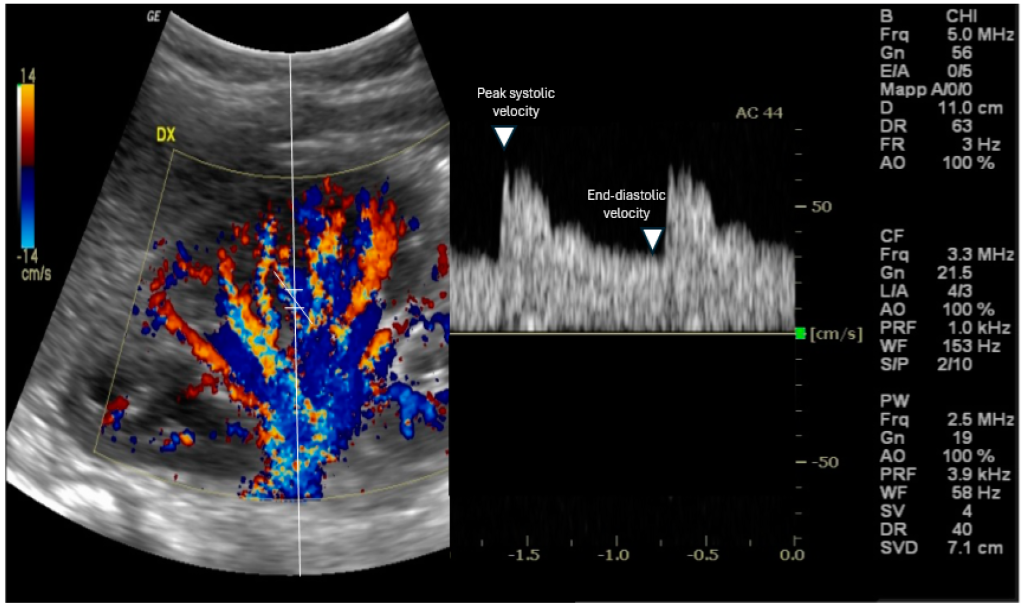
Exploring the Utility of Renal Resistive Index in Critical Care: Insights into ARDS and Cardiac Failure

Summary of “Exploring the Utility of Renal Resistive Index in Critical Care: Insights into ARDS and Cardiac Failure” Abstract The renal resistive index (RRI), a Doppler ultrasound-derived metric, offers a non-invasive window into renal hemodynamics, especially relevant in patients with acute respiratory distress syndrome (ARDS) and heart failure (HF). This narrative review explores RRI’s physiological

, ,

Exploring the Utility of Renal Resistive Index in Critical Care: Insights into ARDS and Cardiac Failure Read Post »

Pulmonary

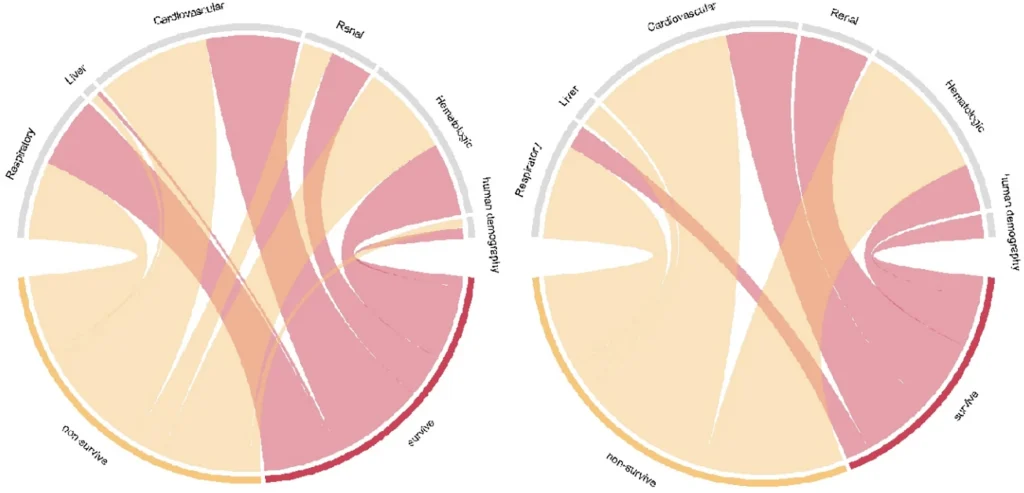
Evaluating the impact of ESICM 2023 guidelines and the new global definition of ARDS on clinical outcomes: insights from MIMIC-IV cohort data

Summary of “Evaluating the Impact of ESICM 2023 Guidelines and the New Global Definition of ARDS on Clinical Outcomes: Insights from MIMIC-IV Cohort Data” Abstract In response to the newly proposed ARDS definitions by ESICM (2023) and the global consensus led by Matthay et al. (2024), this study investigates the clinical impact of these revised

,

Evaluating the impact of ESICM 2023 guidelines and the new global definition of ARDS on clinical outcomes: insights from MIMIC-IV cohort data Read Post »

Pulmonary

Anion gap predicting 90-Day mortality and guiding furosemide use in ARDS

Summary of “Anion gap predicting 90-Day mortality and guiding furosemide use in ARDS” Abstract This retrospective cohort study assessed whether the serum anion gap (AG), a marker of metabolic acidosis, could predict 90-day mortality in ARDS patients and guide furosemide use. Using the MIMIC-IV database, 11,227 patients with ARDS were analyzed. Higher AG levels correlated

, ,

Anion gap predicting 90-Day mortality and guiding furosemide use in ARDS Read Post »

Scroll to Top