
Discover our section specialized in congenital heart disease pathologies, where you can find more than 200 pathologies.
Collaboration with Prof. Daniel Tobler and University of Basel
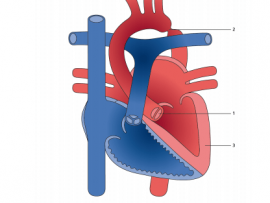

Prevalence of congenital heart disease (CHD) is constantly increasing during the last decades in line with the treatment options for patients ranging from the surgical as well to the interventional spectrum. This mini-review addresses two of the most common defects with bicuspid aortic valve (BAV) and coarctation of the aorta..
Read More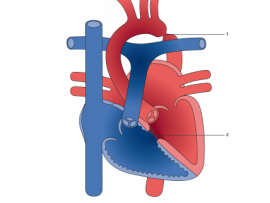
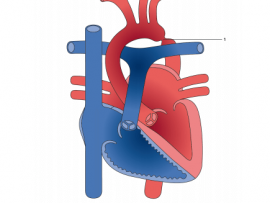
Coarctation of aorta (CoA) can be simply defined as cardiac abnormality resulting in obstruction to the blood flow in the aorta. CoA can occur at any region in the thoracic and abdominal aorta. Most common location for CoA is just distal to the left subclavian artery at the point where..
Read More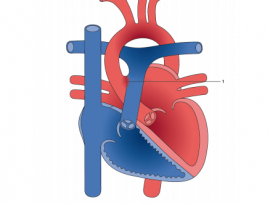
Aortopulmonary window (APW) or aortopulmonary septal defect, first described by Elliotson in third decade of last century,[] is a cardiac abnormality that results from abnormal communication between the proximal aorta and the main pulmonary artery in the presence of two normally separated aortic and pulmonary valves. APW is a relatively..
Read More
Abnormal aortic valve development is one of the most threatening congenital heart diseases. Like a thief in the night, the patient might be struck by endocarditis after a visit to the dentist without using endocarditis prophylaxis. After all, he or she did not know the aortic valve was abnormal and..
Read More
Aortic stenosis refers to a condition that causes obstruction to blood flow between the left ventricle and the aorta. There are a variety of causes, including muscular obstruction below the aortic valve, obstruction at the valve itself, or aortic narrowing immediately above the valve. The most common form of aortic..
Read More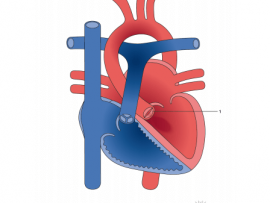
Bicuspid aortic valve (BAV) is the most common congenital cardiac abnormality, affecting approximately 1%-2% of the general population. (1,2) Adverse cardiac outcomes related to the valve and/or root (3) put a large burden on cardiovascular patients, in addition to the many undergoing aortic valve replacement who will also need aortic..
Read More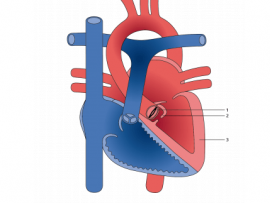
Subvalvular aortic stenosis (SAS), also called subaortic stenosis, is a rare disorder seen in infants. In most cases, it involves the presence of a membrane that is typically muscular just below the aortic valve, which causes a fixed obstruction to blood flow across the left ventricular outflow tract. The course..
Read More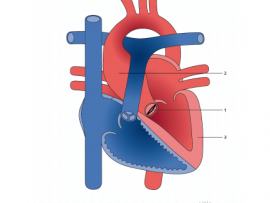
Bicuspid aortic valve (BAV) is the most common congenital cardiac abnormality, occurring in 0.5%-1.4% of the population; this anomaly is sporadically transmitted genetically by an autosomal-dominant pathway, with a 3:1 male predominance. BAV is clinically important, not only because of valve-related complications (valve dysfunction, infective endocarditis), but also because of..
Read More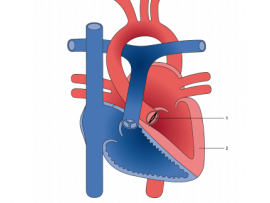
Bicuspid aortic valve (BAV) and congenital aortic stenosis are two types of heart defects that may be present at birth. They can occur separately or together. In some cases, bicuspid aortic valve causes another condition called aortic valve stenosis.
Read More