


Abstract Objective: To evaluate inflammatory biomarkers and lipidomic profiles in tracheal aspirates (TA) of infants with congenital heart disease (CHD), by pulmonary blood flow (Qp) high/low grouping at the time of cardiac surgery on cardiopulmonary bypass (CPB), and to examine associations across CHD phenotypes. Design: Post hoc analysis of patient..
Read More
Abstract Introduction del Nido cardioplegia had not been commercially available in the United Kingdom prior to the DESTINY trial, a multi-centre individually randomised controlled trial to evaluate whether del Nido or St Thomas’ blood cardioplegia provides better myocardial protection in children of all ages. In this sub-study, we explored the..
Read More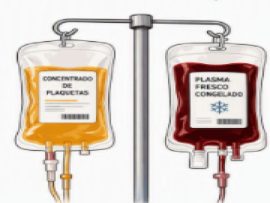
Abstract Background: Allogenic blood product transfusion has well-documented risks and adverse outcomes. To limit perioperative transfusions for neonates and infants undergoing cardiac surgery, our institution launched a blood conservation program in May, 2021. Over the past several years, our standard has changed from blood priming the cardiopulmonary bypass (CPB) circuit..
Read More
Abstract Introduction Cardiopulmonary bypass (CPB) provokes a systemic inflammatory response with important consequences for infants and children undergoing repair of congenital heart disease [, , ]. Inflammation engages overlapping coagulation and immune cascades that can culminate in endothelial dysfunction, vasoplegia, and organ injury, contributing to postoperative morbidity and delayed recovery..
Read More
Abstract The gut microbiome has emerged as an important regulator of cardiovascular physiology through interconnected metabolic, immune, inflammatory, and endocrine pathways. Although the gut–heart axis has been extensively investigated in adult cardiovascular disease, its relevance in paediatric cardiology is only beginning to be recognised. The dynamic development of the gut..
Read More
Abstract Background: Pediatric cardiac surgery requiring cardiopulmonary bypass (CPB) is associated with high transfusion rates. While transfusions increase risks of adverse events, existing evidence cannot differentiate whether risks arise from transfusion itself or cumulative volumes. This study aims to explore the relationship between intra-operative transfusion volume and adverse outcomes, exploring..
Read More
Abstract Objectives: To describe the rate, characteristics, and outcomes of pediatric extracorporeal cardiopulmonary resuscitation (ECPR) for in-hospital cardiac arrest (IHCA) in Japan and evaluate temporal trends. Design: Retrospective cohort using the Japanese Diagnosis Procedure Combination database from April 2011 to March 2022. Setting: Nationwide dataset with approximately 50% of all..
Read More
Abstract The application of cardiopulmonary bypass (CPB) has significantly advanced cardiovascular surgery. However, CPB-associated brain injury remains a critical complication that affects patient prognosis and quality of life. Overt stroke occurs in approximately 1–5% of cases, while postoperative delirium affects 20–50% of patients, and perioperative neurocognitive disorders are reported in..
Read More
Abstract Introduction Tetralogy of Fallot (TOF) is the most common cyanotic heart disease (CHD). The associated cardiac abnormalities disrupt oxygenation and depending on disease severity, infants with TOF syndrome are classified into two groups. Patients with normal oxygen saturation (SaO2 > 94%) are referred to as non-cyanotic TOF, whereas those with reduced..
Read More
Abstract Background: Multisystem inflammatory syndrome in children (MIS-C) is a relatively rare complication of COVID-19, with frequent cardiovascular involvement, in terms of pericarditis, valvulitis, coronary aneurysms, and myocardial dysfunction/cardiogenic shock. Prognosis appears to be benign, but data about long-term follow-up are limited. Aims and Objectives: We aimed at describing acute..
Read More