
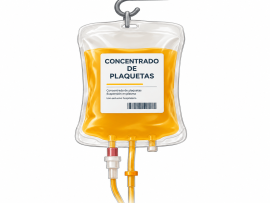

Abstract Background/Objectives: Postoperative bleeding remains a major complication following coronary artery bypass grafting (CABG), contributing to transfusion requirements, reintervention, and morbidity. The objective of this study was to assess the..
Read More
Abstract Background and Objectives: Prolonged intensive care unit (ICU) stay following coronary artery bypass grafting (CABG) remains a major clinical challenge. The aim of this study was to identify preoperative..
Read More
Abstract Background This study aimed to evaluate in-hospital mortality and to identify predictors of mortality in coronary artery bypass grafting (CABG) patients receiving veno-arterial extracorporeal membrane oxygenation (VA-ECMO) support. Methods..
Read More
Abstract Background Pulmonary complications after coronary artery bypass surgery continue to be a significant problem, affecting 5–20% of patients, prolonging hospital stays and increasing costs. In this study, we investigated..
Read More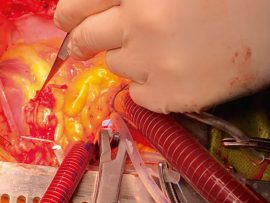
Abstract Objectives Coronary artery bypass grafting shows impaired outcomes in women compared to men. Investigation of sex-related outcome differences mostly comprises different operative strategies, potentially hampering interpretation of data. We..
Read More
Abstract Background This study aimed to evaluate in-hospital mortality and to identify predictors of mortality in coronary artery bypass grafting (CABG) patients receiving veno-arterial extracorporeal membrane oxygenation (VA-ECMO) support. Methods..
Read More
Abstract Aortic manipulation and prolonged ischemia during cardiopulmonary bypass remain major drivers of perioperative complications. Optimizing clamping strategies is crucial to minimize iatrogenic blood loss and improve recovery profiles within..
Read More
Abstract Background An abnormal perioperative blood lactate level has been reported to be associated with poor outcomes after cardiac surgery. However, their impact on female patients remains underexplored. This large-scale..
Read More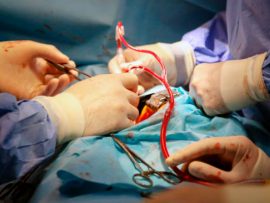
Introduction Takayasu’s arteritis (TA) is an idiopathic vasculitis that mainly affects the aorta and its proximal branches. The female-to-male ratio is 8:1. The mean age at the time of diagnosis..
Read More
Abstract Background Octogenarians are deemed a high-risk patient population with increased postoperative morbidity and mortality after conventional coronary artery bypass grafting with cardiopulmonary bypass. In such patients, reducing the invasiveness..
Read More
Abstract Delirium remains a common yet important complication after coronary artery bypass grafting (CABG)., Despite robust research linking delirium to adverse outcomes in this setting, it is still regarded as a..
Read More
Abstract Background: Acute kidney injury (AKI) is a critical complication, affecting up to 30% of coronary artery bypass grafting (CABG) patients, and contributing to significant morbidity and mortality. Recent studies indicate..
Read More
Abstract Background: The degree of hypothermia during coronary artery bypass grafting (CABG) surgery may affect kidney injury. In this study we compared the effects of mild (MLD) and moderate (MOD) hypothermia..
Read More
Abstract This narrative review summarizes current evidence on the role of aminothiols as biomarkers of oxidative stress in patients undergoing coronary artery bypass grafting (CABG). CABG is accompanied by profound..
Read More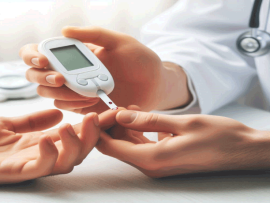
Abstract Background Increased postoperative glycemic variability (GV) has been shown to be associated with an increased risk for adverse outcomes. However, the impact of postoperative GV on the long-term mortality..
Read More
Abstract Objectives Minimal invasive Extracorporeal Circulation (MiECC) and Hybrid System (HS) have been introduced to potentially reduce the inflammatory response compared to conventional Cardiopulmonary Bypass (cCPB). The HS combines elements..
Read More
Abstract Managing severe (AS) alongside complex (CAD) in frail patients is challenging. A 79-year-old female with resting dyspnea was diagnosed with severe AS and CAD. While (CABG) was the appropriate treatment for CAD,..
Read More
Abstract Background Intra-aortic balloon pump (IABP) implantation in the perioperative period of cardiac surgery is an auxiliary treatment for cardiogenic shock. However, there is a lack of effective prediction models..
Read More
Abstract Background Cardioplegic arrest can be induced by various methods, fueling a long-standing controversy about their comparative merit. We aim to compare cardioplegic methods in coronary artery disease. Methods PubMed,..
Read More
Abstract Background Despite sternum sparing and without cardiopulmonary bypass, the actual value of minimally invasive coronary surgery (MICS) is still debatable. This study aimed to compare the completeness of revascularization..
Read More
Abstract Background and Objectives: The aim of this study was to compare the effects of sevoflurane-based anesthesia and propofol-based total intravenous anesthesia (TIVA) on intraocular pressure (IOP) during coronary artery..
Read More
Abstract OBJECTIVES It has been suggested that long-term risk for incident cancer is increased in patients operated with cardiopulmonary bypass. We compared the risk for incident cancer and cancer-specific death..
Read More
Abstract Background Postoperative period of Coronary Artery Bypass Grafting can be challenging, with physical and psychological problems and symptoms. We conducted this study to explore the effect of a psycho-educational..
Read More
Abstract Purpose of review Coronary artery bypass grafting, revascularization by percutaneous coronary intervention, and heart valve surgery are crucial therapeutic interventions for patients with various cardiovascular diseases. The objective of..
Read More
Abstract BACKGROUND: Prior studies identified thresholds for mean arterial pressure (MAP <65 mm Hg) and central venous pressure (CVP >12 mm Hg) beyond which risk for cardiac surgery-associated acute kidney..
Read More
Abstract Aims This study aims to identify distinct clusters of patients undergoing coronary artery bypass grafting (CABG) based on demographic, clinical, and autonomic function characteristics and to validate these clusters...
Read More
Abstract Objectives The effect of perioperative hyperoxia on microcirculation after cardiac surgery remains inconclusive. We evaluated the relationship between intraoperative fractional inspired oxygen and microcirculation after off-pump coronary artery bypass..
Read More
Abstract Background On-pump coronary artery bypass grafting (CABG) triggers inflammatory responses as a result of surgical stress and extracorporeal circulation, which affect platelet and leukocyte activation while enhancing their intimate..
Read More
Abstract This is a man in his late 70s with a history of myocardial infarction and congenital factor XI (FXI) deficiency, who underwent urgent coronary artery bypass surgery for coronary..
Read More
Abstract Background Coronary artery bypass grafting (CABG) is one of the most effective treatments for improving the quality of life in patients with severe coronary artery disease. However, these patients..
Read More