


Abstract Objective To determine whether colloid choice within the cardiopulmonary bypass (CPB) priming strategy independently modifies the perioperative acid-base trajectory. Design Preplanned analysis of a single-center, double-blind, 3-arm randomized controlled..
Read More
Abstract The application of cardiopulmonary bypass (CPB) has significantly advanced cardiovascular surgery. However, CPB-associated brain injury remains a critical complication that affects patient prognosis and quality of life. Overt stroke..
Read More
Abstract Background Considerable variability persists in coagulation management during cardiopulmonary bypass (CPB) supported cardiac surgery. This survey aimed to describe contemporary reported practices across international settings. Methods A cross-sectional, web-based..
Read More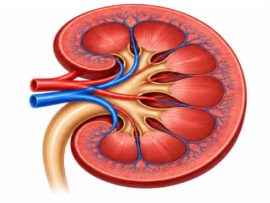
Abstract BACKGROUND: Acute kidney injury (AKI) is a common and severe complication after cardiac surgery with cardiopulmonary bypass (CPB). Experimental data suggest that increasing CPB flow beyond standard targets may..
Read More
Abstract Background: Hemodilution during cardiopulmonary bypass (CPB) is a standard perfusion strategy used to reduce blood viscosity and enhance microcirculatory flow. The hemodilution rate, expressed as hemoglobin (Hb) concentration, is..
Read More
Abstract Objective To evaluate the relationship between cardiopulmonary bypass (CPB) duration, change in thoracic fluid content (ΔTFC) measured using electrical cardiometry, and postoperative oxygenation in infants undergoing ventricular septal defect..
Read More
Abstract Background: Cardiopulmonary bypass (CPB) is a cornerstone of modern cardiac surgery, requiring continuous, high stakes decision making based on rapidly evolving physiological and technical parameters. Despite advances in perfusion..
Read More
Abstract Background Temperature variations during (CPB) may significantly contribute to the development and progression of (AKI) after cardiac surgery. We tested the hypothesis that temperature time-series variables during CPB are associated with..
Read More
Abstract Objectives Acute kidney injury (AKI) is a common complication following cardiac surgery with cardiopulmonary bypass (CPB). This study investigated whether cell-free hemoglobin (CFHb) levels after CPB are associated with..
Read More
Abstract Objectives This study aimed to evaluate the hemodynamic impact and cost-effectiveness of a standardized protocol for refractory vasoplegia occurring after cardiopulmonary bypass (CPB). Design Observational, pre-post study. Setting A..
Read More
Abstract Introduction: Despite the advances in CPB, various complications may occur. Prediction and anticipation of these undesirable outcomes is of great importance. For this reason, various markers have been tried to..
Read More
Abstract Background Nitric oxide (NO) is reported to play several protective roles in the inflammatory response and ischemia/reperfusion injury. This study evaluated the effect of nitric oxide (NO) on postoperative..
Read More
Abstract Objectives Clinical practice in anticoagulation management, particularly in heparin administration, monitoring, reversal and haemostasis, is known to differ significantly. To better characterize this variability, we conducted a Europe-wide survey..
Read More
Abstract Objectives Clinical practice in anticoagulation management, particularly in heparin administration, monitoring, reversal and haemostasis, is known to differ significantly. To better characterize this variability, we conducted a Europe-wide survey..
Read More
Abstract Background Postoperative complications in patients with acute type A aortic dissection (ATAAD) significantly affect their prognosis. This study investigates the association between cardiopulmonary bypass(CPB) weaning time and postoperative adverse..
Read More
Abstract Background The purpose of this descriptive study was to characterize the utilization and outcomes of CPB after trauma. Methods This is an AAST-sponsored retrospective (2011-2021) multicenter (32 centers) study..
Read More
Abstract Background/Objectives: Cardiopulmonary bypass (CPB) facilitates complex cardiac surgery but can damage erythrocyte membranes, impairing microcirculation and oxygen transport. Standard rheological tests assess overall blood properties but fail to define..
Read More
Abstract Objectives To test the hypotheses that intraoperative hyperlactatemia is independently associated with increased postoperative infection risk in cardiac surgery with cardiopulmonary bypass (CPB). Methods This study involved 4970 cardiac..
Read More
Abstract Background Advances in medicine lead to an increase in the number of patients with concurrent heart disease and cancer. We investigated the effect of cardiac surgery under cardiopulmonary bypass..
Read More
Abstract Cardiopulmonary bypass (CPB) is one of the most groundbreaking medical innovations in history, enabling safe and effective heart surgery by temporarily replacing the function of the heart and lungs...
Read More
Abstract To the Editor: I wish to share the results of a retrospective observational correlation study I completed recently. While it is well established that the platelet count is negatively..
Read More
Abstract Objectives: Extracorporeal membrane oxygenation (ECMO) plays a crucial role in the outcome of children following surgery for congenital heart disease. However, its availability and affordability are minimal across the globe...
Read More
Abstract Background: Veno-arterial extracorporeal membrane oxygenation (VA-ECMO) and cardiopulmonary bypass (CPB) are used during pediatric heart surgery to provide cardiopulmonary support to patients as they undergo and recover from surgical..
Read More
Abstract Background/Objectives: Whether a remote history of SARS-CoV-2 infection independently affects early haemodynamic stability after elective cardiopulmonary bypass (CPB) remains uncertain. We evaluated whether prior COVID-19 (>7 weeks before surgery)..
Read More
Abstract Cardiopulmonary bypass (CPB) is one of the most groundbreaking medical innovations in history, enabling safe and effective heart surgery by temporarily replacing the function of the heart and lungs...
Read More
Abstract Objectives Systemic inflammatory response syndrome (SIRS) is a common complication following cardiopulmonary bypass (CPB), associated with increased mortality. We assessed the relationship between indexed oxygen delivery (DO2i) during CPB..
Read More
Abstract CARDIOPULMONARY BYPASS (CPB) is an essential component of cardiac surgery, and its unexpected failure during surgery can compromise circulatory and respiratory management, potentially endangering the patient's life. In the..
Read More
Abstract To investigate the feasibility of regional oxygen saturation (rSO2) monitoring for preventing acute lung injury (ALI)/acute respiratory distress syndrome (ARDS) caused by cardiopulmonary bypass (CPB) in infants undergoing ventricular..
Read More
Abstract Cardiopulmonary bypass serves as a cornerstone in cardiac surgery, enabling life-sustaining circulatory and respiratory support during complex procedures that necessitate the temporary cessation of cardiac activity. This intricate process..
Read More
Abstract Activation of the alternative complement pathway by artificial extracorporeal surfaces is relevant to several clinical applications such as cardiac surgery with cardiopulmonary bypass (CPB), thoracic organ transplantation and hemodialysis...
Read More