
The history of cardiopulmonary bypass and the evolution of pneuma in cardiopulmonary medicine

Abstract
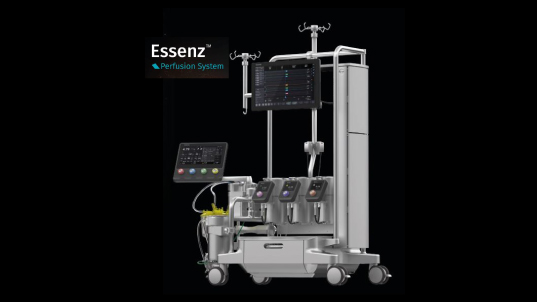
Cardiopulmonary bypass (CPB) is one of the most groundbreaking medical innovations in history, enabling safe and effective heart surgery by temporarily replacing the function of the heart and lungs. This article begins with ancient concepts of cardiopulmonary function, then traces the evolution of CPB through important physiological and anatomical discoveries, culminating in the development of the modern heart-lung machine. In addition to examining the contributions of significant figures such as Galen, Ibn al-Nafis, William Harvey, and John Gibbon, we also explore the ethical and technical challenges encountered in the early days of open-heart surgery. The historical trajectory of pneuma illustrates the transition from speculative medical theories to empirical science. While no longer relevant in modern physiology, pneuma has left an enduring legacy in medical terminology and holistic perspectives on health, highlighting the deep connections between ancient and contemporary medical thought.