


Abstract Background: Myocardial ischemia–reperfusion during cardiac surgery is associated with complex metabolic alterations that reflect both myocardial injury and recovery. This prospective study aimed to characterize intraoperative lactate, pH, and..
Read More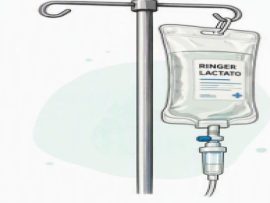
Abstract Objective To determine whether colloid choice within the cardiopulmonary bypass (CPB) priming strategy independently modifies the perioperative acid-base trajectory. Design Preplanned analysis of a single-center, double-blind, 3-arm randomized controlled..
Read More
Abstract Objectives To evaluate whether furosemide administration before cardiopulmonary bypass (CPB) is associated with altered intraoperative urinary oxygen tension (PuO₂) and early postoperative renal outcomes in patients undergoing elective on-pump..
Read More
Abstract The application of cardiopulmonary bypass (CPB) has significantly advanced cardiovascular surgery. However, CPB-associated brain injury remains a critical complication that affects patient prognosis and quality of life. Overt stroke..
Read More
Abstract Background The objective of this secondary analysis was to examine the impact of 2 perfusion modalities on S100 calcium-binding protein B (S100B) levels and neural injury outcomes in patients..
Read More
Abstract Background Severe glucose-6-phosphate dehydrogenase (G6PD) deficiency presents unique challenges during cardiopulmonary bypass (CPB) because of increased susceptibility to oxidative injury and haemolysis. Published guidance regarding optimal perfusion management remains..
Read More
Abstract Cardiopulmonary bypass (CPB) during heart surgery provokes an inflammatory response that can cause post-operative organ injury, yet how CPB shapes key neutrophil effector programs is unclear. We investigated whether..
Read More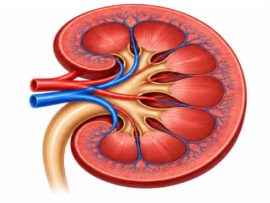
Abstract BACKGROUND: Acute kidney injury (AKI) is a common and severe complication after cardiac surgery with cardiopulmonary bypass (CPB). Experimental data suggest that increasing CPB flow beyond standard targets may..
Read More
Abstract Objectives Low haematocrit during cardiopulmonary bypass is a known risk factor for acute kidney injury, but it is unclear whether high haematocrit also increases acute kidney injury risk. We..
Read More
Abstract Objectives Cardiopulmonary bypass (CPB) priming may influence haemodilution, bleeding, and end-organ injury during HeartMate 3 (HM3) implantation, but evidence in contemporary left ventricular assist device (LVAD) surgery is limited...
Read More
Abstract Background: Hemoperfusion has emerged as a potential extracorporeal blood purification strategy for attenuating inflammation during cardiopulmonary bypass (CPB), but perioperative biomarker trajectory data remain limited. This pilot comparative study..
Read More
Abstract Background and Objectives: Prolonged intensive care unit (ICU) stay following coronary artery bypass grafting (CABG) remains a major clinical challenge. The aim of this study was to identify preoperative..
Read More
Abstract Objectives To determine the probability of a clinically relevant reduction in postoperative myocardial injury following the use of propofol-supplemented cardioplegia. Design Systematic review and Bayesian meta-analysis. Setting Perioperative cardiac..
Read More
Abstract Background In mitral valve surgery, cardioplegia is commonly dosed by body weight or body surface area (BSA), which may not reflect true cardiac mass. We evaluated whether indexing the..
Read More
Abstract Failure to wean from cardiopulmonary bypass (CPB) is a rare but critical intraoperative challenge. Common causes include residual structural defects (causing intracardiac shunting, prosthetic valve leaks), left ventricle outflow..
Read More
Abstract Factor XIII (FXIII) is the final enzyme in the coagulation cascade that cross-links the fibrin monomers, thereby enhancing the clot strength. Congenital FXIII deficiency is rare and is inherited..
Read More
Abstract INTRODUCTION: Femoral venous cannulation is widely used to establish cardiopulmonary bypass (CPB) during minimally invasive cardiac surgery (MICS). Although transesophageal echocardiography (TEE) is commonly used to guide cannula placement, cannula..
Read More
Abstract Background: Hemolytic complications remain a major limitation of membrane oxygenators in clinical support. Compared with human lungs, most commercial oxygenators generate substantial pressure drops and high shear stress, increasing..
Read More
Abstract Objective To describe postoperative outcomes with the use of partial CPB for thoracoabdominal aortic repair. Methods We included all the patients who underwent programmed thoracoabdominal aortic procedures in which..
Read More
Abstract Background There is limited clinical data to guide surgical decisions for ACC with extensive carinal involvement in the left main bronchus. In this case, it is shown that median..
Read More
Abstract Background: The clinical benefits of pulsatile perfusion during cardiopulmonary bypass (CPB) remain a subject of debate. This study aimed to compare clinical outcomes between pulsatile and non-pulsatile perfusion during..
Read More
Abstract Background: Hemodilution during cardiopulmonary bypass (CPB) is a standard perfusion strategy used to reduce blood viscosity and enhance microcirculatory flow. The hemodilution rate, expressed as hemoglobin (Hb) concentration, is..
Read More
Abstract Objective To evaluate the relationship between cardiopulmonary bypass (CPB) duration, change in thoracic fluid content (ΔTFC) measured using electrical cardiometry, and postoperative oxygenation in infants undergoing ventricular septal defect..
Read More
Abstract Imagine, for a moment, that targeted temperature management (TTM), the standard of care in post cardiac arrest management for more than two decades, was built on a false premise..
Read More
Abstract Background We aimed to clarify the changes in sevoflurane blood concentrations in cardiovascular surgeries with cardiopulmonary bypass (CPB) under mild to moderate hypothermia. Methods In this single-center, prospective observational..
Read More
Abstract Background: Cardiopulmonary bypass (CPB) is a cornerstone of modern cardiac surgery, requiring continuous, high stakes decision making based on rapidly evolving physiological and technical parameters. Despite advances in perfusion..
Read More
Abstract Background Cardiopulmonary bypass (CPB) is essential in open-heart surgery but is associated with systemic inflammatory response syndrome and organ-specific complications, which can worsen patient outcomes. In low-resource settings, limited..
Read More
Abstract High-pressure excursions (HPE) during cardiopulmonary bypass (CPB) are rare but potentially life-threatening events linked to coagulation activation, inflammation. Known risk factors include male sex, large body surface area (BSA),..
Read More
Abstract Objectives To compare myocardial protection afforded by three single-dose cardioplegic solutions — Custodiol (HTK), del Nido (DN) and modified del Nido (MDN) — in adult elective cardiac surgery. Design Double-blind randomised..
Read More
Abstract Background: Discussions continue on the ideal priming fluid in adult cardiac surgery. The purpose of this prospective study was to evaluate the effects of different types of priming fluids..
Read More