
What’s new in VA-ECMO for acute myocardial infarction-related cardiogenic shock

Abstract
Cardiogenic shock (CS) is a critical clinical syndrome characterized by inadequate tissue perfusion and oxygen delivery resulting from severe heart dysfunction, leading to multi-organ failure. Diagnostic criteria include
hypoperfusion and hypotension, with reduced cardiac index and/or elevated left ventricular filling pressures
less frequently used.
The predominant cause of CS is acute myocardial infarction (AMICS), occurring in 6–10% of AMI cases, and with persistently high mortality rates of 40–50% despite contemporary revascularization strategies. Mortality increases with more severe CS (Society for Cardiovascular Angiography and Interventions (SCAI) stage D–E).
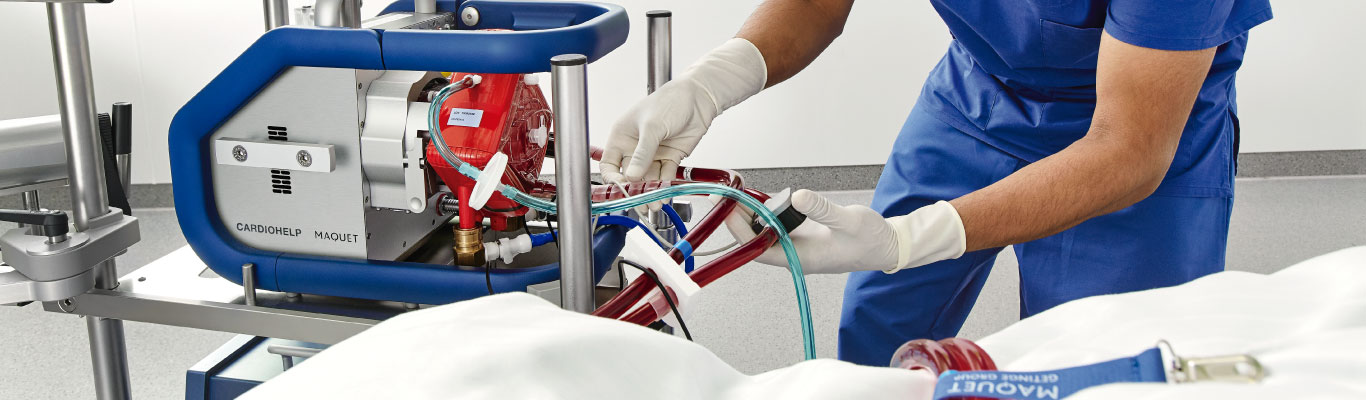
The limited success of conventional treatments has led to increased use of temporary mechanical circulatory support (tMCS) such as venoarterial extracorporeal membrane oxygenation (VA-ECMO) or the IMPELLA®
transvalvular aortic micro-axial pump.
This trend continues despite limited high-quality evidence. tMCS augment aortic blood flow and pressure with the aim to reverse end- organ hypoperfusion and to stabilize hemodynamics, to reduce dependence on potentially harmful inotropes and vasopressors and to allow time for intervention, with the hope of improving outcomes.