Abstract
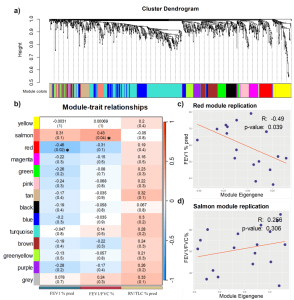
In a comprehensive proteomic analysis of sputum from patients in the WISDOM trial, Fang et al. identified cystatin SN (CST1) as a promising biomarker linked to better responses to inhaled corticosteroids (ICS) in COPD. Elevated CST1 levels—along with other related proteins—were consistently associated with reduced exacerbations and improved outcomes, particularly in patients with higher eosinophil counts. These findings could pave the way for biomarker-guided therapy, sparing non-responders from unnecessary treatment and its side effects.
Key Insights
- CST1 as a Biomarker: High sputum CST1 levels were strongly linked to positive ICS treatment response.
- Protein Cluster Effect: CST1 correlated with a network of other proteins involved in immune modulation.
- Eosinophil Interaction: The biomarker effect was more pronounced in patients with elevated blood eosinophils.
- Treatment Tailoring: Potential to guide ICS prescription, reducing overtreatment.
- Clinical Relevance: Could improve COPD management by integrating molecular and clinical data.
Why This Matters
COPD care has long relied on symptom patterns and spirometry, but these findings suggest a future where personalized inhaler therapy becomes standard. Identifying responders upfront means fewer side effects, lower costs, and better outcomes.
Conclusion
CST1—and its associated protein network—could be the key to unlocking targeted ICS use in COPD. While further validation is needed, this research lays the groundwork for biomarker-driven respiratory care.

Discussion Question: If CST1 testing were available tomorrow, would you change how you prescribe ICS for your COPD patients?
Open Access This article is licensed under a Creative Commons Attribution 4.0 International License, which permits use, sharing, adaptation, distribution and reproduction in any medium or format, as long as you give appropriate credit to the original author(s) and the source, provide a link to the Creative Commons licence, and indicate if changes were made. The images or other third party material in this article are included in the article’s Creative Commons licence, unless indicated otherwise in a credit line to the material. If material is not included in the article’s Creative Commons licence and your intended use is not permitted by statutory regulation or exceeds the permitted use, you will need to obtain permission directly from the copyright holder. To view a copy of this licence, visit http://creativecommons.org/licenses/by/4.0/.