


Abstract Extracorporeal membrane oxygenation (ECMO) has increasingly been used in patients with refractory severe cardiorespiratory failure in recent years. The use of ECMO necessitates anticoagulation as blood passes through an..
Read More
Abstract Background Accidental hypothermia is the unintentional decrease in core body temperature below 35°C due to environmental exposure. Severe hypothermia, defined as a core body temperature less than 28°C, can..
Read More
Abstract Background and Aims Extracorporeal life support (ECLS) is a critical intervention in the management of severe cardiac and respiratory failure. Among the commonly used cannulation techniques, percutaneous cannulation (PC)..
Read More
Abstract Extracorporeal life support provides temporary cardiorespiratory support for patients with severe, potentially reversible cardiac and/or respiratory failure refractory to conventional measures. Its application has broadened across a wide spectrum..
Read More
Abstract Extracorporeal cardiopulmonary resuscitation (ECPR) for pediatric cardiac arrest relies on enhanced resources and time-critical decision-making. We aimed to evaluate variations in systems and clinical practice among extracorporeal membrane oxygenation..
Read More
Abstract Background Pediatric cardiac surgery with cardiopulmonary bypass (CPB) carries substantial transfusion requirements, exposing patients to increased risks of complications during hospital stay. This study evaluates the clinical impact of..
Read More
Abstract The recent article by Ko et al., entitled “The effects of extracorporeal blood purification (oXiris®) in patients with cardiogenic shock who require VA-ECMO (CLEAN ECMO): a prospective, open-label, randomized..
Read More
Abstract Objectives Targeted temperature management (TTM) is the standard of care for comatose cardiac arrest survivors. However, evidence regarding its long-term neurological impact specifically on in-hospital cardiac arrest (IHCA) survivors..
Read More
Abstract Objectives To evaluate whether prolonged exposure below a Patient State Index (PSI) threshold of 25—considered indicative of excessive anesthesia depth via processed electroencephalography—is associated with postoperative delirium (POD) in..
Read More
Abstract Objective To evaluate whether neighborhood-level opportunity, measured by the Child Opportunity Index (COI), is associated with short- and long-term outcomes following pediatric extracorporeal membrane oxygenation (ECMO). Design Retrospective observational..
Read More
Abstract Introduction Extracorporeal membrane oxygenation (ECMO) is a type of mechanical circulatory support that is increasingly utilised for severe cardiorespiratory failure in the intensive care unit (ICU) setting. ECMO is..
Read More
Abstract Background There is no universally accepted definition of perioperative blood loss in cardiac surgery. Existing methods are based on chest tube output and are not normalised for patient weight...
Read More
Abstract Open thoracoabdominal aortic aneurysm repair (TAAAR) is associated with mortality rates of between 8% and 25%. One of the characteristics of TAAAR is massive bleeding that requires multiple units..
Read More
Abstract Heparin-induced thrombocytopenia (HIT) in patients on mechanical circulatory support (MCS) prior to lung transplantation poses a unique challenge of balancing thrombotic versus hemorrhagic complications. An alternative method of anticoagulation..
Read More
Abstract The applications of artificial intelligence (AI) in perioperative cardiothoracic and vascular practice continue to grow, given its multiple applications from discovery across translation and integration to delivery of clinical..
Read More
Abstract Delirium remains a common yet important complication after coronary artery bypass grafting (CABG)., Despite robust research linking delirium to adverse outcomes in this setting, it is still regarded as a..
Read More
Abstract Background Pediatric patients with combined irreversible pulmonary disease and right ventricular (RV) failure on conventional ECMO face significant challenges with rehabilitation and transplant candidacy. We describe our institutional experience..
Read More
Abstract Background Guidelines discourage prediction of neurological outcome in comatose patients within the first 72 h after cardiac arrest. Increasing evidence suggests that patients with the most severe brain injury and..
Read More
Abstract Extracorporeal life support, such as hemodialysis, often face the risk of blood coagulation, where systemic anticoagulation with heparin is routinely administered. However, this strategy is contraindicated in patients at..
Read More
Abstract The global burden of cardiovascular diseases (CVDs) in adults is increasing. Over the past several decades, CVDs have remained the leading cause of death worldwide. Among CVDs, most mortality..
Read More
Abstract Background Temperature variations during (CPB) may significantly contribute to the development and progression of (AKI) after cardiac surgery. We tested the hypothesis that temperature time-series variables during CPB are associated with..
Read More
Abstract Neurally Adjusted Ventilatory Assist (NAVA) is an innovative mode of ventilation that delivers support in synchrony with the infant’s diaphragmatic electrical activity. This technology aims to improve patient–ventilator interaction,..
Read More
Abstract Factor XII (FXII) is a central mediator at the intersection of coagulation, fibrinolysis, inflammation, and immunity. It is activated upon contact with negatively charged surfaces, triggering the intrinsic coagulation..
Read More
Abstract Anaemia is the term for low red blood cell numbers or a deficiency of hemoglobin, the protein that carries oxygen in red blood cells. This results in a reduction..
Read More
Abstract Myocardial injury is a major predictor of adverse cardiovascular outcomes and is driven by both ischemic and inflammatory mechanisms. Hyperbaric oxygen therapy (HBOT), which delivers 100% oxygen at supra-atmospheric..
Read More
Abstract Objectives Neonates and infants who receive a Ross or Ross-Konno operation form a different population from older children and adults who undergo this procedure. We aimed to provide a..
Read More
Abstract Objective To assess how inclusion criteria from major randomized controlled trials (RCTs) of extracorporeal cardiopulmonary resuscitation (ECPR) apply within a cannulated ECPR cohort and to benchmark observed outcomes against..
Read More
Abstract Extracorporeal membrane oxygenation (ECMO) can trigger a systemic inflammatory response syndrome (SIRS) with activation of inflammatory, endothelial, and coagulation system pathways. We assessed in a randomized trial whether a)..
Read More
Abstract Clinically, the inflammation induced by cardiopulmonary bypass (CPB) is associated with a higher incidence of severe complications and mortality. Based on the absorptive property of hemoperfusion, it has been..
Read More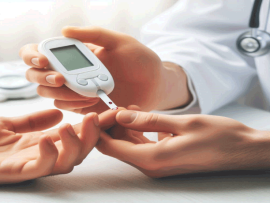
Abstract Background: Perioperative hyperglycemia is associated with adverse patient outcomes including surgical site infections. This study examined whether an automated insulin dosing reminder is associated with a lower risk for..
Read More