
A Comprehensive Total Body Perfusion Strategy vs Conventional Techniques in Elective Aortic Arch Surgery: A Comparative Analysis

Abstract
Aortic arch surgery traditionally relies on hypothermic circulatory and cardioplegic arrest, exposing myocardium and visceral organs to ischaemia-reperfusion injury. We developed a total body perfusion (TBP) strategy providing continuous cerebral, myocardial, and visceral perfusion during arch reconstruction. This study compares outcomes between conventionally and TBP-treated patients.
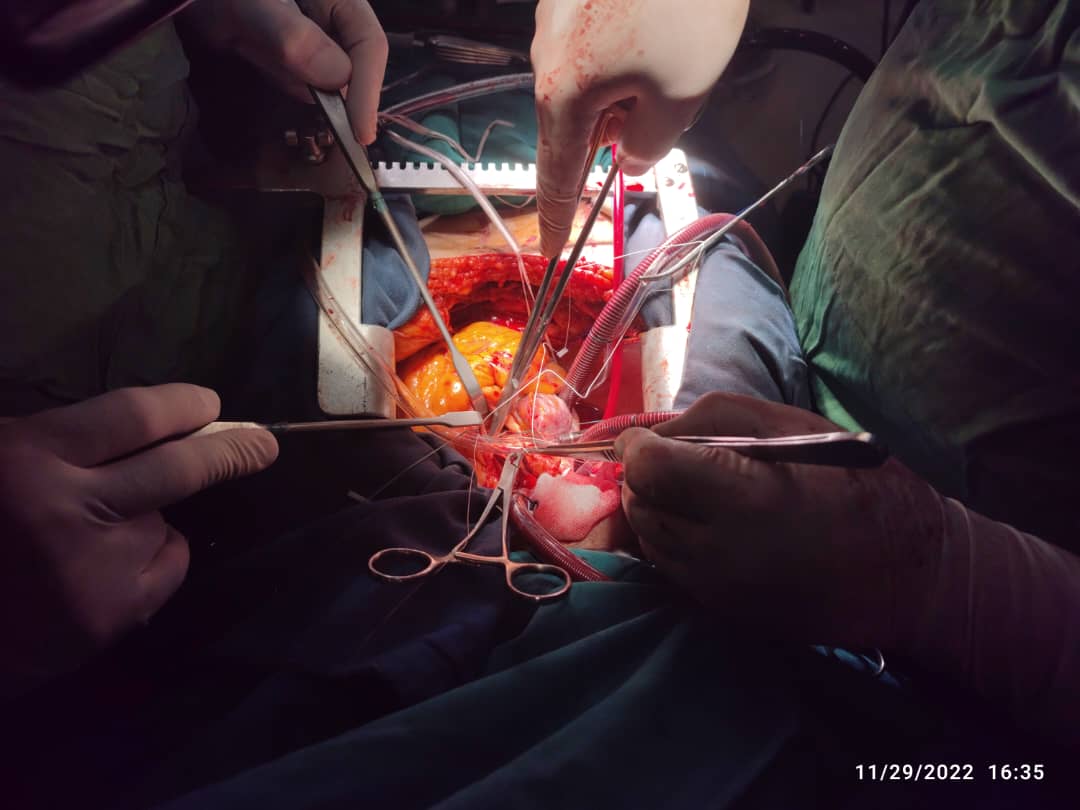
Analysis included 121 consecutive elective aortic arch replacements (2014-2025). From June 2022, patients (n = 38) were intended for TBP; earlier cases (n = 83) underwent conventional techniques. TBP comprised continuous warm myocardial, selective cerebral, and retrograde visceral perfusion. Outcomes included intraoperative characteristics, biochemical markers, and clinical outcomes.
Baseline demographics were similar (male 65.8% vs 53.0%, P = .188; median age 63.9 [IQR 60.5-72.4] vs 66.1 [IQR 58.7-70.6] years, P = .915). TBP-patients presented with greater surgical complexity (more concomitant procedures: 65.8% vs 45.8%, P = .041; chronic dissection: 18.4% vs 0.0%, P < .001; active infection at time of surgery: 15.8% vs 3.6%, P = .027). TBP reduced myocardial ischaemia time (median 65.0 [IQR 39.0-98.5] vs 122.0 [IQR 93.0-170.0] min, P < .001) and circulatory arrest use (18.4% vs 86.7%, P < .001), and demonstrated lower peak lactate levels (median 2.2 [IQR 1.5-4.6] vs 3.9 [IQR 2.9-5.2] mmol/L, P < .001), shorter ICU stay (median 2.0 [IQR 1.0-7.0] vs 4.0 [IQR 3.0-8.0] days, P = .006), and improved one-year survival (92.1% vs 72.3%, P = .025). Multivariable analysis confirmed TBP’s independent survival benefit (HR = 0.187, 95% CI 0.044-0.807, P = .025). Sensitivity analyses were directionally consistent.
TBP appeared as a feasible and safe approach in elective aortic arch surgery, associated with improved clinical outcomes and offering comprehensive organ protection. TBP may expand surgical candidacy in high-risk patients.