
When Veno-Venous ECMO Recirculation Counts

Over the last two years, Extracorporeal Membrane Oxygenation (ECMO) has emerged as a therapy for COVID-related Acute Respiratory Distress Syndrome (ARDS) and continues to be a successful therapy for ARDS cases caused by other illnesses.
However, the effectiveness of ECMO therapy diminishes if reinfused oxygenated blood is recirculated by the drainage cannula instead of being delivered to the patient. According to the Extracorporeal Life Saving Organization (ELSO), the clinical significance of recirculation is determined by the patient’s dependence on ECMO oxygenation. Significant recirculation can cause dangerously low oxygen levels even if the ECMO circuit is functioning properly.
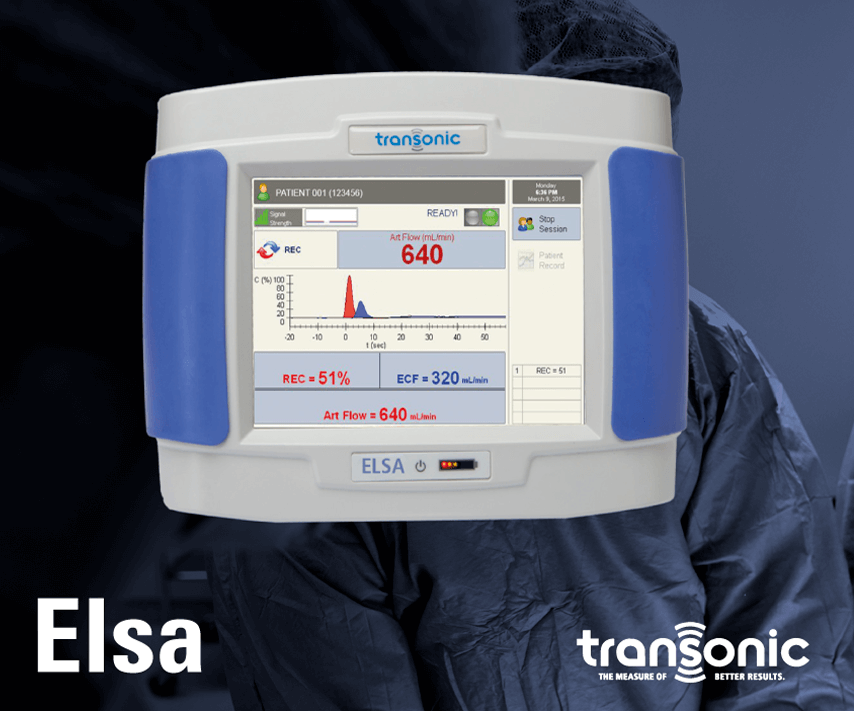
Recirculation is a common complication during veno-venous (VV) ECMO and knowing the signs of recirculation is key, but recirculation must be quantified to understand its effect on the patient. When recirculation is quantified, it can be controlled, and controlling recirculation can improve patient therapy, optimize oxygen delivery, and enhance success at weaning the patient off ECMO.
Measuring the amount of recirculation during ECMO can provide vital information about the patient’s health and the performance of the ECMO circuit.