
VA-ECMO as a support therapy in massive acute pulmonary embolism treated with catheter-directed thrombolysis

Abstract
Introduction: Acute pulmonary embolism (PE) leads to increased pulmonary vascular resistance and right ventricular afterload, resulting in right ventricular dysfunction (RVD). Stratification is crucial to early identify patients with elevated risk of hemodynamic collapse. Latest therapeutic options include percutaneous treatment such as pulmonary catheter thrombolysis. ECMO can support hemodynamic in high-risk or in rapid evolving intermediate-high-risk PE.
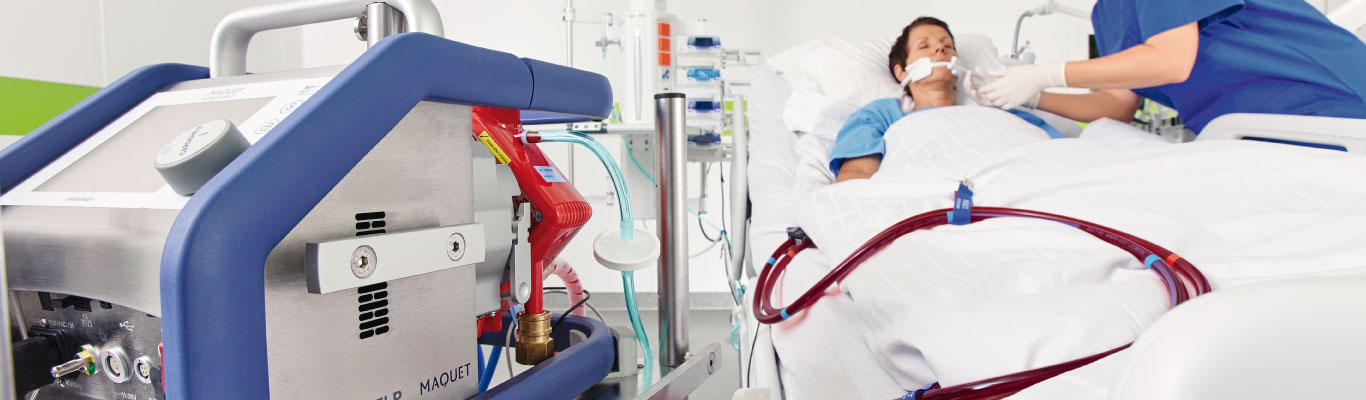
Methods: A 66-year-old female presented to our Emergency Department with acute dyspnea, severe hypoxemia and echocardiographic signs of RVD. Angio-CT demonstrated extensive bilateral pulmonary artery thromboses. Initially classified as intermediate-high risk (hemodynamic stability), she started high-dose parenteral anticoagulation without improvement. Catheter-directed thrombolysis with alteplase (rtPA) over 24 hours was performed after unsuccessful mechanical aspiration and lysis. At the end of the procedure, due to early signs of hemodynamic deterioration and severe hypoxemia (pO2/FiO2 36), a femoral-femoral venous-arterial ECMO (vaECMO) was initiated as support therapy with the patient awake. Echocardiography confirmed severe RVD (TAPSE 5 mm). Early ECMO performed in angiographic room allowed safe transfer to ICU, induction and intubation.
Results: PE underwent almost complete resolution after 24hours of rtPA. RVD recovered completely in 48 hours (TAPSE > 20 mm). Patient was safely decannulated on day 3 of vaECMO.
Conclusion: vaECMO seems safe in supporting hemodynamic in PE. Intermediate-high risk patients with elevated right-to-left intrapulmonary shunt may benefit from early ECMO support to prevent heart failure progression towards cardiac arrest and to safely perform high risk invasive procedure included intubation and mechanical ventilation which may have limited effectiveness on hypoxia but worsen RV function.